Natural Herbs
Sweet Rush (Al-Idhkhir)
Natural Stimulant & Digestive Herb
Sweet Rush (Al-Idhkhir) is a perennial aromatic herb known for its pleasant fragrance, often similar to the scent of roses. The plant grows between 30 to 60 cm in height and forms clustered grassy tufts commonly found in desert regions.
It is known by several names across the Arab world, including Camel Grass, Arabic Spike, Halfa Makkah, and Mahah in Yemen.
Origin & Distribution
Saudi Arabia is considered the primary natural habitat of Sweet Rush, although it also grows in several other countries. It is widely found across the deserts and regions of Hijaz, Najd, Al-Nafud, the Empty Quarter, and eastern and southern Saudi Arabia.
Chemical Components
The plant contains valuable volatile oils rich in:
– Geraniol
– Citral
– Sterol compounds
– Flavonoids
These compounds are commonly used in perfumes, soaps, and medicinal preparations.
Traditional & Medicinal Uses
Historically, Sweet Rush has been used in traditional medicine for centuries. Ancient Egyptians highly valued its fragrance, and references to the plant are found in Islamic heritage texts.
Health Benefits
– Natural stimulant
– Helps relieve gas and bloating
– Antispasmodic herb
– Supports digestive health
– Helps regulate menstrual cycles
– Useful for children’s colic
– Relieves stomach cramps
– Promotes sweating and urination
Traditionally used for rheumatism and muscle discomfort
Modern Herbal Uses
Modern herbal studies describe Sweet Rush as beneficial for digestive disorders caused by intestinal spasms and abdominal bloating. Its essential oil is also used externally for muscular pain and rheumatic discomfort.
The aromatic oil is widely used in:
– Luxury perfumes
– Herbal soaps
– Aromatherapy products
Important Note
Sweet Rush should be used in moderate amounts and under professional guidance, especially for pregnant women or individuals with chronic medical conditions.
Garden Cress (Lepidium sativum)
Garden cress, also known as Thafaa or Hab Al-Rashad, is a fast-growing annual herb traditionally valued in herbal medicine for its nutritional and therapeutic properties. It has been referenced in historical Islamic and traditional medical texts for centuries.
Botanical Description
Garden cress grows up to 40 cm tall with highly branched stems and small white flowers. Its seeds are tiny, smooth, and reddish-brown. All parts of the plant are considered useful.
Scientific Name: Lepidium sativum
Family: Brassicaceae (Cruciferae)
Native Habitat
The Middle East is considered the original home of garden cress, especially Syria and surrounding regions. It is also widely cultivated in Turkey and many other countries.
Nutritional & Chemical Components
Garden cress contains:
– Iron, phosphorus, calcium, potassium, iodine, manganese, and sulfur
– Vitamins A, B, C, and E
– Carotenoids and volatile oils
– Natural antibacterial compounds
It is especially rich in iodine and vitamin C.
Traditional Uses
Historically, garden cress was used to:
– Improve digestion and stimulate appetite
– Relieve cough, asthma, and chest congestion
– Promote urination and detoxification
– Support sexual vitality and energy
– Reduce joint pain and rheumatism
– Help dissolve kidney stones
– Strengthen hair and reduce hair loss
Ancient physicians such as Hippocrates, Galen, Ibn Sina, and other Arab herbal scholars documented its medicinal value.
Modern Herbal Benefits
Modern herbal medicine considers garden cress beneficial for:
– General body strengthening
– Anemia and fatigue
– Respiratory health
– Skin conditions and eczema
– Blood pressure regulation
– Immune support
– Hair nourishment
– Digestive and urinary health
Some studies also suggest antimicrobial and antioxidant properties.
Usage
Traditionally consumed as:
A warm herbal drink with honey
Powdered seeds mixed with milk or honey
Fresh leaves added to salads and soups
Important Note
Garden cress should be consumed in moderate amounts. Excessive intake may affect the thyroid gland due to certain active compounds.
It is generally not recommended during pregnancy unless advised by a healthcare professional.
Garden Cress (Lepidium sativum)
Garden cress, also known as Thafaa or Hab Al-Rashad, is a fast-growing annual herb traditionally valued in herbal medicine for its nutritional and therapeutic properties. It has been referenced in historical Islamic and traditional medical texts for centuries.
Botanical Description
Garden cress grows up to 40 cm tall with highly branched stems and small white flowers. Its seeds are tiny, smooth, and reddish-brown. All parts of the plant are considered useful.
Scientific Name
Family: Brassicaceae (Cruciferae)
Native Habitat
The Middle East is considered the original home of garden cress, especially Syria and surrounding regions. It is also widely cultivated in Turkey and many other countries.
Nutritional & Chemical Components
Garden cress contains:
Iron, phosphorus, calcium, potassium, iodine, manganese, and sulfur
Vitamins A, B, C, and E
Carotenoids and volatile oils
Natural antibacterial compounds
It is especially rich in iodine and vitamin C.
Traditional Uses
Historically, garden cress was used to:
Improve digestion and stimulate appetite
Relieve cough, asthma, and chest congestion
Promote urination and detoxification
Support sexual vitality and energy
Reduce joint pain and rheumatism
Help dissolve kidney stones
Strengthen hair and reduce hair loss
Ancient physicians such as Hippocrates, Galen, Ibn Sina, and other Arab herbal scholars documented its medicinal value.
Modern Herbal Benefits
Modern herbal medicine considers garden cress beneficial for:
General body strengthening
Anemia and fatigue
Respiratory health
Skin conditions and eczema
Blood pressure regulation
Immune support
Hair nourishment
Digestive and urinary health
Some studies also suggest antimicrobial and antioxidant properties.
Usage
Traditionally consumed as:
A warm herbal drink with honey
Powdered seeds mixed with milk or honey
Fresh leaves added to salads and soups
Important Note
Garden cress should be consumed in moderate amounts. Excessive intake may affect the thyroid gland due to certain active compounds. It is generally not recommended during pregnancy unless advised by a healthcare professional.
Salep (Orchis mascula)
Salep is a perennial herbaceous plant belonging to the orchid family. It is commonly known in Arabic by names such as “Fox Testicles” or “Dog Killer of His Brother”, a reference to the shape of its underground tubers rather than its true nature. Scientifically, it is known as Orchis mascula.
Botanical Description
Salep is a wild or cultivated orchid that grows up to about 60 cm in height. It has narrow leaves often marked with dark spots, and purple flowers. The plant develops two underground tubers—one larger than the other—which are the most distinctive feature of the plant.
The tubers are oval or elongated in shape, with a light brown outer layer and a creamy interior. They are the main part used medicinally.
Chemical Composition
Salep tubers contain:
– 40–50% mucilage (gel-like substances)
– 27–31% starch
– 13% dextrin
– Proteins (about 15%)
– Sugars (sucrose)
– Minerals, calcium oxalate, essential oils
Traditional & Medicinal Uses
Salep has been widely used in traditional medicine across the Middle East, Turkey, and Europe. It is known for:
– Treating diarrhea (especially in children)
– Soothing stomach and intestinal disorders
– Helping in dysentery cases
– Stopping gastric bleeding caused by ulcers
– Supporting recovery in tuberculosis patients
– Acting as a general tonic and nutritional supplement
It is also used as a gentle enema for intestinal cramps and inflammation.
Nutritional Value & Modern Use
Salep is highly nutritious due to its starch and mucilage content. It is commonly prepared as a thick hot drink mixed with milk, sugar, or honey.
Modern benefits include:
– Soothing digestive system irritation
– Supporting bone and tooth health in children (when mixed with milk)
– Boosting immunity
– Providing energy and nourishment during illness or weakness
It is also used in ice cream production to improve texture and thickness.
Preparation
A typical preparation includes:
– 1–2 teaspoons of salep powder
– Mixed with hot milk or water
– Sweetened with sugar or honey
– Taken 2–3 times daily
Important Note
Due to its high demand and cost, salep use has decreased in many regions today, although it remains a valued traditional remedy and nutritional drink in some cultures.
What is Calendula (Marigold), its benefits and harms?
Calendula, also known as pot marigold and scientifically as Calendula officinalis, is one of the most famous plants in the West. It belongs to the Asteraceae (composite) family. The part used medicinally is its beautiful orange flowers. The plant is originally native to southern Europe.
It is a herbaceous plant that grows in gardens and along roadsides. It reaches a height of 40–60 cm. Its leaves are oval-shaped, serrated at the edges, and covered with fine hairs. The flowers are yellow or orange in color.
Calendula contains terpenoid compounds, resins, bitter glycosides, essential oils, sterols, phenols, mucilage, and carotenoids.
Garden marigold is a perennial plant that grows up to about 60 cm in height and has bright orange flowers resembling chrysanthemums in structure.
Origin and distribution
Its original habitat is southern Europe, and it is cultivated in temperate regions around the world. It also grows naturally in gardens and along roadsides.
Parts used
The medicinal parts are the fully opened flowers and young fresh plant before flowering. The flowers have a strong, somewhat unpleasant odor.
Calendula is also known by other names such as Qawqahan, Zubaida, and Kahla. Scientifically, it is called Calendula officinalis from the Asteraceae family.
Chemical composition
The flowers and plant contain:
– 2–10% triterpene saponins
– Glycosides (A, B, C, D, E, Z types)
– Triterpene alcohols
– Flavonoids (0.03–0.08%), including isorhamnetin and – quercetin
– Carotenoids, mainly lutein and zeaxanthin
– Dihydroxycoumarins such as scopoletin, umbelliferone, and esculin
– About 0.2% essential oil, including faradiol
– Polysaccharides, mucilage, and resins
Traditional uses (Ancient medicine)
Calendula is one of the most well-known herbs in European herbal medicine. Its bright petals are considered excellent for treating inflamed and swollen skin due to their antiseptic and healing properties, helping prevent infection and speed recovery. The flowers are also used as a detoxifying and cleansing agent.
Ancient scholars described its uses:
Dawood Al-Antaki said it cleans the brain, chest, and internal organs, expels intestinal parasites and insects, helps in dissolving kidney stones, promotes urination, treats jaundice and spleen diseases, and is used externally for joint pain and skin conditions.
Ibn al-Baytar mentioned various traditional beliefs, including its effect on pregnancy, its ability to repel insects, induce vomiting when consumed in certain amounts, and treat various conditions such as headaches, skin diseases, and infertility.
Ibn Sina (Avicenna) described it as hot and dry in the third degree, strengthening the heart, useful for skin diseases, nerve pain, and as an antidote for poisons and insect bites.
It was also traditionally used to treat infected wounds and chronic ulcers.
Modern medical uses
Scientific research has shown that calendula has the following properties:
– Anti-inflammatory
– Antispasmodic (relieves muscle spasms)
– Astringent
Stops bleeding and promotes wound healing
– Antiseptic and detoxifying
– Mild estrogen-like activity
– Antifungal, antibacterial, and antiviral effects
– Strengthens capillaries, helping in wounds and – varicose veins
Medical applications
Calendula flowers are used to treat:
– Infected wounds and chronic ulcers
– Varicose vein ulcers and bed sores
– Skin infections and inflammation
– Cracked skin and nipples
– Fistulas and frostbite injuries
– Sunburn and skin rashes
A calendula ointment can be prepared by crushing fresh or dried flowers and mixing them with unsalted goat butter.
It is also used internally for:
– Digestive system inflammation
– Stomach, intestinal, and colon ulcers
– Liver and gallbladder cleansing
– Menstrual regulation and pain relief
– Vaginal infections (as a douche)
Additional uses
– Calendula oil is used as an antifungal and anti-inflammatory agent
– Flower extracts are used externally for skin conditions
– Used in gynecology for menstrual disorders and infections
– Helps in nervous anxiety and depression (a few drops added to bath water)
– Used in wound dressings for slow-healing ulcers
Pharmaceutical products
Calendula is available in several forms:
– Creams (7% and 10%)
– Ointments (4%)
– Eye solutions
– Tinctures
– Shampoo
Source note
Adapted from Al-Riyadh Newspaper
(Issue 12673, Monday 30 Dhu al-Hijjah 1423).
What is Ajwain (Calendula / Pot Marigold) and what are its benefits and harms?
Calendula officinalis, commonly known as pot marigold, is a plant from the Asteraceae (composite) family. It is one of the most widely used medicinal plants in Western herbal medicine. The part used is mainly its beautiful orange flowers. Its original habitat is Southern Europe.
It is a herbaceous plant that grows in gardens and along roadsides. The stem height ranges from 40 to 60 cm, and its leaves are oval with serrated edges and covered with fine hairs. The flowers are yellow or orange in color.
Chemical composition
The marigold plant contains:
– Terpenoid compounds
– Resinous substances
– Bitter glycosides
– Volatile oils
– Sterols
– Phenols
– Mucilage (gel-like substances)
– Carotenoids
Habitat and cultivation
Pot marigold is native to Southern Europe and is cultivated in temperate regions worldwide. It often grows naturally in gardens and along roadsides.
Used parts
The used parts are:
– Fresh flowers before full blooming
– Sometimes the whole fresh plant
The flowers have a strong and sometimes unpleasant odor.
Chemical constituents (details)
The flowers contain:
– 2–10% triterpene saponins
– Various glycosides (A, B, C, D, E, F forms)
– Flavonoids (0.03–0.08%) such as quercetin
– Carotenoids (especially lutein and zeaxanthin)
– Coumarins (e.g., scopoletin, esculetin)
– Volatile oil (~0.2%) including faradiol – Polysaccharides, mucilage, and resins
Traditional medicine (ancient use)
Calendula has been widely used in European herbal medicine for centuries. Its petals were used to treat:
– Inflamed and swollen skin
– Wounds and infections
– Detoxification of the body
What ancient physicians said:
Al-Damashqi: said it cleans the brain, chest, and internal organs, removes toxins, expels worms, helps in kidney stones, and treats inflammation.
Ibn al-Baytar: mentioned it may affect pregnancy if excessively handled, and that its smoke repels insects. It was used for skin diseases, pain relief, and infections.
Ibn Sina (Avicenna): described it as hot in the third degree and dry, useful for infections, toxins, ulcers, and joint pain.
Modern medicine findings
Scientific studies show that Calendula has:
– Anti-inflammatory effects
– Antispasmodic properties
– Astringent and wound-healing effects
– Antibacterial, antifungal, and antiviral activity
– Blood vessel constriction (helps in wounds and varicose veins)
– Detoxifying properties
– Mild estrogen-like effects
Medical uses today:
– Treating infected wounds and ulcers
– Varicose veins and bedsores
– Skin cracks (hands, nipples, feet)
– Burns and sunburn
– Skin infections and rashes
— Gastric and intestinal inflammation (ulcers, colitis)
– Liver and gallbladder cleansing
– Menstrual regulation and pain relief
– Vaginal infections (as washes)
Preparations and use
– Ointments made from flowers (with animal fat or plant oils)
– Herbal infusions (tea)
– Oils and creams (5–10 drops in bath water for relaxation)
– Compresses for wounds
– Vaginal washes for infections
Pharmaceutical forms
Calendula is available in:
– Creams (7%–10%)
– Ointments (about 4%)
– Eye solutions
– Tinctures
– Shampoos
Possible harms and precautions
Despite its benefits, Calendula may:
– Affect pregnancy and should be avoided during pregnancy
– Cause hormonal effects with long-term use
– Irritate sensitive stomachs in some cases
– Not be suitable for people with certain allergies
Summary
Calendula officinalis (pot marigold) is a powerful medicinal plant widely used for:
– Skin healing
– Anti-inflammatory treatment
– Digestive support
– Infection control
– Menstrual and hormonal balance
However, it should be used carefully, especially during pregnancy or long-term use.
Galangal (Small Galangal)
Small galangal is a perennial herbaceous plant that grows up to about two meters in height. It has large leaves and produces white and red flowers. It is distinguished by its pleasant aromatic smell and spicy taste.
There are several types of galangal, such as small galangal (also known as “Al-Ayni”), white galangal, and large or red galangal. Some other varieties are used only for decoration due to their beautiful flowers and evergreen appearance, while some are used in making paper, and others have edible stems that can be cooked.
Small galangal, scientifically known as Alpinia officinarum from the ginger family (Zingiberaceae), is the medicinal type.
The usable part of the plant is its rhizomes, which resemble those of the sedge plant. They are reddish in color and covered with large pale sheaths that leave marks when they fall off. The rhizomes have an aromatic fragrance.
Native habitat
Galangal originally comes from grassy regions of southern China and Southeast Asia. It is now cultivated in many tropical Asian regions as a spice and medicinal plant. It is usually propagated by dividing the rhizomes and replanting them in spring. The plant is harvested only after 4–6 years from planting and can be used fresh or dried.
Chemical constituents
Small galangal rhizomes contain 1–5% volatile oil. This oil includes compounds such as alpha-pinene, cineole, linalool, camphor, and methyl cinnamate. It also contains sesquiterpene lactones such as galangol and galangin.
Traditional medicine
Arabs have used galangal since ancient times. It was used to feed horses to increase their energy, and it was also boiled with milk to treat colds, coughs, and to enhance sexual strength.
Ibn Sina described it as twisted red and black pieces with a sharp taste and pleasant aroma, light in weight, brought from China. He noted that it is beneficial for the stomach, digestion, and gas relief, and helps in treating colic, kidney pain, and improves sexual vitality.
Modern medicine
Modern studies show that small galangal has antibacterial properties, including activity against anthrax bacteria. It has also been shown to have antifungal effects, particularly against Candida albicans. It is used as a digestive stimulant, carminative, anti-vomiting agent, and warming herb.
The recommended medicinal dose ranges from 0.5 to 1.5 grams per day.
For indigestion and stomach gas, one teaspoon of powdered rhizome is added to a cup of boiling water, left for ten minutes, then filtered and drunk once daily. It can also be inhaled as steam to relieve colds and nasal congestion.
Galangal is sometimes combined with ginger, pistachios, black seed, and honey as a tonic mixture to strengthen the body and improve memory and energy.
Difference between galangal and ginger
Although galangal and ginger belong to the same family (Zingiberaceae), they are completely different plants. Galangal belongs to the genus Alpinia, while ginger belongs to Zingiber. Both are rhizomes, but galangal mainly aids digestion and relieves gas, while ginger promotes sweating, improves blood circulation, and produces a warming effect.
Sidr Tree (Ziziphus spina-christi)
Allah تعالى says:
“And the companions of the right – what are the companions of the right? In lote trees with thorns removed and clustered bananas (or fruit in layers)” [Al-Waqi’ah: 28].
It is also mentioned in an authentic hadith narrated by Malik bin Sa’sa’ah that the Prophet Muhammad ﷺ saw the Sidrat al-Muntaha during the Night Journey, and its fruits were like the jars of Hajar, as reported by Al-Bukhari.
In an authentic hadith narrated by the six major hadith collections and Ahmad, the Prophet ﷺ said: “Wash him with water and sidr.”
Ibn Kathir reported from Qatadah that “sidr without thorns” refers to a blessed type of sidr tree that has no thorns, while worldly sidr is usually thorny and less fruitful.
Al-Hafiz Al-Dhahabi mentioned that washing with sidr cleans the head more than anything else, removes heat, and the Prophet ﷺ recommended it for washing the deceased. The fruit of sidr (nabq) is similar to hawthorn in taste, helps strengthen digestion, benefits the stomach, relieves diarrhea, reduces bile-related disorders, and improves appetite.
Ibn Al-Qayyim added that it helps with diarrhea, calms excess bile, nourishes the body, improves appetite, and benefits digestive disorders.
Botanical description
Sidr (Ziziphus spina-christi), also known as the “Holy Thorn,” is a spiny tree that grows wild and cultivated. It is native to the Arabian Peninsula and Yemen and is also found in Egypt and Mediterranean regions. It belongs to the Rhamnaceae family. Its fruit, called nabq, is sweet and aromatic.
The tree may reach over 5 meters in height. It has simple leaves with clear veins, yellowish-white flowers, and green fruits that turn yellow when ripe and red when dried. It is one of the oldest known trees, and according to tradition, its thorny branches were used in making the crown placed on the head of Jesus (peace be upon him), hence its scientific name.
Sidr has many local names such as arj, zigzag, zofzof, nabq, and others. It is widely distributed in Saudi Arabia and the Arabian Peninsula and is highly respected by local people.
Parts used
– Bark, leaves, fruits, and seeds.
Chemical composition
It contains flavonoids, tannins, sterols, triterpenes, saponins, and compounds such as leucocyanidin, as well as sugars like fructose, glucose, rhamnose, and sucrose.
Traditional uses
Sidr has been known for thousands of years. It is mentioned in the Qur’an as one of the trees of Paradise. It was also used in ancient Egyptian medicine for embalming.
According to traditional physicians such as Dawood Al-Antaki, sidr is useful for killing intestinal worms, opening blockages, removing gas, treating spleen and abdominal diseases, healing wounds, and improving skin and hair. Its juice with sugar relieves thirst and internal heat.
The fruit strengthens the stomach and helps digestion, especially when eaten before meals. It can also act as a mild laxative or astringent depending on its state.
Modern uses
Modern studies and traditional practices show that sidr is used for:
– Treating fever and throat infections
– Digestive disorders and stomach inflammation
– Skin diseases and wound healing
– Respiratory problems like asthma
– Hair care, as it strengthens and softens hair
Sidr leaves are commonly used in Saudi Arabia to wash hair, giving it shine and softness and helping treat dandruff.
The fruit is also used as a food and medicine, helping cleanse the digestive system, improve energy, and support overall health.
Arta Plant (Calligonum comosum)
Arta is one of the well-known plants in the Saudi environment. It has traditional folk uses and is included in several popular herbal preparations. Scientific studies have shown that it has effects against bacteria and some parasitic worms.
Common Names
Arta is known by several local names such as: Al-‘Abl, ‘Abli, Arta, Arta, Ramo, Rasma, and Taib.
Scientific Name
It is scientifically known as Calligonum comosum, belonging to the Polygonaceae (knotweed) family.
What is Arta?
Arta is a shrub-like plant ranging in height from about 1 to 3 meters. It has very few leaves, giving it a woody appearance. The plant produces beautiful reddish-pink flowers. Its fruit is flattened and covered with branched extensions.
Natural Habitat
Its original habitat is the Kingdom of Saudi Arabia, especially in northern Hejaz, eastern Najd, and the northern, eastern, and southern regions of the country.
Chemical Composition
All parts of the Arta plant contain flavonoids, alkaloids, sterols, triterpenes, anthraquinones, tannins, and coumarins. The Department of Pharmacognosy at the College of Pharmacy isolated several flavonoid compounds such as kaempferol, quercetin, isoquercitrin, procyanidins, violaxanthin, and neoxanthin.
The plant also contains saponins. During May and October, it produces high amounts of tannins (about 6.9%–10%). During this period, a sticky liquid exudes from the plant and accumulates beneath it, forming a substance similar to molasses or honey, brown to reddish in color, which people collect and use as a remedy for cough.
Traditional Uses
Arta has been used medicinally since ancient times. The ancient Egyptians used it about 4000 years ago. Its fruits were mentioned in medical prescriptions in the “Ebers Papyrus” for treating tremors in the body by boiling it with other herbs to make an ointment.
In the UAE, people mix its tender branches with rice, yogurt, or cook it with fish and rice to enhance flavor. Crushed fresh branches mixed with water are also drunk to treat stomach problems.
Women traditionally used dried stems, ground into powder, applied to the hair to give it a pleasant fragrance and attractive color.
In Saudi Arabia, Arta is used in tanning leather due to its high tannin content. It is also used for dyeing clothes by boiling dried branches and washing fabrics with the extract, giving them a milky color. The roots are boiled and used as a mouthwash for dental care. The flowers are also used as a source of protein.
Modern Scientific Findings
Research from the College of Pharmacy at King Saud University has shown that Arta extracts inhibit several bacteria, including:
– Staphylococcus aureus
– Proteus vulgaris
– Candida albicans
– Pseudomonas aeruginosa
Laboratory studies also showed that alcoholic extracts of Arta have a lethal effect on parasitic worms such as Fasciola gigantica and Ascaris.
It has shown stimulant and astringent properties, and preliminary studies suggest it may help lower blood sugar, although research is still ongoing.
Methods of Use
– Fresh young branches are cooked with rice, yogurt, or – fish for flavor and eaten.
– Crushed fresh shoots mixed with water are used for stomach ailments. – Dried plant powder can be mixed with Vaseline and used as an ointment.
The plant’s natural exudate can be consumed in small controlled amounts for cough relief.
Traditional Postpartum Use (Folk Remedy)
Arta and other astringent plants such as tannins from acacia bark are traditionally used after childbirth for tightening purposes. They are boiled and used as a wash for the external genital area or used as fumigation (smoke exposure), usually starting two weeks after delivery.
(Translated from Al-Riyadh newspaper)
Coconut Increases Vitality and Is Used to Treat Wounds and Skin Infections
The coconut plant is a tree belonging to the palm family, which includes about 200 genera and nearly 1,500 species. The name “coconut” is derived from the Portuguese word “coco,” meaning monkey, because the shell resembles a monkey’s head. In Turkey, coconut is known as “Nargil,” in Iran as “Baranj,” while Ibn Sina referred to it as the “Indian Walnut,” and the milk of its fruit was known as “Al-Atwaq.”
The coconut tree is evergreen and can reach a height of about 35 meters. Its leaves may grow up to 5 meters long and 1 to 1.5 meters wide.
Scientific name: Cocos nucifera
Parts used from the plant: the fruits and the fixed oil.
Native habitat:
Coconut originates from Indonesia, Ceylon (Sri Lanka), Malaysia, Mozambique, Mexico, and Java.
It usually grows in hot humid forests or warm semi-humid regions. The tree is long-lived and is often called the “Queen of Plants.” One tree may produce around 35 coconuts.
Chemical components of coconut fruits:
Coconut fruits contain fatty oils. The main fatty acids found in coconut oil include:
– Lauric acid: 45–50%
– Myristic acid: 13–20%
– Palmitic acid: 7–10%
– Caprylic acid: 5–10%
– Stearic, linoleic, and caproic acids
The fruits also contain 3–5% free fatty acids, as well as minerals such as phosphorus, calcium, iron, and potassium. In addition, they contain proteins and sugars, including about 80 grams of glucose and fructose.
What was said about coconut in traditional medicine?
Arabs knew coconut since ancient times and mentioned it in their writings and poetry.
Coconut, or Nargil, was widely used in traditional medicine. Dawood Al-Antaki wrote in his book “Al-Tadhkirah” that coconut benefits phlegm-related disorders, melancholy, insanity, obsessive thoughts, weakness of the liver, kidneys, and bladder, and abdominal ulcers. He also stated that it relieves lower back pain, hip pain, paralysis, facial paralysis, worms, and hemorrhoids, stimulates sexual vitality, and helps prevent urinary dribbling. Fresh coconut consumed with sugar was believed to strengthen the body and improve vitality. Its vinegar was said to aid digestion and tenderize meat, while the ash of its shell was used to whiten teeth and treat freckles, itching, and scabies. It was also believed to improve complexion and strengthen hair when mixed with henna.
Ibn Al-Baitar stated that coconut increases sexual vitality and semen production, warms the kidneys, and relieves chronic back pain. Coconut oil was considered one of the strongest oils for relieving gas, hemorrhoids, and joint pain.
Ibn Sina wrote that coconut contains moisture and that aged coconut oil benefits pain in the back and knees, although it is heavy on the stomach.
The ancient Egyptians were also familiar with coconut, calling it “Khamenen.” Archaeologists discovered coconut fruits in the tombs of Kahun and Dra Abu El-Naga. Evidence also suggests the existence of coconut trees in ancient Egyptian gardens in Aswan. Many scholars believe that Nubia was the original homeland of the coconut tree. Today, a coconut fruit is preserved in the Florence Museum under the name “A-catechu.”
What does modern medicine say about coconut?
Fresh white coconut containing sweet water has been found to increase vitality, warm the body, and help with urinary leakage. Coconut oil is widely used for treating wounds and skin infections. Internally, it is also used against colds and throat inflammations, especially when mixed with salt. In Central America, it has been used to treat tooth decay. In India, coconut oil is commonly used for coughs, bronchitis, and to reduce premature graying of hair.
Are there any side effects of coconut?
No significant side effects are known. However, coconut oil should be stored away from light, in a tightly sealed container, and at a temperature not exceeding 25°C.
Source: Al-Riyadh Newspaper, Monday 20 Sha’ban 1425 AH, Issue No. 13254, Year 40.
Nutmeg (Myristica fragrans)
Description of the Tree
Nutmeg has been known since ancient times, even before the Christian era. Its fruit was used as a spice to give food a pleasant aroma and flavor. Ancient Egyptians also used it as a remedy for stomach pain and as a carminative (to expel gas).
The nutmeg tree is an evergreen tree that grows to about 10 meters in height. Its fruit resembles a pear, and when it ripens, it develops a hard outer shell. This fruit is what is known as nutmeg. The tree is cultivated in tropical regions such as India, Indonesia, and Sri Lanka.
It belongs to the Myristicaceae family. Arab scholars knew it and used its seeds. The tree has alternate leaves with smooth edges and a whitish underside. The flowers are small, white, and grow in clusters. The fruit is fleshy and splits into two or four parts when mature.
Nutmeg is sometimes called the “Princess of tropical trees” because a single male tree can fertilize many female trees.
Harvesting and Processing
Nutmeg trees grow in tropical regions and reach about 10 meters in height, similar in appearance to pear trees.
Harvesting involves removing the outer shell and soaking the seed in salty water, then drying it. This preserves its aromatic properties for use as a spice and in medicinal and digestive preparations.
The seed is then gently heated and dried for about two months, after which it is extracted from its shell and sometimes coated with lime powder to protect it from decay and insects.
Commercial nutmeg is usually coated with lime, giving it a wrinkled appearance similar to a brain. It contains starch, proteins, and a strong aromatic oil that gives it its distinctive smell and taste.
Nutmeg is sold ground in small packets or used whole. It is best purchased whole and stored in a tightly sealed glass container.
Active Components
– Nutmeg contains a volatile oil that includes borneol and eugenol, along with fixed oils and starch.
– The seed (kernel) is the main part used, either whole or ground, and its essential oil can be extracted.
Medicinal Properties
– Nutmeg is a stimulant and carminative (relieves gas and bloating).
– Nutmeg oil is used in ointments for treating rheumatism.
– It is considered a strong sexual stimulant, but excessive use may lead to long-term weakness.
– Ground nutmeg is used to flavor sweets, digestive drinks, perfumes, and toothpaste.
Medical and Legal Considerations
Nutmeg (Myristica fragrans) is a widely used spice around the world. It has also been used for centuries in some parts of South Asia as a hallucinogenic substance.
Small doses may cause mild stimulation, while high doses (15–20 grams) can lead to hallucinations.
The active compound myristicin is responsible for its psychoactive effects, which may resemble those of amphetamines and mescaline.
Excessive consumption may cause:
– Tinnitus (ringing in the ears)
– Severe constipation
– Urinary retention
– Anxiety and tension
Central nervous system depression, which may be fatal in extreme cases
Religious and Legal Ruling
Nutmeg is considered an intoxicant. Most scholars regard it as forbidden due to the hadith:
“Whatever intoxicates in large amounts, a small amount of it is also forbidden.”
Some scholars allow very small quantities used as a spice if they do not cause intoxication.
Legal Status
Importing nutmeg alone is prohibited in Saudi Arabia. It is only allowed when mixed with other spices in small percentages (up to 20%) where separation is not possible.
Wormwood (Artemisia absinthium) – “Damsisa”
Damsisa is a plant that grows along roadsides and in wild desert areas, and it is also cultivated in temperate regions. It is a perennial herb reaching about one meter in height. The stem is greenish to gray, and the leaves are feather-like, serrated, and covered with fine white hairs. The flowers are compound and yellowish in color, and the plant has a strong aromatic smell.
It is known by several names such as absinthe, “sheeba,” and in ancient Pharaonic times it was called “Shanait.”
Scientifically, it is known as Artemisia absinthium, and the parts used are the leaves and flowers.
Origin and Distribution
The original homeland of the plant is Europe. Today, it grows in Central Asia and the eastern United States and is cultivated worldwide in temperate regions. It is propagated by seeds in spring or by root division in autumn. Leaves and flowers are harvested at the end of summer.
Chemical Composition
Damsisa contains about 0.3% volatile oil and fixed oils. One of its important components is “sujun,” which is believed to help in treating kidney colic, easing the expulsion of stones, and increasing urine output.
The essential oil also contains compounds such as abrotamine, beta-borbonene, sesquiterpene lactones (including artemisinin-related compounds), vitamin A, and the glycoside absinthin.
Traditional Medicine (Old Uses)
Ibn al-Baytar mentioned that absinthe is used to improve digestion, promote urination, and expel intestinal worms. It was also used in alcoholic herbal preparations named after it.
In ancient Egyptian and traditional medicine, it was used to dissolve kidney stones and treat uterine tumors in the form of suppositories.
It was also historically used as a key ingredient in the alcoholic drink “vermouth,” from which the German word “absinth” is derived. It was used to purify many beverages due to its bitter nature.
It is considered a strong bitter herb that stimulates the digestive system, especially the stomach and gallbladder.
Modern Medicine
Modern research has confirmed that the bitter compounds in damsisa stimulate taste receptors in the mouth, which triggers digestive secretions and improves digestion.
Some compounds have anti-inflammatory properties
Sesquiterpene lactones may have anti-tumor effects
The plant has insecticidal properties
Thujone stimulates the brain but is toxic in high doses
Damsisa is beneficial for weak digestion as it increases stomach acid and bile secretion, improving nutrient absorption. It may help in cases of anemia, bloating, and gas. Regular use is said to gradually strengthen digestion and restore vitality after long illness.
It is also known for its anti-worm properties and mild antidepressant effects. It has been used alongside other herbs as a fever reducer and blood tonic.
External Uses
Externally, it is used as compresses to relieve severe stomach pain, bile-related pain, nervous digestive disorders, and liver-related skin rashes and itching.
Other Related Plants
Related species include:
Qaysum
Chinese wormwood
Eastern wormwood
Tarragon
Dosage
A common dose is one spoon of dried powder per cup of boiling water. It is left for five minutes, then filtered and drunk.
Additional Notes
Some research suggests that damsisa may help control parasites such as schistosomiasis (bilharzia) by killing the snails that carry the disease. It has also been studied for mosquito control and environmental pest management.
However, the plant contains toxic compounds, and excessive use may cause serious side effects, including neurological symptoms. Therefore, it must be used carefully and in controlled doses.
Rue (Ruta graveolens) – “Sudab / Fayjan / Haza / Khift”
Rue is a perennial herb known by several Arabic names such as sudab, fayjan, haza, fijl, and khift. It is scientifically known as Ruta graveolens, and another species found in Saudi Arabia is Ruta chalepensis. The plant contains terpenes, volatile oils, rutin, vitamin B, esters, and alcohol compounds.
It is used—under specialist supervision—for blood disorders, as a diuretic, antispasmodic, anti-vomiting agent, carminative (gas relief), vermifuge (expels intestinal worms), insect repellent, emmenagogue (stimulates menstruation), and abortifacient.
Botanical Description
Rue is a perennial herb growing between 50–100 cm tall. It has a woody stem with many branches carrying dense blue-green leaves. The leaves are compound and the branches end in clusters of small yellow flowers. The fruit is capsule-shaped.
Distribution
It is native to Bulgaria, Italy, southern France, Spain, and the southern Alps. Today it is cultivated in many parts of the world and grows in mountainous regions, valleys, roadsides, and near homes, especially in Saudi Arabia’s Sarawat region.
Chemical Composition
Rue leaves contain volatile yellow-green oil, flavonoids (especially rutin), bergapten, xanthotoxin, and artemodin acid. It also contains alkaloids such as skimmianine, gamma-fagarine, dictamine, arborinine, and graveolinine, as well as coumarins and furocoumarins.
Traditional Medicine (Classical Views)
Ancient physicians such as Ibn al-Baytar and Dawood Al-Antaki described rue as a hot and dry herb with strong medicinal properties. It was used for:
– Treating epilepsy and mental disorders
– Relieving paralysis and facial palsy
– Treating digestive disorders, gas, and colic
– Expelling worms and kidney stones
– Treating respiratory and uterine diseases
– Relieving skin diseases, warts, and pigmentation
It was also used in oils and ointments for ear pain, headaches, joint pain, and rheumatism.
Modern Uses and Effects
Rue has been used in traditional medicine as:
– Digestive stimulant and gas reliever
– Mild sedative and antispasmodic
– Treatment for intestinal worms
– Anti-inflammatory and antimicrobial agent
– Insect repellent
It has also been used externally for skin conditions, joint pain, and infections.
Fertility and Safety Concerns
Rue is known to have strong effects on the reproductive system:
– It may stimulate menstruation
– It can act as an abortifacient (causing miscarriage)
– It may be used traditionally as a contraceptive
⚠️ Because of this, it is strictly contraindicated during pregnancy and breastfeeding.
Side Effects and Toxicity
Excessive use of rue can cause serious side effects, including:
– Vomiting
– Liver damage
– Depression
– Sleep disturbances
– Dizziness and hallucinations
– Severe poisoning in high doses
Therefore, it should only be used in controlled medicinal doses and not for long periods.
Traditional and Folk Uses
Rue has also been used in folk medicine for spiritual and traditional practices, including treatment of what is described as “possession” or “magic-related illnesses” in traditional beliefs. However, these uses are not scientifically validated.
Preparation and Dosage (Traditional)
About 0.5–1 gram of dried powder per cup of boiling water
One small spoonful per day in some traditional prescriptions
Must be used carefully and for short periods only
Important Warning
Rue is a powerful medicinal plant but also potentially toxic. It should not be used by pregnant women, children, or without medical supervision.
Deadly Nightshade (Atropa belladonna) – “Set Al-Hasan / Belladonna”
The plant known as Set Al-Hasan is a shrub that grows up to about 1.5 meters in height. It has large oval-shaped leaves, funnel-shaped bell-like flowers ranging in color from greenish to violet, and black berry-like fruits. It is an evergreen plant.
Scientific Name
The plant is commonly known as Belladonna and scientifically classified as Atropa belladonna, belonging to the Solanaceae (nightshade) family. Its roots are kidney-shaped and brown in color.
Parts Used
The medicinal parts of the plant are:
Leaves
Stems
Roots
Habitat and Distribution
Its original habitat is Europe, Western Asia, and North Africa. It grows widely in limestone soils in Egypt, America, and Asia. The leaves are harvested in summer, while the roots are collected from the second year onward in autumn.
Chemical Composition
Belladonna contains tropane alkaloids in the roots, leaves, and stems. The most important compounds include:
Hyoscyamine
Atropine
Small amounts of Hyoscine
It also contains flavonoids, coumarins, and volatile bases that have properties similar to nicotine.
Traditional Medicine (Historical Uses)
In traditional medicine, Belladonna was believed to have been used by Italian women to dilate their pupils, making their eyes appear more attractive.
Historically, it was also used to:
Relax the stomach and intestines
Relieve intestinal cramps and pain
Treat digestive ulcers by reducing stomach acid secretion
Relax urinary tract spasms
Treat Parkinson’s disease symptoms such as tremors and stiffness
Modern Medicine Uses
Modern science has shown that Belladonna alkaloids inhibit the parasympathetic nervous system, which controls involuntary body functions. This leads to:
Reduced saliva, sweat, and digestive secretions
Increased heart rate
Dilated pupils
Muscle relaxation, especially smooth muscles
Reduced sweating
Atropine, one of its key compounds, is widely used in eye clinics to dilate the pupil during medical examinations.
Medical Applications
Belladonna derivatives are used in pharmaceutical industries for:
– Nervous system disorders
– Respiratory diseases
– Asthma and whooping cough
– Intestinal and abdominal cramps
– Parkinson’s disease symptom relief
It is also used externally in patches for pain relief in muscles, joints, skin, and digestive system disorders.
Side Effects and Toxicity
High doses of Belladonna may cause unwanted and dangerous effects, including:
– Dry mouth
– Increased body temperature
– Dizziness and confusion
– Rapid heartbeat
– Nervous system disturbances
For this reason, it must only be used under strict medical supervision. Several pharmaceutical products containing its compounds are available in pharmacies for eye and digestive conditions.
Important Warning
If taken in large doses, Belladonna can be toxic. It should only be used under the supervision of a qualified healthcare professional.
The toothbrush tree, known in Arabic as Al-Arak or Miswak, is highly regarded in Islamic tradition. In the authentic Hadith collections of Sahih al-Bukhari and Sahih Muslim, the Prophet Muhammad said:
“Had it not been difficult for my nation, I would have commanded them to use the siwak before every prayer.”
It is also reported that he used the siwak frequently, especially before prayer and upon waking during the night. Another famous narration states:
“The siwak purifies the mouth and pleases the Lord.”
The best siwak is traditionally made from the wood and roots of the Arak tree.
Description of the Arak Tree
The Arak tree, scientifically known as Salvadora persica, belongs to the Salvadoraceae family. It is an evergreen shrub or small tree that usually grows up to four meters high. Its branches are soft and drooping, with bright green leaves, small white flowers, and clustered fruits that change color from green to red and finally dark purple or black when ripe. The fruits are called Kabath and are edible.
The roots of the tree are the main part used for making siwak sticks. These roots contain dense, soft fibers that naturally function like a toothbrush.
The Arak tree grows widely in parts of Saudi Arabia, especially in Jazan, Najran, and the Hijaz region.
Importance of Oral Hygiene
The mouth is considered the gateway to the body. Poor oral hygiene can affect the digestive system, respiratory system, and overall health. Scientific research has shown that bacterial plaque forms quickly on teeth and contributes to tooth decay and gum disease.
Frequent use of the siwak helps remove plaque naturally, which aligns remarkably with the Prophet’s recommendation to use it regularly throughout the day.
How Siwak Is Used
A fresh siwak stick is cut at one end and softened by chewing until brush-like fibers appear. It is then used gently on the teeth and gums. Once the fibers wear out, the used portion is cut off and a fresh section is prepared.
Modern holders and pens for siwak are now available to keep it fresh and portable.
Traditional Opinions About Siwak
Classical scholars praised the Arak siwak greatly. It was said to:
– Improve speech clarity
– Freshen the breath
– Strengthen the gums
– Improve appetite
– Clean the mouth
– Help maintain oral health
In traditional Arabian culture, even elderly people without teeth continued using siwak to maintain oral cleanliness and follow the Sunnah.
Chemical Components of Arak
The roots of the Arak tree contain several beneficial compounds, including:
– Fluoride
– Silica
– Chlorides
– Sulfur compounds
– Vitamin C
– Tannins
– Flavonoids
– Saponins
– Sterols
These substances contribute to oral hygiene and antibacterial effects.
Scientifically Proven Benefits
Research has shown that siwak:
– Inhibits bacterial growth in the mouth
– Helps reduce acidity that encourages bacterial growth
– Strengthens gum blood vessels due to Vitamin C
– Whitens teeth naturally because of silica and fluoride
– Cleans teeth and gums effectively
– The fruits of the Arak tree are also traditionally used to support digestion and relieve phlegm.
Modern Uses
Today, extracts from Arak are included in many commercial toothpastes and oral care products because of their natural antibacterial and cleansing properties.
The siwak remains one of the oldest and most respected natural tools for oral hygiene, combining traditional practice with scientifically recognized benefits.
Burdock, scientifically known as Arctium lappa, is a biennial plant that grows up to about 1.5 meters in height. It has oval leaves curved inward and reddish flower heads. Its root is covered with a brownish-white bark and has a spongy texture that becomes hard after drying.
Scientific Classification
Scientific name: Arctium lappa
Common names: Burdock
Usable parts: Leaves, roots, and fruits containing seeds
Origin and Distribution
Burdock is native to Europe and Asia but now grows throughout temperate regions worldwide, including the United States and China. Related species include:
– Arctium minus (small burdock)
– Arctium tomentosum (woolly burdock)
Both are used similarly in herbal medicine.
Chemical Constituents
Burdock contains several active compounds, including:
– Bitter glycosides, especially arctiopicrin
– Flavonoids such as arctiin
– Tannins
– Volatile oils
– Polyacetylenes
– Sesquiterpenes
– Inulin
Burdock in Traditional Medicine
In both Western and Chinese herbal traditions, burdock was considered one of the most important detoxifying herbs. Traditionally it was used for:
– Gout
– Fever
– Kidney stones
– Skin diseases
– Rheumatism
– Digestive disorders
During the Middle Ages and later centuries, herbalists recommended burdock for conditions such as eczema, psoriasis, acne, ulcers, infections, and inflammatory diseases.
Traditional Chinese and Indian physicians also used it to treat colds, throat infections, and pneumonia.
Some European herbalists even used burdock-infused preparations for skin disorders and chronic illnesses.
Burdock in Modern Research
Modern studies have identified polyacetylene compounds in burdock that may possess antibacterial and antifungal activity. Japanese research in the 1960s suggested that fresh burdock roots may have:
– Antimicrobial effects
– Mild diuretic properties
– Blood sugar-lowering activity
* Possible anti-tumor effects
Research has also examined compounds such as arctigenin, which has shown laboratory activity related to tumor growth inhibition.
Some studies suggested antioxidant and detoxifying effects, though more clinical evidence is still needed.
Traditional Preparation
A common herbal preparation involves:
– Adding one teaspoon of powdered burdock root to one cup of water
– Letting it steep for about 30 minutes
– Drinking up to three cups daily
Warnings and Precautions
– Burdock should not be given to children under two years old.
– Pregnant women should avoid burdock because it may stimulate the uterus.
– Herbal remedies should be used cautiously and under professional guidance, especially for chronic diseases or serious conditions.
Note About Confusion With Other Herbs
The text also mentions another plant called Artemisia absinthium (wormwood/absinthe), which is different from true burdock.
Wormwood has distinct medicinal properties and contains compounds such as thujone, which may be toxic in high amounts.
Ginseng, often called the “root of life,” is one of the world’s most famous medicinal herbs. Scientists have studied its possible effects on blood sugar control and overall health. Research has suggested that taking ginseng before meals may help reduce blood glucose levels in some people.
A Canadian study led by Dr. Vladimir Vuksan found that participants who consumed about 3 grams of ginseng before a meal experienced a reduction in blood sugar levels. Researchers suggested that controlling blood sugar after meals may help in diabetes management and prevention. However, experts emphasized that more long-term studies are needed before recommending ginseng as a substitute for medical treatment.
What Is Ginseng?
Ginseng belongs mainly to the genus Panax, and several types are commonly used, including:
– Asian ginseng
– Korean ginseng
– Chinese ginseng
– American ginseng
– Japanese ginseng
– Siberian ginseng
The plant has been used for more than 2,000 years in traditional Chinese, Korean, and Japanese medicine.
Description of the Plant
The medicinal part of ginseng is mainly the root. It is available in different forms:
– Fresh roots
– Dried roots
– Tea bags
– Syrups
– Capsules
– Extracts
The plant may live for over 100 years, and roots are usually harvested every 6–7 years.
Traditional Uses
Traditionally, ginseng has been used as:
– A general tonic
– An energy booster
– An appetite stimulant
– A remedy for fatigue and weakness
– A memory and concentration enhancer
– A support for digestive problems
– A remedy for insomnia, headaches, and colds
– A traditional aid for sexual weakness
Athletes have also used ginseng to improve stamina and reduce fatigue during exercise.
Modern Research
Laboratory and clinical studies have explored several possible effects of ginseng, including:
– Lowering blood sugar levels
– Supporting immune function
– Improving circulation
– Supporting liver function
– Helping hemoglobin formation
– Supporting cardiovascular health
– Improving concentration and memory
Some research also suggests antioxidant and anti-inflammatory properties.
However, many traditional claims still require stronger scientific evidence.
Precautions and Warnings
Ginseng should be used carefully because it may interact with medications and affect body systems.
Avoid or use only under medical supervision if:
– Pregnant or breastfeeding
– Under puberty age
– Taking insulin or diabetes medications
– Taking antidepressants, especially MAO inhibitors
– Having heart disease or blood pressure disorders
– Taking steroid medications
Possible Interactions
Avoid combining ginseng with excessive caffeine such as:
– Coffee
– Tea
– Cola drinks
– Energy drinks
because this may increase nervousness or overstimulation.
Recommended Dosage
Traditional dosage recommendations include:
– 0.5–2 grams of dried root daily
or
* 200–600 mg of ginseng extract daily
It is commonly recommended for short-term use only, usually no longer than 6–8 weeks continuously.
Important Safety Note
Some commercial “weight gain” products marketed as ginseng supplements were found to contain dangerous hidden substances, including steroids and other harmful chemicals. Health authorities warned against using unregistered products without official approval.
For safety:
– Buy only registered and trusted products
– Follow dosage instructions carefully
– Do not exceed recommended amounts
– Consult a healthcare professional before use
While ginseng remains one of the most respected traditional herbs worldwide, it should not replace prescribed medical treatment, especially for conditions such as diabetes or heart disease.
Damiana (Turnera diffusa) is a small perennial shrub that grows up to about 2 meters in height. It has green, mint-like leaves with serrated edges and beautiful small yellow flowers. The plant is commonly known as Damiana, and in Arabic it is sometimes called “Al-Damiana”.
Scientific Classification
Scientific name: Turnera diffusa
Common name: Damiana
Family: Turneraceae
Origin and Distribution
Damiana is native to:
– The Gulf of Mexico
– Southern California
– Northern Caribbean islands
– Namibia
It is also cultivated in warm, humid climates and is usually grown from seeds in spring.
Part Used
The medicinal part of the plant is the leaves, which are collected during the summer when the plant is flowering.
Chemical Composition
Damiana leaves contain several active compounds, including:
– About 70% arbutin
– Around 0.5% volatile oils (including thymol and delta-cadinene)
– Saponin-like glycosides (such as tetraphyllin)
– Resins and gums
Traditional Uses
Historically, Damiana was used by the Mayan civilization in Central America as:
– A general tonic
– A stimulant for physical and sexual vitality
– A remedy for mild depression and stress
In the 19th century, it became popular in North America as a herbal sexual tonic, often prepared as alcoholic extracts.
Traditional herbal medicine has also used Damiana for:
– Fatigue and weakness
– Mild depression
– Digestive problems (such as constipation)
– Cough and asthma
– Kidney and urinary tract issues
– Menstrual disorders
Modern Research
Some studies suggest that Damiana may:
– Help improve physical energy and reduce fatigue
– Support nervous system function
– Have mild antidepressant effects
– Support reproductive health in both men and women
It is sometimes considered a mild aphrodisiac (“male tonic herb”), although scientific evidence is still limited.
Uses in Traditional Preparation
A common method of preparation:
– Add 1 teaspoon of dried crushed leaves to a cup of boiling water
– Leave for 5–10 minutes
– Strain and drink 1–3 times daily depending on use
Safety and Precautions
– Very high doses (around 200 grams, which is excessive) may cause spasms or side effects
– It may interact with blood sugar–lowering medications, so diabetic patients should be careful
– Generally considered safe in moderate amounts
– Avoid excessive use without medical supervision
Summary
Damiana is a traditional medicinal herb widely used for:
– Energy boosting
– Mild depression
– Digestive support
– Urinary tract health
– Sexual vitality support
However, like all herbal remedies, it should be used responsibly and not as a replacement for prescribed medical treatments.
Description of the Plant
Al-Saad is a perennial herb with a long, thin underground rhizome. This rhizome forms swollen nodes that develop into tubers rich in chemical compounds. From it grow grass-like green leaves that are long, narrow, and sheathed at the base.
At the top of the stems, small flower spikes appear in clusters, usually emerging from one point and surrounded by three large bracts. The flower spikes are brownish to reddish in color.
Scientific Classification
Scientific name: Cyperus rotundus
Family: Cyperaceae
Common names: Saad, Cypri grass, Nut grass
Habitat and Distribution
– Found naturally in most regions of the world
– In Saudi Arabia, it is widely distributed, especially in Tihama, where high-quality varieties are found
– It grows in sandy and humid soils and spreads rapidly
Plant Parts Used
The medicinal part is the tuberous rhizomes, which are aromatic and contain active chemical substances.
Chemical Composition
The rhizomes contain:
– Volatile oils with a camphor-like aroma
– Fixed oils
– Sugars (glucose and fructose)
– Starch (storage material)
– Alkaloids and glycosides
– Tannins
– Vitamin C
– Bitter compounds
– Around 30 different chemical components in the essential oil
Traditional Uses
Historically, Al-Saad has been widely used in ancient medicine systems:
– Treating abdominal pain and intestinal worms
– Reducing fever
– Relieving urinary problems
– Treating nerve pain and muscle cramps
– Improving digestion and appetite
– Used as incense and for fragrance
Ancient Egyptian medical texts (Ebers Papyrus) mentioned it in formulations for:
– Pain relief
– Digestive disorders
– Urinary issues
– Skin conditions
Uses in Folk Medicine
Traditional herbal medicine used it for:
– Digestive disorders and bloating
– Constipation or diarrhea (depending on preparation)
– Menstrual regulation
– Stress and nervous tension
– Skin infections and wounds (as poultice)
– Increasing appetite
It was also used as a bitter tonic and diuretic.
Modern Research Insights
Modern studies suggest that Al-Saad may have:
– Antispasmodic effects (relieves cramps)
– Digestive support properties
– Mild sedative effects
– Antimicrobial activity (against some microbes)
– Potential effects on hormonal and menstrual regulation
Some extracts are also used in formulations for:
– Digestive disorders
– Nausea and dizziness
– Bloating and intestinal discomfort
Safety and Dosage
– Typical safe dosage: 6–9 grams per day (tuber form)
– Should be stored in a cool, dry place away from insects
– Excessive use may cause unwanted effects
– Use should be moderate and preferably under guidance for medicinal purposes
Summary
Al-Saad (Cyperus rotundus) is a widely distributed medicinal herb known for its aromatic tubers. It has been used for centuries in traditional medicine for digestive issues, pain relief, urinary health, and menstrual regulation. Modern research supports some of its antimicrobial and antispasmodic properties, but it should be used carefully and in controlled amounts.ized for frequently asked questions (FAQs).
Black Seed (Nigella Sativa) – Benefits, Uses, and Prophetic Traditions
1- The Messenger of Allah (peace be upon him) said: “In black seed is a cure for every disease except death.” It was narrated by Al-Bukhari in his Sahih (Book of Medicine), Muslim in his Sahih (Book of Medicine), Al-Tirmidhi, Abu Nu’aym in Al-Tibb Al-Nabawi, Ibn Majah in his Sunan, and Ahmad in his Musnad, all from Abu Hurairah (may Allah be pleased with him).
2- Al-Nasa’i and Ibn Majah narrated from Ibn Umar (may Allah be pleased with them both) that the Prophet (peace be upon him) said: “Use this black seed, for it contains a cure for every disease except death.”
3- “Shoneez (black seed) is a remedy for every disease except death.” Narrated by Ibn al-Sunni and Abu Nu’aym from Buraidah (may Allah be pleased with him).
4- “Shoneez is a cure for every disease except death.” Narrated by Al-Tirmidhi from Qatadah from Abu Hurairah.
5- Anas ibn Malik reported that the Prophet (peace be upon him), when he became ill, would take a handful of shoneez (black seed) and drink it with water and honey. (Narrated by Al-Tabarani; chain includes a weak narrator).
What is Black Seed?
Black seed is a plant that grows annually in the Mediterranean region and is cultivated in many areas of North Africa, Asia, and the Arabian Peninsula.
Scientific name: Nigella sativa
It is a short plant (about 3 mm), belonging to the same family as fennel and anise. Its seed capsule contains small black seeds.
Other Names:
– Black cumin
– Black caraway
– Kalonji (India)
– Shoneez (Persia)
Chemical Composition
Black seed contains:
– Fixed oil (35%) rich in fatty acids
– Volatile oil (1.5%) containing thymoquinone (main active compound)
– Vitamins (B, E)
– Minerals (iron, calcium, phosphorus)
– Antioxidant compounds (Nigellone)
Traditional Medicine Uses
In ancient medicine:
– Used for digestive disorders
– Headaches and colds
– Expelling intestinal worms
– Increasing appetite
– Treating respiratory problems
– Improving menstrual disorders
– Enhancing general strength and vitality
Modern Scientific Findings
Studies have shown:
– immune system stimulation
– Anti-bacterial and anti-fungal effects
– Anti-inflammatory properties
– Possible anti-cancer effects
– Blood sugar reduction in experimental studies
– Bronchodilator effect (helpful in asthma)
– Antioxidant activity protecting cells from damage
Medical Uses
Black seed may help in:
– Boosting immunity
– Increasing milk production in breastfeeding mothers
– Improving digestion
– Reducing mild asthma symptoms
– Supporting energy levels
– Helping in skin and hair conditions
Important Warnings
– Not recommended for pregnant women
– Not suitable for infants
– May interact with diabetes medication and blood thinners
– Should not be used excessively or continuously for long periods
– Recommended dosage is usually about 1–2 grams daily or as advised medically
Final Note from Medical Sources
Although many traditional claims exist, most modern studies are still preliminary, and more clinical research is needed before confirming all claimed benefits. Black seed should be considered a supportive natural supplement, not a replacement for medical treatment.
Corn (Zea mays) – Medicinal Uses and Health Benefits
Corn is a herbaceous plant considered one of the most important agricultural crops. It was not known in ancient Arab medicine and is not mentioned in early Arabic medical texts.
Scientific name: Zea mays (from the grass family)
Common Names Around the World
– Syria: Yellow corn
– Egypt: Shami corn
– USA: Corn
– UK: Wheat (historically used term)
– Netherlands: Turkish wheat
– France: Spanish corn
– Turkey: Turkish corn
– Africa: Milling grain
– Some regions in Saudi Arabia: Habash / Hind
Origin and History
Corn originally comes from South America, especially the Andes region, dating back around 4000 years.
It was widely used by ancient civilizations such as:
– The Inca in Peru
– The Maya and Aztec civilizations
European explorers, including Christopher Columbus, introduced corn to Europe, where it first spread through Spain and later to France and the rest of the world.
Medicinal Parts of the Plant
1- Corn grains (seeds)
2- Corn silk (corn hairs / Cornsilk) – the most medically important part
3- Corn germ (embryo of the seed)
Chemical Composition
Corn grains contain:
– Starch
– Protein
– Fixed oil
– Minerals
– Carotenoids
– Vitamins A, B, E
– Sterols
Corn germ contains:
– High amounts of oil (corn oil)
– Protein
– Minerals
Corn silk contains:
– Flavonoids (especially Maysin)
– Alkaloids
– Saponins
– Volatile oils
– Vitamin K and C
– Potassium
– Tannins
– Bitter compounds
Traditional Uses
Native Americans used corn in traditional medicine:
– Crushed fresh corn applied to boils and bruises
– Used to reduce swelling and inflammation
Modern Medical Benefits (Corn Silk)
Scientific studies have shown that corn silk:
– Lowers blood pressure
– Acts as a natural diuretic (increases urine output)
– Supports liver function by stimulating bile secretion
– Soothes urinary tract irritation and burning sensation
– Improves urine flow and reduces urinary blockage
– Helps in prostate enlargement-related urinary problems
– May help prevent kidney stone formation
– Reduces symptoms associated with bladder disorders
It is also considered:
– A mild heart tonic
– A digestive relaxant
Corn Oil Benefits
Corn germ oil is used for:
– Lowering cholesterol levels
– Helping manage high blood pressure
– Reducing risk of cardiovascular disease
– Taken orally in small doses before meals in some traditional practices
Other Uses
– Corn starch is used as a nutritional supplement
– Used in treating intestinal infections in children
– Acts as a soothing and protective agent for the digestive system
Side Effects
– Generally safe when used properly
– No significant side effects reported in normal medicinal use
– Excessive use is not recommended without medical guidance
Summary
Corn, especially corn silk, is considered a natural medicinal substance that helps:
– Urinary system health
– Blood pressure regulation
– Kidney and bladder support
– Liver and digestive function
Sandarac (Sundaros) – Antibacterial Properties and Traditional Uses
Sandarac (Sundaros) is a resinous substance that resembles gum, secreted from the branches of a plant and concentrated in the bark of the twigs. The plant is a shrub with opposite leaves that curve downward at the tips, and flowers that grow at the ends of branches. There are male and female plants, with the female flowers being smaller than the male ones.
Scientific name: Tetraclinis articulata
Natural habitat: North Africa, especially Morocco and Algeria.
Chemical Composition
Sandarac resin contains:
About 95% diterpene acids, including:
– Baimaric acid
– Calitrolic acid
– Sandaracenic acid
– Sandaracinolic acid
– Sandaracollic acid
– Calitryzinic acid
– Bitter substances
Volatile oil (~1.3%) containing compounds such as:
– α-pinene
– Limonene
– Thymoquinone
Traditional Medicine (Herbal Medicine)
Ancient physicians described Sandarac as having many medicinal uses:
– Drying nasal congestion and respiratory secretions
– Relieving asthma and chest pain
– Treating spleen disorders
– Relieving nerve pain
– Stopping bleeding
– Treating diarrhea
– Relieving tooth pain and gum infections
– Healing skin cracks and wounds
– Treating hemorrhoids and fistulas
– Helping with chronic skin diseases
Used in fumigation to relieve colds and nasal infections
It was also traditionally used:
– To strengthen muscles and stamina (by athletes and wrestlers)
– To reduce body weight when taken with certain drinks
Traditional Warnings
Classical sources warned that:
– Excessive use may cause side effects
– High doses (around 300 grams daily in divided doses as mentioned in old texts) can be harmful
– It should not be used carelessly
– In some traditional preparations, it was even considered dangerous for pregnant women due to strong effects
Views of Classical Physicians
Ibn Sina (Avicenna):
Mentioned its ability to stop bleeding, strengthen the body, relieve tooth pain, improve vision when used externally, and help in respiratory conditions.
Ibn Al-Baytar:
Described its use in drying nasal discharge, treating infections, and stopping bleeding.
Al-Anṭaki:
Expanded its uses to include respiratory diseases, digestive issues, skin conditions, and nerve pain.
Modern Medical Perspective
Modern studies suggest that Sandarac resin:
– Has antibacterial properties
– May help reduce inflammation
– Its smoke has been traditionally used to relieve:
1- Rheumatism
2- Gout
3- Some types of edema
However:
– Clinical evidence in humans is still limited
– Most data comes from traditional use or laboratory observations
Important Note
Sandarac is not similar to:
– Frankincense (Al-Azraq / Olibanum)
– Myrrh (Mur)
– Asafoetida (Hiltit)
Each has different chemical composition and different medical effects.
Kohl (Ithmid) in Islamic Tradition and Medicine
It is narrated from Abdullah ibn Abbas (may Allah be pleased with him) that the Messenger of Allah ﷺ said:
“Among the best of your kohl is Ithmid, for it clears the vision and grows the eyelashes.”
He also used to apply kohl in the right eye three times, starting with it and ending with it, and in the left eye twice.
(Narrated by Al-Tirmidhi, Al-Nasa’i, Ibn Majah, and Ahmad; classified as Hasan by Al-Tirmidhi)
Ibn Abbas also reported:
“Apply Ithmid kohl, for it improves vision and promotes eyelash growth.”
Definition of Ithmid
Ibn Hajar described Ithmid as a well-known black stone with a reddish tint, commonly found in the Hijaz region, with the best quality coming from Isfahan.
Ibn Sina (Avicenna) stated that Ithmid preserves eye health and removes eye impurities and infections.
Chemical Composition
Ithmid is the finely ground powder of the natural antimony stone (Sb – Antimony), mainly composed of:
– Antimony trisulfide (Sb₂S₃)
– Antimony pentasulfide (Sb₂S₅)
It also contains other mineral and organic compounds with medicinal properties.
Medical Properties (Traditional and Classical Medicine)
Classical scholars such as Ibn Sina, Ibn Al-Baytar, and others mentioned that Ithmid:
– Strengthens eyesight
– Treats eye infections and ulcers
– Cleanses the eyes from impurities
– Helps eyelash growth
– Stops nosebleeds in some cases
– Heals gum and dental problems when used externally
Has drying and astringent properties
May help in wound healing and skin conditions
Modern Scientific View
Modern studies suggest that antimony compounds in Ithmid may have:
– Antibacterial effects
– Antiparasitic properties (in laboratory conditions)
– Possible effects on tissue stimulation and hair follicle activation
However, these findings are still limited and require further clinical research.
Safety Concerns
Some modern medical studies have raised concerns about:
– Contamination of commercial kohl with lead
– Potential toxicity of non-pure products
– Risk of eye and systemic damage, especially in children
Therefore, purified and tested medicinal-grade Ithmid is recommended if used.
Conclusion
Ithmid (antimony-based kohl) has been traditionally valued in Islamic medicine for eye health and cosmetic use. While classical texts praise its benefits, modern medicine calls for caution due to possible contamination and the need for more scientific verification.
Stinkweed (Harmal / Peganum harmala)
Stinkweed, commonly known in Arabic as Harmal (الحرمل), is a well-known medicinal plant used in traditional Arab and Persian medicine for centuries.
Botanical Description
According to classical descriptions (e.g., Dawood in Tadhkira), harmal is:
– A herbaceous plant growing up to about one-third of a meter
– Highly branched with narrow leaves resembling willow leaves
– Produces white flowers
– Forms triangular capsules containing black seeds similar to mustard
– Has a strong, heavy odor
– Seeds mature around early summer
– Its medicinal potency lasts up to 4 years
Scientific name: Peganum harmala
It is also known in Persian as Esfand.
Traditional Medical Properties (Arab Medicine)
Classical physicians such as Ibn Sina and Dawood Al-Antaki described harmal as:
– Hot in nature (late second degree)
– Dry in the third degree
– Strong cleansing and detoxifying agent
Reported traditional uses:
– Treating headaches and chronic migraines
– Paralysis and facial nerve disorders
– Numbness and nerve-related pain
– Sciatica and joint pain
– Epilepsy and mental disorders
– Digestive disorders (colic, gas, indigestion)
– Jaundice and liver obstruction
– Memory weakness
– Swelling and fluid retention
Effects on the Body (Traditional View)
– Induces vomiting to cleanse the stomach
– Clears mucus and toxic substances from the head and chest
– Improves circulation and nerve function
– Used externally for pain relief and inflammation
– May darken hair and improve skin tone (in traditional texts)
Modern Scientific Findings
Modern research shows that Harmal contains active alkaloids such as:
– Harmine
– Harmaline
– Harmalol
Laboratory findings:
– Antimicrobial activity
– Antiparasitic effects
– Neurological effects on brain enzymes
– Potential anti-inflammatory properties
– Studied for effects on some neurological disorders (in experimental settings)
Important Safety Information
Despite its traditional use, harmal is considered:
– Potentially toxic in high doses
– Strongly active on the nervous system
– Capable of interacting with medications
– Not safe for uncontrolled use
Possible risks:
– Nausea and vomiting
– Liver stress in high doses
– Toxic effects on the nervous system
– Dangerous interactions with modern drugs
– Not recommended for people with kidney disease (especially single kidney cases)
Medical experts generally warn against self-medication with it.
Traditional Preparations (Historical Use Only)
Some traditional methods included:
– Boiling seeds and drinking in small measured doses
– Using oil extracts externally for joint pain
– Smoke fumigation in certain folk practices
⚠️ These methods are historical and not medically recommended today without supervision.
Modern Medical Opinion
Modern medicine classifies harmal as:
– A toxic medicinal plant with pharmacological activity
– Requires strict dosing control
– Not approved for general therapeutic use in many countries
Conclusion
Stinkweed (Harmal) is a powerful traditional herb with a long history in Arab and Persian medicine. While it shows interesting biological activity, modern science emphasizes caution due to its toxicity and strong neurological effects.
Rimth Plant (الرمث) – Traditional Uses and Scientific Notes
The Rimth plant (Haloxylon salicornicum / Hammada elegans) is a desert shrub widely found in sandy and arid regions of the Arabian Peninsula. It is one of the most important wild plants known to Bedouin communities due to its ecological and practical value.
Botanical Description
– A perennial desert shrub
– Height: 50–100 cm
– Highly branched from the base
– Gray-green color with long slender stems
– Leaves are small, scale-like, and triangular
– Flowers appear in spikes (5–7 cm long)
– Flowering season: October–November
– Produces sticky sugary substance (“manna”) on branches before flowering
– Deep root system adapted to desert conditions
Habitat and Distribution
Rimth grows in:
– Sand dunes
– Desert plains
– Some elevated desert areas
It is commonly found in regions such as:
– Al-Batin Valley
– Wadi Al-Miyah
– Eastern Saudi deserts
Its presence is often an indicator of overgrazing, as it spreads when more palatable plants disappear.
Traditional Importance
Among Arabs, Rimth has long been known as a multipurpose plant:
1. Fuel (Firewood)
– Used as a source of desert firewood
– Even burns when slightly wet, making it valuable for travelers
2. Animal Feed
– Acts as grazing plant for camels when other forage is scarce
– Considered a “last resort” desert fodder
3. Soap Production
– Ash of the plant has been traditionally used for cleaning and soap-like purposes
Traditional Medicinal Uses
In folk medicine, Rimth has been used for:
– Coughs and colds (as steam inhalation)
– Wound healing (ash applied externally)
– Fever and body pain
– Rheumatic pain (steam therapy)
– Skin infections and inflammation
– Gum and respiratory issues (traditional inhalation methods)
Chemical Composition
Rimth contains several bioactive compounds, including:
– Alkaloids (various types)
– Flavonoids
– Saponins
– Sterols
– Cardiac glycosides (in small amounts)
– Essential oils (volatile compounds)
– Coumarins and other secondary metabolites
These compounds explain some of its traditional medicinal activity.
Scientific Studies (Modern Research)
Recent experimental studies, including those at King Saud University, have shown:
– Extracts of Rimth may help reduce blood sugar levels in animal models
– Possible antioxidant and anti-inflammatory activity
– Traditional use for diabetes has some preliminary scientific support, but is not yet clinically confirmed
⚠️ Important: These results are preliminary and experimental, not definitive clinical treatments.
Safety Notes
– Generally considered a wild desert plant with low toxicity in traditional use
– However, concentrated extracts or improper internal use should be avoided
– Medical supervision is recommended before any therapeutic use
Summary
Rimth is a highly adapted desert plant with significant ecological, traditional, and experimental medicinal value. It has been used historically for fuel, animal grazing, and folk remedies, and modern research is beginning to explore its potential effects on conditions like diabetes.
Cupressus sempervirens (Cypress Tree)
1. Botanical Classification
Scientific name: Cupressus sempervirens
Common name: Cypress tree
Family: Cupressaceae
Type: Evergreen conifer tree
Botanical Description
Cupressus sempervirens is an evergreen coniferous tree that can reach up to 30 meters in height. It has a tall, columnar growth habit, dark green scale-like leaves, and produces male and female cones. The tree is slow-growing and long-living.
Plant Parts Used
– Cones (fruits)
– Branches and leaves
– Essential oil extracted from foliage
Geographic Distribution
– Native to: Turkey
– Widely distributed in the Mediterranean region
Common in:
1- Egypt (Sinai Peninsula, Saint Catherine region, Nile Delta)
2- Southern Europe and North Africa
– Cultivated in temperate climates worldwide
Phytochemical Composition
The plant contains bioactive compounds including:
– Essential oils:
– Pinene
– Camphene
– Cedrol
– Tannins (especially in cones)
– Aromatic volatile compounds
Traditional and Historical Uses
Historically, cypress has been used in ancient Egyptian and Greek medicine:
– Treatment of respiratory disorders (asthma, cough, hemoptysis)
– Management of dysentery
– Wound healing and hemostatic applications
– Hair strengthening and pigmentation treatments in ancient Egypt
– Considered a sacred and symbolic tree in funerary traditions
Ethnobotanical Uses
– Used as a natural remedy for respiratory conditions
– Applied externally for skin inflammation and wounds
– Used in traditional hair care formulations
– Employed as incense and aromatic fumigation
Classical Medical References
Ibn Sina (Avicenna):
– Treats skin disorders and hair depigmentation
– Relieves urinary and respiratory issues
– Used for dental pain and inflammation
Al-Antaki:
– Stops bleeding and promotes wound healing
– Treats ulcers and gum disease
– Improves hair strength and prevents hair loss
Ibn Al-Baytar:
– Supports urinary tract health
– Used for chest and digestive disorders
– Helps in wound treatment and inflammation
Modern Scientific Findings
Recent studies indicate that cypress extracts may:
– Exhibit vasoconstrictive effects (useful in varicose veins and hemorrhoids)
– Show antimicrobial activity
– Reduce excessive sweating when used in baths
– Provide mild respiratory relief in external applications
Dosage Forms (Traditional)
– Leaf powder: up to 4 g (traditional use)
– Tincture: 20–40 drops (herbal preparations)
– Essential oil: external use only
Safety and Toxicology
– Essential oil must not be taken internally
– High doses may cause toxicity
– Use should be limited to external or controlled applications
– Medical supervision is recommended for therapeutic use
Summary
Cupressus sempervirens is a medicinally and culturally significant evergreen conifer with a long history in traditional medicine. While it has documented antimicrobial and circulatory effects, its essential oil must be used cautiously.
Myrtus communis (Common Myrtle – الآس)
Botanical Overview
The myrtle plant (Myrtus communis) is an evergreen aromatic shrub that typically grows in moist and shaded environments. It is characterized by dense branching and glossy, leathery leaves with a strong aromatic fragrance.
Scientific name: Myrtus communis
Common names: Myrtle, Myrtus, Myrsine, Reyhan (in some cultures)
Type: Evergreen shrub
Growth habit: Dense, woody, aromatic
Botanical Description
– Leaves: Opposite, leathery, highly aromatic
– Flowers: White to pinkish blossoms
– Fruits: Black berry-like drupes, edible when ripe and used as spice after drying
– Reproduction: Seeds and cuttings
– Whole plant is aromatic and medicinal
Plant Parts Used
– Leaves
– Flowers
– Seeds and fruits
– Roots
– Essential oil extracted from leaves and flowers
Distribution & Habitat
1- Native to the Mediterranean basin
2- Found in:
– Egypt
– Levant (Syria, Palestine, Lebanon)
– North Africa
– Southern Europe
– Grows in humid, semi-shaded areas
Phytochemical Composition
Myrtle contains active compounds including:
Essential oils:
– Cineole (Eucalyptol)
– Limonene
– Myrtenol
– Geraniol
– Tannins
– Flavonoids
– Aromatic compounds
Traditional and Historical Uses
Ancient Egyptian Medicine
– Depicted in tomb paintings and funerary decorations
– Used in:
1- Epilepsy treatment
2- Bladder inflammation
3- Urinary regulation
4- Abdominal pain relief
Used externally for:
– Hair strengthening
– Skin diseases
– Paralysis massage oils
Ancient Greek & Roman Uses
– Symbol of victory and honor
– Used in religious rituals and ceremonies
– Used for respiratory and digestive disorders
Traditional Cultural Uses
Leaves placed in graves in some cultures
Used in funerary rituals and symbolic decoration
Classical Arabic Medicine
Ibn Sina (Avicenna)
– Stops diarrhea and internal bleeding
– Treats respiratory disorders and cough
– Strengthens hair roots and prevents hair loss
– Treats urinary and digestive disorders
– Helps wound healing and bone recovery
Al-Razi (Rhazes)
– Used as topical oil for:
1- Inflammation
2- Redness
3- Swelling
Ibn Al-Baytar
– Treats wounds and ulcers
– Helps in urinary disorders
– Used for digestive and liver-related conditions
Al-Antaki
– Treats bleeding and ulcers
– Used for skin pigmentation disorders
– Strengthens hair and treats scalp conditions
Modern Scientific Findings
Research indicates that Myrtus communis:
– Has antibacterial and anti-inflammatory activity
– May improve sleep duration and quality
– Helps relieve symptoms of:
1- Cold and flu
2- Respiratory infections
– Supports digestive and urinary system health
– Essential oil used in respiratory therapy
Therapeutic Uses
Internal Uses
– Diarrhea treatment
– Digestive disorders and gas
– Urinary tract infections
– Respiratory infections
External Uses
– Wound healing
– Skin purification
– Hair strengthening and darkening
– Treatment of inflammation and swelling
Hair & Skin Applications (Traditional)
– Hair strengthening and thickening
– Natural darkening of hair (brown to black shades)
– Anti-hair loss treatment
– Treatment of dark skin areas (e.g., inner thighs) using ash preparations
Dosage Forms (Traditional)
– Leaf powder (used as herbal paste like henna)
– Decoction (boiled extract)
– Essential oil (external use)
– Ash preparations (external skin use)
Safety Profile
– Generally considered safe in traditional use
– Essential oil should be used cautiously and externally
– High doses may cause irritation or digestive discomfort
– Medical supervision recommended for internal therapeutic use
Summary
Myrtus communis (Myrtle / الآس) is a highly aromatic medicinal shrub with a long history in Egyptian, Greek, and Arabic medicine. It is widely used for hair care, respiratory conditions, digestive support, and wound healing. Modern studies support its antimicrobial and calming effects, especially in essential oil form.
Cyperus esculentus (Tigernut / حب العزيز)
Botanical Overview
Tigernut (Cyperus esculentus) is a plant that produces edible underground tubers known as “hab al-aziz”. It resembles small nuts in shape and is widely valued as both food and traditional medicine.
Scientific name: Cyperus esculentus
Common names: Tigernut, Earth almond, Hab al-Aziz, Hab al-Zalam
Plant type: Perennial herb producing tubers
Edible part: Underground tubers
Botanical Description
– Leaves: Narrow, grass-like, green
– Stems: Slender, upright, sometimes reddish
– Tubers: Small, round to oval, yellowish-brown, sweet taste
– Texture: Soft, slightly sticky when fresh
– Taste: Naturally sweet and nutty
Distribution & History
1- Ancient Egyptian origin with archaeological evidence
2- Found in:
– Egyptian tombs (Badari, Deir Abu Naga)
– Mummies of ancient princes
3- Also cultivated in Mediterranean and tropical regions
4- Historically associated with royal consumption in Egypt
Phytochemical Composition
Hab al-Aziz contains:
– ~30% natural oil
– Starch
– Sucrose (natural sugars)
– Proteins
– Dietary fibers
– Minerals
Traditional and Historical Uses
Ancient Egyptian Medicine
Used in treating:
– Intestinal parasites
– Skin diseases (eczema, itching)
– Eye conditions (cataract-like symptoms)
– Uterine inflammation
Traditional Arabic Medicine
Used as:
– General tonic
– Body fattening agent
– Kidney and urinary tract support
– Respiratory support (cough, chest conditions)
Classical Medical References
Ibn Sina (Avicenna)
– Improves body strength and nourishment
– Enhances vitality and reproductive health
– Helps in weight gain and physical weakness
Dawood Al-Antaki
– Nourishing and fattening agent
– Treats urinary burning and liver weakness
– Helps neurological and psychological disorders
– Improves respiratory conditions
– Can be heavy on digestion if overused
Modern Scientific View
Modern studies suggest that Cyperus esculentus:
1- Improves urinary flow and cleansing
2- Contains beneficial fatty acids
May support:
– Kidney function
– Digestive health
– Energy and metabolism
3- Acts as a natural nutritive food source
Therapeutic Uses
Internal Uses
– Natural energy booster
– Digestive support
– Urinary system cleansing
– Traditional support for fertility and vitality
External / Nutritional Uses
– Natural food supplement
– Oil extraction for nutritional use
– Used in herbal tonics and drinks
Traditional Preparation Methods
– Soaked overnight in water
– Mashed and consumed with honey
– Ground into powder or flour
– Used as drink similar to herbal syrup
Suggested Traditional Dosage
– 2–3 tablespoons daily (soaked or ground)
– Consumed for up to 12–15 days in traditional courses
– Often mixed with water or honey
Safety Profile
1- Generally safe when used in moderate amounts
2- Excess use may cause:
– Digestive heaviness
– Mild bloating
3- No strong toxicity reported in traditional use when used properly
Summary
Cyperus esculentus (Hab al-Aziz) is an ancient edible tuber plant widely used in Egyptian and Arabic traditional medicine. It is valued for its nutritional richness, natural sweetness, and supportive effects on urinary, digestive, and reproductive health. Archaeological evidence confirms its importance since ancient Egyptian civilization.
Rheum palmatum (Rhubarb – الراوند الطبي)
Botanical Overview
Rhubarb (Rheum palmatum) is a perennial medicinal plant belonging to the Polygonaceae (knotweed) family. It is one of the most important traditional medicinal herbs in Asian and Middle Eastern medicine.
Scientific name: Rheum palmatum
Common name: Rhubarb (راوند)
Type: Perennial herb
Medicinal part: Rhizomes (roots), stems, leaf petioles
Botanical Description
– Leaves: Very large, palm-shaped, sometimes exceeding 2 meters
– Leaf margins: Wavy or serrated
Stem: Hollow, branched, cylindrical
– Rhizome: Thick, brown externally and yellow internally
– Flowers: Small, arranged in dense spikes (white-greenish color)
Species Types
There are several types of rhubarb:
– Chinese Rhubarb (Rheum palmatum) – Medicinal (best quality)
– Indian Rhubarb – often lower quality or adulterated
– Brazilian & Russian varieties – used as substitutes
– Ornamental rhubarb – non-medicinal
Geographic Origin & Distribution
– Native to China (primary origin)
– Historically exported as a valuable medicinal product
– Cultivated in:
1- China
2- Central Asia
3- Europe (for medicinal use)
– Often adulterated with other species in trade
Phytochemical Composition
The rhizome contains active compounds:
– Anthraquinone glycosides:
1- Rhein
2- Emodin
3- Aloe-emodin
– Flavonoids (e.g., catechin)
– Tannins (5–10%)
– Phenolic acids
– Calcium oxalate
– Vitamin B1
– Potassium
Traditional and Historical Uses
Ancient Chinese Medicine
1- Used for over 2000 years
2- Considered one of the most powerful digestive medicines
Used as:
– Laxative
– Digestive cleanser
– Anti-diarrheal (low dose)
– Antibacterial agent
Mechanism of Action (Traditional Concept)
Rhubarb has a unique dual effect:
– High doses → laxative effect (stimulates bowel movement)
– Low doses → astringent effect (treats diarrhea)
This dual property makes it unique among herbal medicines.
Therapeutic Uses
Digestive System
– Constipation treatment
– Diarrhea control (low dose)
– Gas removal
– Colon strengthening
– Stomach cramps relief
Anti-inflammatory & Antimicrobial
– Antibacterial activity
– Mouth rinse for gum inflammation
– Prevents dental decay
Skin Conditions
– Helps with boils and minor burns (traditional use)
Culinary Uses
1- Stems and petioles used in:
– Salads
– Jams
– Sweets
2- Widely used in British cuisine
⚠️ Leaves are toxic due to high oxalate content and should NOT be consumed.
Safety & Precautions
Rhubarb must be used carefully:
Contraindications
– Pregnancy
– Breastfeeding
– Kidney disease
– Gout patients
– Menstrual period (traditional caution)
Toxic Parts
– Leaves contain high levels of calcium oxalate (toxic)
Pharmaceutical Forms
Available as:
– Tablets
– Capsules
– Powder
– Dried rhizome (herbal stores)
Modern Scientific View
Modern studies confirm:
– Strong laxative properties (anthraquinones)
– Antibacterial effects
– Digestive regulatory action
– Potential colon cleansing effect
Summary
Rheum palmatum (Rhubarb / الراوند الطبي) is a powerful traditional medicinal plant originating from China. It is widely known for its dual digestive effects, antimicrobial properties, and historical importance in herbal medicine systems, especially in Chinese and Arabic traditional medicine.
Sesame Oil (زيت السمسم)
Overview
Sesame oil is extracted from the seeds of the sesame plant (Sesamum indicum), a herbaceous annual plant reaching about 1 meter in height. It has green to purple leaves and bell-shaped flowers. The fruit is a capsule containing small seeds ranging in color from white to brown or black.
Sesame is widely cultivated in India, China, Africa, Latin America, and the Middle East, including Saudi Arabia, Yemen, and Sudan.
Botanical Information
– Scientific name: Sesamum indicum
– Family: Pedaliaceae
– Type: Annual herbaceous plant
– Height: ~1 meter
– Fruit: Capsule containing oil-rich seeds
Chemical Composition
Sesame seeds contain:
– 40–63% fixed oil
– ~26% proteins
– 12–13% carbohydrates
– 8.5% minerals
– Vitamins (especially Vitamin E)
– Essential amino acids (leucine, lysine, methionine, etc.)
– Lignans: sesamin, sesamolin, sesamol
Fatty acids:
– Oleic acid
– Linoleic acid
– Palmitic acid
– Stearic acid
Health Benefits
Cardiovascular Health
– Helps reduce cholesterol buildup
– Improves blood circulation
– May reduce risk of heart disease and thrombosis
– Supports blood pressure regulation
Nervous System
– Supports brain function
– May reduce anxiety and improve sleep quality
Muscles & Bones
– Rich in calcium and magnesium
– Helps in bone strength and nerve function
Digestive System
– Acts as a mild laxative in higher doses
– Helps digestion and reduces constipation
– Supports liver and gallbladder function
Skin & Hair
– Moisturizes skin and treats dryness
– Helps reduce eczema and skin irritation
– Strengthens hair, reduces hair loss, and improves color
– Used in cosmetic and massage oils
Traditional Uses
– Used in ancient Egyptian medicine and cosmetics
– Treats digestive disorders and constipation
– Used for respiratory problems (asthma, cough)
– Helps in wound healing and skin infections
– Used in massage therapy for pain relief
Women’s Health
— Helps relieve dryness during menopause
– Used for menstrual cramps (external use)
– Supports hormonal balance in traditional medicine
⚠️ Not recommended during pregnancy due to possible uterine stimulation.
External Uses
– Massage oil for muscle relaxation
– Treatment of skin cracks and wounds
– Used in hair masks for strengthening and coloring
– Helps relieve joint pain and sciatica
– Used in cosmetic creams and lip balms
Safety Notes
– Generally safe in moderate dietary amounts
– Excessive use may cause digestive discomfort
– Should be avoided in very high doses for sensitive individuals
Culinary Uses
– Used in cooking and frying
– Added to salads, hummus, and traditional dishes
– Used in sweets and bakery products
– Known for its rich nutty flavor
Historical Significance
– Used in ancient Egyptian medicine (Ebers Papyrus)
– Found in tombs and archaeological sites
– Mentioned in Islamic and Greek traditional medicine
– Used for skin, hair, and digestive treatments historically
Modern Scientific Findings
– May reduce platelet aggregation
– Supports vascular health
– Improves bile secretion and fat digestion
– May help reduce symptoms of asthma and respiratory issues
– May improve fertility-related hormonal functions
External Reference
Sesame oil continues to be studied for its nutritional and medicinal potential in modern pharmacology and functional food science.
Onion (Allium cepa): A Natural Antibiotic Supporting Heart Health
Onion belongs to the same genus as garlic (Allium) and is considered one of the most common edible plants worldwide. It is rarely absent from kitchens and is widely used in cooking for its flavor and nutritional value.
Historical Background
The ancient Egyptians knew onions and regarded them as sacred. They were depicted in inscriptions on pyramids and temple walls and in papyrus texts. Egyptians also placed onions in the tombs of mummies, believing they would help the dead breathe in the afterlife.
Onions were also used as a staple food for workers who built the pyramids, and ancient physicians described them as nutritious, appetite-stimulating, and diuretic.
The Greeks also valued onions and used them for various medicinal purposes. Some ancient beliefs even suggested that onion layers could predict weather conditions. In Native American history, onions were known and widely used, and the name “Chicago” has been linked in some interpretations to the concept of strength and greatness.
Medicinal Uses in Traditional Medicine
Ancient physicians praised onion for its wide range of benefits:
– Consuming raw or cooked onion was believed to protect against polluted water effects.
– It improves complexion, detoxifies the body, and strengthens the stomach.
– It helps dissolve phlegm and opens bodily blockages.
– It softens the stomach and treats alopecia when applied externally.
– Roasted onion was used for cough and chest tightness.
– Onion water mixed with honey was used to treat weak eyesight and eye infections.
– Drops of onion juice were used for ear problems such as tinnitus and hearing loss.
Traditional Arab physicians also described its benefits:
– It improves appetite, especially when cooked with meat.
– It supports digestion and urine and menstrual flow.
– It may help dissolve kidney stones.
Chemical Composition
Onion contains several biologically active compounds, including:
– Allyl compounds (similar to those found in garlic)
– Sugars such as sucrose
– Flavonoids and saponins
– Minerals: calcium, phosphorus, iron, and sulfur
– Vitamins: A and C
– Glucose-like compounds that may help regulate blood sugar levels
These compounds are believed to contribute to its medicinal effects.
Scientific Findings and Modern Research
Modern studies suggest several health benefits of onion:
Blood clot prevention: Onion may reduce the risk of blood clots and heart attacks. Some clinical studies showed improved blood health after regular onion intake.
Antibacterial effects: Onion oil vapors may help kill bacteria in the respiratory system.
Respiratory support: It may help treat colds, bronchitis, and throat infections.
Blood sugar control: Certain compounds may mimic insulin-like activity and help reduce blood glucose levels.
Cardiovascular protection: Onion may support heart health and reduce arterial blockage risks.
Cancer research: Experimental studies have explored onion extracts in cancer treatment with promising preliminary results.
Additional Health Benefits
– May help relieve asthma symptoms by reducing mucus buildup
– Supports immune function and infection resistance
– May aid digestion and reduce loss of appetite
– Helps in treating colds and flu
– Used traditionally for skin infections, boils, and inflammation
– Supports oral hygiene due to antibacterial properties
Practical Uses
– Raw, cooked, or roasted in meals
– Onion juice mixed with honey for respiratory conditions
– Syrup prepared with sugar for colds and flu
– External use for skin inflammation and infections
Safety Notes
– Excess consumption may cause irritation in some individuals
– Strong odor may affect breath temporarily
– Should be consumed in moderation in sensitive digestive conditions
Conclusion:
Onion is a widely used medicinal and nutritional plant with historical significance and scientifically supported health benefits, particularly for cardiovascular health, immunity, and metabolic regulation.
It was said about fenugreek: “If people knew its benefits, they would buy it at its weight in gold.” The English scientist Kleber also said: “If all medicines were placed on one side of a scale and fenugreek on the other, fenugreek would outweigh them.”
In Islamic prophetic medicine (Ibn Al-Qayyim), fenugreek is mentioned as follows:
It is narrated that the Prophet Muhammad (peace be upon him) visited Saad ibn Abi Waqqas in Makkah and said: “Call a doctor for him.” Al-Harith ibn Kalda was called, and after examining him he said there is nothing serious, but they prepared a remedy for him made of fenugreek cooked with fresh dates (Ajwa), and he recovered by Allah’s permission.
Fenugreek is warm in the second degree and dry in the first. When boiled in water, it softens the throat, chest, and abdomen, relieves cough, chest tightness, asthma, and shortness of breath. It increases sexual strength, helps with gas and phlegm, and is beneficial for hemorrhoids and intestinal disorders.
Its flour, when mixed with vinegar and applied as a poultice, helps dissolve spleen swelling. Sitting in water boiled with fenugreek benefits women from uterine pain caused by inflammation. It also helps treat hard swellings and relieves intestinal gas when consumed.
When eaten cooked with dates, honey, or figs on an empty stomach, it dissolves thick phlegm in the chest and stomach and relieves chronic cough.
Fenugreek is also useful for constipation, skin conditions, and brittle nails, and its oil can soften cracked skin when mixed with wax.
It is also used for hair care, treating dandruff, and improving hair texture. Fenugreek water helps treat chest diseases such as asthma and cough.
Modern studies show that fenugreek is rich in proteins, phosphorus, starch, and compounds similar to vitamin B (such as choline and trigonelline). It also contains fixed oils, volatile oils, mucilage, and saponins.
Fenugreek is used to increase appetite, treat anemia and weakness, support breastfeeding by increasing milk production, regulate menstrual cycles, and help in cases of constipation and digestive disorders.
It may also help reduce blood sugar levels and cholesterol, and is used in some external applications for skin inflammation, wounds, and hair strengthening.
However, excessive use should be avoided, especially during pregnancy, as it may stimulate uterine contractions.
Overall, fenugreek is considered a “natural pharmacy” due to its wide range of internal and external medicinal uses.
Chemical Constituents:
Garlic contains a compound known as allins, which are alkyl cysteine sulfoxides. When garlic cloves are cut or crushed, this compound is converted into another compound called allicin, known as diallyl disulfide mono-S-oxide. When garlic is dried and then rehydrated in water, it contains an oil composed of compounds known as vinyl dithiins, ajoenes, and oligosulfides. Garlic also contains polysaccharides, saponins, as well as proteins, fats, mineral salts, and vitamins A, B, C, and E.
Modern Medical Benefits:
The great French chemist Louis Pasteur proved in the 19th century that garlic has antiseptic properties. The British, German, and Russian armies benefited from these properties during the First and Second World Wars. Since then, many studies have confirmed that garlic is effective against bacteria, fungi, viruses, and parasites.
In recent years, scientists have intensively studied garlic, and more than 500 scientific and medical articles have been published since the mid-1980s regarding its protective effects. These studies have focused on garlic’s impact on blood cholesterol, blood pressure, and blood platelets that form clots, thereby reducing the risk of heart attacks and strokes.
Cancer:
Ongoing research indicates that garlic has anti-cancer properties. It has been found to reduce the risk of colon cancer. Experiments on laboratory animals have shown that garlic helps reduce cancer cells in breast, skin, and lung cancers, in addition to its preventive role against colon and esophageal cancer.
Antibiotic Effect:
Studies conducted in Germany, Japan, and the United States have confirmed that garlic acts as a natural antibiotic. German physician Dr. Hans Dieter stated that garlic purifies the blood from cholesterol and fats and kills bacteria that cause tuberculosis and diphtheria. In some cases, it was found to be more effective than penicillin, streptomycin, and other antibiotics.
Microbes:
Research by Russian scientists showed that vapors released from peeled or chopped garlic are enough to kill many germs without direct contact. They observed that dysentery, diphtheria, and tuberculosis bacteria die after exposure to garlic or onion vapors for five minutes. Chewing garlic for three minutes kills diphtheria bacteria in the tonsils.
A scientific study at the College of Pharmacy, King Saud University, found that garlic eliminated all types of oral bacteria responsible for tooth decay, while onion eliminated two-thirds of them. This study was published in the German journal Phytotherapy.
Garlic is considered a strong antimicrobial agent that kills infectious microbes while protecting the body from toxins produced by infections.
Antiseptic Use:
Garlic is used as an intestinal disinfectant and helps stop microbial diarrhea. Garlic oil and extract have been proven to kill intestinal bacteria causing diarrhea and are even more effective than many antibiotics in this field. It has also been used rectally to stop dysentery and eliminate intestinal infections. Garlic is also a good intestinal laxative and is used in treating typhoid and intestinal worms. A garlic-based drug called “Anirole” is available in capsule form.
Cough and Asthma:
Garlic is used in treating cough, asthma, and whooping cough. A remedy includes garlic juice mixed with black honey or honey placed on three cloves of garlic taken with water. For whooping cough, children may be given 10–12 drops of garlic juice with orange juice every four hours.
Garlic is also used as an antiseptic for wounds and skin diseases. It has been used in treating alopecia (hair loss) and vitiligo due to its antimicrobial properties, including antifungal activity.
Cholesterol:
An 12-week clinical study on 42 patients with high cholesterol, high blood pressure, and diabetes showed that daily intake of 900 mg garlic powder significantly reduced cholesterol, blood pressure, and blood sugar levels. As a result, several garlic-based pharmaceutical products were developed. German medical authorities confirmed garlic’s effectiveness in lowering cholesterol, blood pressure, and preventing arteriosclerosis.
Garlic and Diseases Summary:
1- Cancer: Animal studies show garlic prevents cancers of the liver, colon, breast, and prostate. Compounds such as diallyl disulfide may shrink tumor cells and enhance immunity.
2- Cholesterol: Many studies confirm garlic reduces cholesterol within 4 weeks by about 12% and triglycerides by 17%.
3- Viruses: Garlic helps prevent colds and flu and strengthens immunity.
4- Pregnancy: It may help prevent pregnancy toxicity and support fetal growth.
5- Infants: Garlic consumed by breastfeeding mothers may increase milk intake in infants.
6- Blood Pressure: Allicin and ajoene help lower blood pressure and prevent atherosclerosis.
7- Fungi: Garlic is effective against fungal infections such as Candida and Aspergillus.
Garlic is generally considered beneficial in reducing the risk of stomach cancer, blood lipid disorders, and heart diseases. However, it should not be consumed excessively, as raw garlic may irritate the digestive system. Cooked garlic or pharmaceutical garlic capsules are preferred.
Important Note on Storage:
Garlic should be stored in a cool, dry, and well-ventilated place. It should not be kept in refrigerators or freezers to avoid losing its beneficial properties.
Scientific Perspective Summary:
Modern research confirms garlic’s potential benefits in supporting immune function, reducing cholesterol, lowering blood pressure, and providing antioxidant and antimicrobial effects. However, medical authorities such as the American Heart Association and major scientific reviews state that evidence is still insufficient to recommend garlic as a primary treatment for cardiovascular diseases.
Therefore, garlic should not replace medical treatment, and its use should be considered as a complementary dietary element rather than a therapeutic substitute.
Castor Plant (Ricinus communis)
The castor plant is a shrub belonging to the Euphorbiaceae family. Its leaves have five lobes shaped like the palm of a hand. The fruits contain oily seeds from which the well-known castor oil is extracted. Castor seeds contain about 50% oil by weight, and this oil is the medicinally used part of the plant.
Castor oil contains:
– Stearin
– Ricinolein
– Palmitin
It should be noted that castor seeds also contain toxic substances.
Traditional Uses
According to Abu Dawood, castor oil is a well-known laxative and has strong effects in treating:
– Skin diseases
– Skin ulcers
I- ncreasing milk production
The castor plant grows near water and may exceed two arm lengths in height. It has hollow stems similar to reeds and broad smooth leaves. The seeds are heavily mottled and rich in oil.
Traditional medicine described it as:
– Warming and drying in nature
– Helpful in dissolving cold humors and gases
– Used externally for headaches, paralysis, facial palsy, gout, and sciatica
When cooked in oil and applied externally, it was believed to relieve these conditions.
Warnings in Traditional Medicine
Ancient physicians also warned that:
– Excessive consumption could reduce appetite and cause discomfort
– Large doses may be poisonous
– About 50 seeds were considered potentially fatal
Ibn Sina’s Description of Castor
Ibn Sina (Avicenna) described castor as a small tree resembling a fig tree, with large dark leaves and hollow branches. Its fruit grows in rough clusters, and the seeds resemble ticks, which is why some people called it “Qaradi” (tick-like).
He noted that:
– The oil was mainly used in lamps and medicinal ointments
– Crushed seeds acted as a strong laxative
– Castor had softening and dissolving properties
External Uses
For Warts and Skin Spots
Crushed castor applied externally was traditionally used to remove:
– Warts
– Skin discoloration
For Swellings
Leaves mixed with barley flour were applied to reduce phlegmatic swellings.
For Skin Diseases
Castor oil was used for:
– Scabies
– Moist skin ulcers
– Inflammatory skin conditions
Digestive and Respiratory Uses
Traditionally, powdered castor seeds were used to:
– Induce vomiting
– Expel intestinal worms
– Relieve phlegm
For chest congestion and colds:
– Two tablespoons of castor oil were mixed with one tablespoon of turpentine
– The chest was massaged with the warmed mixture
In mild cases, this was done once nightly; in severe cases, up to three times daily.
Hair Growth
To encourage hair growth in children:
– The scalp was massaged with castor oil twice weekly
– The oil remained overnight and was washed out in the morning
After achieving the desired result, the process was reduced to twice monthly for maintenance.
Foot Pain Relief
People suffering from foot pain or excessive strain were advised to:
– Massage the feet with castor oil before bedtime
– Wear socks overnight
This was traditionally repeated twice weekly to relieve pain.
Modern Notes and Safety
Although castor oil is still widely used today as a laxative and cosmetic oil, castor seeds themselves are highly toxic because they contain ricin, a dangerous poison.
Important Safety Precautions
– Never consume raw castor seeds
– Use castor oil only in recommended amounts
– Pregnant women and people with digestive disorders should consult a physician before internal use
– Excessive use may cause severe diarrhea, dehydration, or stomach irritation
Medicinal use should always be approached carefully and preferably under professional medical supervision.
Linden (Lime Blossom): Tilia cordata
Family: Tiliaceae
Scientifically known as: Tilia species
Other names: Linden, Lime Blossom, Tilleul
Habitat
Linden grows in forests, around orchards, fields, and mountainous areas.
Description
Linden is a perennial tree belonging to the linden family. It has a woody trunk with smooth bark and many branches. The tree has several species with no major medicinal differences. Its leaves are large, heart-shaped, serrated, and sometimes lance-shaped like olive leaves with a silvery appearance, a common variety in Arab countries. The flowers grow in clusters, white or pale yellow, with a pleasant aromatic fragrance.
The tree can reach up to 30 meters in height. Its bark is smooth and gray, and its heart-shaped leaves and pale yellow flower clusters fall during autumn. The upper part of the tree forms a crown-like structure, while the branches tend to droop downward. Older bark becomes cracked. The upper leaf surfaces are dark green, while the undersides are grayish-green with rusty-colored hairs along the veins.
There are two main species:
– Small-leaved linden (Tilia cordata)
– Large-leaved linden (Tilia platyphyllos)
Both grow naturally in Lebanon, Syria, and Turkey.
Linden is also known as the “orange lime tree,” admired for its fragrant blossoms. It commonly grows in forests, parks, gardens, riverbanks, and along streets.
Origin
Europe is considered the native home of linden. It grows wild but is also cultivated in gardens and along roadsides. The flowers are collected during summer.
Parts Used
– Dried flowers
– Small branches
– Leaves
Active Compounds
Linden flowers contain:
– Essential oils rich in farnesol
– Flavonoids such as quercetin, kaempferol, hesperidin, and astragalin
– Phenolic acids
– Mucilage (about 3%)
– Tannins
– Small amounts of benzodiazepine-like compounds
– Plant hormones
The wood contains:
– Mucilage
– Phytosterols such as beta-sitosterol
– Fatty acids and triterpenes like squalene
Physiological Effects
Linden acts as:
– A nervous system sedative
– Blood pressure reducer
– Diaphoretic (induces sweating)
– Diuretic
– Anti-inflammatory
– Antispasmodic
– Mild astringent
It is especially useful for:
– Nervous tension and anxiety
– High blood pressure related to arteriosclerosis
– Migraines associated with circulatory tension
– Influenza, colds, and fever due to its sweating effect
Pharmaceutical Forms
Infusion
Add one teaspoon of flowers and leaves to a cup of boiling water and leave for 10 minutes. Drink three times daily. For fever and sweating effects, use 2–3 teaspoons.
Tincture
Take 1–2 ml three times daily.
Flower Extract
Used for colds, coughs, and bronchitis.
Bark Infusion
Used for rheumatism treatment.
Charcoal Powder from Wood
Used for wounds, skin ulcers, dental cleaning, and removing bad breath.
Medicinal Uses
Historically, linden was used by the Roman historian Pliny and later by the Arab physician Ibn Sina (Avicenna). It became highly valued during the Renaissance as:
– A heart tonic
– Anticonvulsant
– Sedative for insomnia, anxiety, and nervous tension
Modern herbal medicine uses linden for:
– Digestive cramps and stomach pain
– Nervous disorders
– Colds, flu, and bronchial congestion
– Cough relief and mucus expulsion
– Lowering fever by inducing sweating
– Supporting blood circulation
– High blood pressure – Rheumatism and joint pain
– Sleep disorders and headaches
External Uses
– Linden flower baths soften and cleanse the skin
– Charcoal powder from the branches helps heal wounds and ulcers
– Flower extracts are used in creams for freckles and itching
– Gargles help soothe throat inflammation
Traditional and Modern Opinions
Ibn Sina (Avicenna)
He described linden as beneficial for hemorrhoids, asthma, and kidney stones when consumed with its blossoms.
Daoud Al-Antaki
He believed it relieved respiratory and liver disorders, paralysis, and tremors.
Modern Medical Findings
Research has shown that linden flowers:
– Calm nerve pain
– Support kidney cleansing
– Ease chest discomfort
– Help with colds, flu, bronchitis, and fever
Reduce systolic blood pressure related to arteriosclerosis
Internal Use
Linden tea is commonly used for:
– Relaxation and sleep support
– Relief of headaches and migraines
– Respiratory congestion and bronchitis
– Promoting sweating during fever
– Supporting circulation and reducing high blood pressure
External Use
Charcoal Powder
Applied to infected wounds and ulcers to absorb toxins and odors.
Linden Bath Infusion
Used to soften skin, improve complexion, and relieve sunstroke and high fever.
Side Effects
No significant side effects of linden have been reported.
By default, this panel is concealed and appears when the user clicks on the section title. Input relevant information about its title using paragraphs or bullet points. Accordions can enhance the user experience when utilized effectively. They allow users to choose what they want to read and disregard the rest. Accordions are often utilized for frequently asked questions (FAQs).
By default, this panel is concealed and appears when the user clicks on the section title. Input relevant information about its title using paragraphs or bullet points. Accordions can enhance the user experience when utilized effectively. They allow users to choose what they want to read and disregard the rest. Accordions are often utilized for frequently asked questions (FAQs).
By default, this panel is concealed and appears when the user clicks on the section title. Input relevant information about its title using paragraphs or bullet points. Accordions can enhance the user experience when utilized effectively. They allow users to choose what they want to read and disregard the rest. Accordions are often utilized for frequently asked questions (FAQs).
By default, this panel is concealed and appears when the user clicks on the section title. Input relevant information about its title using paragraphs or bullet points. Accordions can enhance the user experience when utilized effectively. They allow users to choose what they want to read and disregard the rest. Accordions are often utilized for frequently asked questions (FAQs).
By default, this panel is concealed and appears when the user clicks on the section title. Input relevant information about its title using paragraphs or bullet points. Accordions can enhance the user experience when utilized effectively. They allow users to choose what they want to read and disregard the rest. Accordions are often utilized for frequently asked questions (FAQs).
By default, this panel is concealed and appears when the user clicks on the section title. Input relevant information about its title using paragraphs or bullet points. Accordions can enhance the user experience when utilized effectively. They allow users to choose what they want to read and disregard the rest. Accordions are often utilized for frequently asked questions (FAQs).
By default, this panel is concealed and appears when the user clicks on the section title. Input relevant information about its title using paragraphs or bullet points. Accordions can enhance the user experience when utilized effectively. They allow users to choose what they want to read and disregard the rest. Accordions are often utilized for frequently asked questions (FAQs).
By default, this panel is concealed and appears when the user clicks on the section title. Input relevant information about its title using paragraphs or bullet points. Accordions can enhance the user experience when utilized effectively. They allow users to choose what they want to read and disregard the rest. Accordions are often utilized for frequently asked questions (FAQs).
By default, this panel is concealed and appears when the user clicks on the section title. Input relevant information about its title using paragraphs or bullet points. Accordions can enhance the user experience when utilized effectively. They allow users to choose what they want to read and disregard the rest. Accordions are often utilized for frequently asked questions (FAQs).
By default, this panel is concealed and appears when the user clicks on the section title. Input relevant information about its title using paragraphs or bullet points. Accordions can enhance the user experience when utilized effectively. They allow users to choose what they want to read and disregard the rest. Accordions are often utilized for frequently asked questions (FAQs).
By default, this panel is concealed and appears when the user clicks on the section title. Input relevant information about its title using paragraphs or bullet points. Accordions can enhance the user experience when utilized effectively. They allow users to choose what they want to read and disregard the rest. Accordions are often utilized for frequently asked questions (FAQs).
By default, this panel is concealed and appears when the user clicks on the section title. Input relevant information about its title using paragraphs or bullet points. Accordions can enhance the user experience when utilized effectively. They allow users to choose what they want to read and disregard the rest. Accordions are often utilized for frequently asked questions (FAQs).
By default, this panel is concealed and appears when the user clicks on the section title. Input relevant information about its title using paragraphs or bullet points. Accordions can enhance the user experience when utilized effectively. They allow users to choose what they want to read and disregard the rest. Accordions are often utilized for frequently asked questions (FAQs).
By default, this panel is concealed and appears when the user clicks on the section title. Input relevant information about its title using paragraphs or bullet points. Accordions can enhance the user experience when utilized effectively. They allow users to choose what they want to read and disregard the rest. Accordions are often utilized for frequently asked questions (FAQs).
By default, this panel is concealed and appears when the user clicks on the section title. Input relevant information about its title using paragraphs or bullet points. Accordions can enhance the user experience when utilized effectively. They allow users to choose what they want to read and disregard the rest. Accordions are often utilized for frequently asked questions (FAQs).
By default, this panel is concealed and appears when the user clicks on the section title. Input relevant information about its title using paragraphs or bullet points. Accordions can enhance the user experience when utilized effectively. They allow users to choose what they want to read and disregard the rest. Accordions are often utilized for frequently asked questions (FAQs).
By default, this panel is concealed and appears when the user clicks on the section title. Input relevant information about its title using paragraphs or bullet points. Accordions can enhance the user experience when utilized effectively. They allow users to choose what they want to read and disregard the rest. Accordions are often utilized for frequently asked questions (FAQs).
By default, this panel is concealed and appears when the user clicks on the section title. Input relevant information about its title using paragraphs or bullet points. Accordions can enhance the user experience when utilized effectively. They allow users to choose what they want to read and disregard the rest. Accordions are often utilized for frequently asked questions (FAQs).
By default, this panel is concealed and appears when the user clicks on the section title. Input relevant information about its title using paragraphs or bullet points. Accordions can enhance the user experience when utilized effectively. They allow users to choose what they want to read and disregard the rest. Accordions are often utilized for frequently asked questions (FAQs).
By default, this panel is concealed and appears when the user clicks on the section title. Input relevant information about its title using paragraphs or bullet points. Accordions can enhance the user experience when utilized effectively. They allow users to choose what they want to read and disregard the rest. Accordions are often utilized for frequently asked questions (FAQs).
Types of Cinnamon
Cinnamon is a perennial evergreen tree. Its leaves are heart-shaped, dark, and aromatic. Its flowers are numerous, small, and yellow. Its fruit is a dark berry. Shoots grow from the root and are cut, the bark is removed, and the inner and outer layers are scraped, then dried and bundled for export. The remaining parts are used to extract cinnamon essential oil.
There are two main types of cinnamon:
– Ceylon cinnamon, scientifically known as Cinnamomum zeylanicum
– Cassia cinnamon, scientifically known as Cinnamomum cassia, commonly known as Chinese cinnamon
Cinnamon is also known by several names such as “Sailani” and “Dar-Sini.” In ancient Egyptian it was known as “Qad.”
The usable parts of the cinnamon tree are the bark and the essential oil. The bark is brown or light brown, brittle, aromatic, and has a sweet and spicy taste.
Origin of Cinnamon
The original homeland of cinnamon is Sri Lanka, which is why Ceylon cinnamon is named after it. Chinese cinnamon originates from China. It grows in tropical forests and is widely cultivated in countries such as the Philippines and parts of the Andes.
Chemical Composition
Both types of cinnamon have similar chemical compositions. They contain about 4% essential oil, the main compound being cinnamaldehyde, which is responsible for most of its medicinal effects. They also contain eugenol, cinnamyl acetate, cinnamic acid, tannins, mucilage, and other compounds.
Traditional and Modern Uses
Historically, cinnamon was used to treat baldness by mixing it with salt and onion and applying it to the scalp. It was also used to stop minor bleeding without causing pain.
Today, its most common use is as a food spice. It improves digestion and is considered by French nutritionists as a “friend of the digestive system.”
Cinnamon is also used in warm drinks. It can be boiled and sweetened with sugar, or mixed with other spices such as caraway, walnuts, or coconut to create beneficial beverages, especially in cold weather.
Cinnamon tea with honey is used to relieve muscle spasms, stomach cramps, menstrual pain, and childbirth pain. It is also believed to improve memory and reduce forgetfulness.
Inhaling steam from boiled cinnamon helps relieve phlegm.
Cinnamon Essential Oil Uses
Cinnamon oil is the main active component responsible for its stimulating effects on blood circulation, respiration, secretion, and digestion. It is used in many pharmaceutical preparations.
It is used externally to treat freckles, colds, headaches, and ear pain. It is also mixed with vinegar for skin conditions such as pimples and ulcers. However, cinnamon oil must be used carefully under medical supervision, as it may cause dizziness, vomiting, or kidney irritation.
Medicinal Properties
Cinnamon is widely used in traditional medicine for digestive problems, colds, asthma, cough, liver and kidney weakness, and urinary problems. It is also used in some cultures as a mild sexual stimulant and circulatory enhancer.
Diabetes and Cinnamon
Recent studies suggest that cinnamon may help improve blood sugar control in type 2 diabetes by increasing insulin sensitivity. Some research indicates it can improve glucose metabolism significantly.
Honey and Cinnamon Mixture
A mixture of honey and cinnamon has been traditionally used for various conditions such as arthritis, hair loss, infections, tooth pain, cholesterol reduction, colds, digestive disorders, heart disease, and immune system support. However, scientific evidence varies, and it should not replace medical treatment.
Storage
Cinnamon should be stored in a cool, dry place away from direct light. It should not be kept in humid areas or ground until use, as grinding causes loss of its essential oils and medicinal properties.
Borage is an annual herbaceous plant, also known as “Hamham.” The parts used include the whole plant. It contains volatile oil, mucilaginous substances, tannins, saponins, vitamins, and organic acids. Research has shown that borage oil is beneficial in treating skin inflammations. It can be used in capsule form, available in dietary supplement stores, or the fresh leaves can be consumed in salads.
The aerial parts and seeds are used.
– The infusion is used for urinary tract infections, joint inflammation, and heart-related inflammation accompanied by swelling.
– Seed oil is used in the treatment of rheumatism.
– Flower syrup is beneficial for treating coughs.
Fresh leaves are squeezed and the pulp is removed, then 10 ml of the juice is taken three times daily for cases of depression and sadness.
A daily dose of 500 mg of oil in capsule form is used as a complementary treatment for eczema or arthritis.
Since stress is one of the causes of colitis, borage is considered an excellent plant for relieving stress. It is scientifically known as Borago officinalis. The famous herbalist John Gerard said: “I, the borage, always bring courage.” Modern research has shown that the plant stimulates and activates the adrenal glands, enhancing the secretion of adrenaline—the “fight or flight” hormone that prepares the body to respond to stressful situations.
Its beautiful flowers have been added to salads since the time of Queen Elizabeth I to improve mood, a practice still followed by modern chefs.
The useful parts of the plant include the seeds, flowers, and leaves. It contains saponins, mucilage, tannins, vitamin C, and minerals such as calcium and potassium. The seeds contain fatty acids including linolenic acid and gamma-linolenic acid.
These parts are used as adrenal stimulants, diuretics, lactation stimulants, antipyretics, and expectorants. The plant also helps combat stress and is used in Wales as a calming herb, often called the “herb of joy and happiness.” It is mixed with water and cherry juice, boiled, and taken before bedtime.
Americans prepare borage tea by adding one teaspoon of dried powdered herb to a cup of boiled water, leaving it for ten minutes, then straining and drinking it.
The flowers (used in treating measles) contain saponins, mucilage, tannins, vitamin C, calcium, and potassium. A preparation can be made by soaking 40 grams of flowers in half a liter of cold water in a clay pot for several hours, then heating it to boiling, leaving it for ten minutes, straining it, and drinking one cup three times daily.
Borage is considered a mood-enhancing herb and is said to help with insanity, obsessive thoughts, melancholia, and nervous disorders.
Borage seed oil has been shown to help treat skin inflammation, including eczema. It is available in capsules sold in pharmacies, usually taken at a dose of 500 mg daily.
The plant is native to the Mediterranean region and has spread to Europe. The flowers are blue and star-shaped, and the leaves have a cucumber-like taste and smell. The flowers and seeds are the main medicinal parts used.
However, internal use of borage seed oil is not recommended due to potential toxicity.
Ibn Sina mentioned that it is known as “Kazooran,” and described it as a herb that brings joy and relieves sorrow.
Costus (Qust / Al-Qust)
Costus is known in three types: white, black, and red. The white type is light and fragrant and is known as the Indian variety. The black type is also light and is known as the Chinese variety, while the red type is heavier. All types come as wooden pieces imported from regions of India. The plant resembles the agarwood tree and has broad leaves.
The white costus (known as Al-Qust Al-Bahri) is mentioned in the Prophet’s hadith, as narrated in Sahih al-Bukhari and Sahih Muslim from Anas (may Allah be pleased with him), where the Prophet (peace be upon him) said:
“Among the best remedies you have is cupping (hijama) and costus (al-qust al-bahri).”
Types and Uses:
Costus has two main types:
White costus (Bahri): Used for removing phlegm and treating colds. It helps in cases of liver and stomach weakness.
Black costus (Hindi): Heavier and darker in color, also used for similar medicinal purposes.
White costus may help induce menstruation when used as incense. When burned, it helps relieve colds. When ground and mixed with honey, it may help with stomach and kidney pain and help break bladder stones. When applied with honey, it is used for freckles, melasma, and alopecia areata.
It is also reported in Hadith literature:
“You must use this Indian wood, for it contains seven cures, one of which is pleurisy.”
Costus is used for chronic headaches, either as a drink, nasal powder (snuff), or topical ointment mixed with fat. It is also used for asthma, shortness of breath, chronic cough, stomach pain, liver and spleen disorders, kidney problems, and rheumatism. It may help dissolve kidney stones and relieve sciatic pain, joint pain, tremors, and numbness.
According to Dawood Al-Antaki, costus is a valuable medicinal plant that helps with headaches, ear pain, respiratory issues, digestive problems, liver and spleen disorders, and removes toxins. It is considered hot and dry in nature and may remain effective for several years if properly preserved.
Preparation for Chronic Headache and Migraine:
A teaspoon of costus powder is added to a cup of boiled water and left for 15 minutes, then strained and drunk once in the morning and once in the evening. It can also be inhaled as powder (snuff) or applied to the forehead mixed with animal fat or ghee.
Mahlab (Prunus mahaleb)
Al-Dawud Al-Antaki says:
Mahlab is a well-known tree that grows in cold regions and mountain tops. Its size can become large, nearly reaching the size of the pistachio tree. It has long, smooth leaves with a pleasant aroma and a bitter taste. Its fruit grows in clusters on the branches, about the size of chickpeas, red in color, and when opened it reveals a white, oily kernel.
The best quality is the fresh, heavy type collected in moderate climates, and its potency can last up to four years. The bark of the tree, known as “dry myrrh,” is used in incense and medicinal preparations.
It is warm and dry in the first degree, while the seed is warmer in the second degree. It is considered a nervine tonic and generally strengthens the senses. It helps prevent palpitations, shortness of breath, and thick phlegm, and cleanses the stomach. It also breaks down heavy gases and relieves liver, kidney, spleen diseases, fever, and urinary problems.
When taken internally, it can help with weight gain when mixed with almonds and sugar. It clears skin issues such as freckles and scabies when applied externally. It is also boiled with other herbs in oil and used for paralysis, stiffness, facial paralysis, tremors, joint pain, gout, swelling, and injuries.
It is also said to strengthen the body, remove bad odors, and repel insects. Taken with honey, it helps expel intestinal worms. If added to bread, it becomes easily digestible and harmless. It can also be used as a wash for weak body parts, strengthening them. Regular bathing with it in hammams helps prevent colds. It is also used in perfumes and reduces nausea, liver pain, side pain, and back pain.
Myrrh (Maa’iah)
Al-Dawud Al-Antaki says:
Myrrh (Maa’iah) is a milky resin. When fresh, it is light and yellowish with a pleasant smell. When extracted by distillation it becomes thicker and reddish, and when boiled it becomes dark and heavy. The best type is the fresh natural one collected during tree growth. Its potency lasts up to ten years.
It is hot and dry in the third degree. It is used to treat many chest diseases such as cough when inhaled or taken as incense. It is also used for ear diseases, flatulence, dropsy, spleen and kidney disorders, bladder problems, back and hip pain, and even severe chronic diseases when used as incense.
It is effective against thick phlegm when taken with warm water. It is also used in poultices for gout and joint pain, strengthening their effect. When boiled in oil and applied as a massage, it relieves fatigue, tremors, numbness, stiffness, and spasms. It prevents colds, flu, and headaches when used as incense.
The dry type has similar effects and both types are said to promote menstruation and expel impurities. However, it may harm the lungs and is corrected by adding mastic. It may also cause headaches, which can be balanced with fennel. The dosage ranges from one to three dirhams.
Cardamom (Habaqahan / Hail)
Cardamom is a large perennial tree. Scientifically, it is known as Eucalyptus globulus, and the part used is the leaves. The leaves contain a volatile oil whose main component is cineole. The leaves are considered useful for removing phlegm from the respiratory tract.
The method of use is to take one tablespoon of dried powdered leaves, add it to a cup of boiling water, leave it for ten minutes, then filter it and drink it three times daily.
Researcher Alan Foster from the University of California found that cardamom contains 15 compounds capable of fighting harmful microbes. These include streptococcal bacteria in the mouth, which can cause tooth decay, gum infections, and periodontal diseases.
Cardamom also helps combat skin bacteria involved in acne. These bacteria release enzymes that affect fatty acids in the skin, leading to inflammation and pimples. Cardamom washes can reduce acne and skin lesions when used regularly.
It has also been found to help fight certain fungi that cause dandruff and scalp infections. Regular washing with cardamom preparations may reduce scalp flaking. Some compounds in cardamom also help enhance the absorption of topical medications through the skin.
Some herbal experts believe cardamom may compete with anti-inflammatory drugs because it maintains the natural balance of beneficial skin microbes.
Benefits of Cardamom:
– Relieves stomach pain
– Carminative (removes gas)
– Aromatic stimulant
– Antispasmodic
– Digestive tonic and warming agent
In India, it is used for asthma, bronchitis, kidney stones, poor appetite, and general weakness. In China, it is used for urinary incontinence, bad breath, and sexual weakness.
Recent studies suggest that cardamom combined with green tea may help prevent heart attacks and strokes, and may reduce cholesterol levels. It can also relax smooth muscles and stimulate nerves in the pelvic region, acting as a mild sexual tonic in some cases.
However, excessive consumption may increase stomach acidity and cause irritation of the mucous membranes. Therefore, moderation is recommended, especially with fresh cardamom, which is stronger than the dried form.
Storage and Precautions:
Cardamom should be stored in a dark place because it is sensitive to light. It is best kept in porcelain or stainless-steel containers. Plastic containers should be avoided as chemical compounds in cardamom may react with plastic and harm health. Containers should be tightly sealed to protect from moisture.
Cocoa is a perennial evergreen tree. Its seeds are used to treat fever and cough, and cocoa is considered diuretic and beneficial for strengthening the heart and kidneys.
The cocoa tree ranges in height from 4 to 10 meters. It has pale brown bark and glossy oval leaves. The trunk and larger branches bear clusters of small yellow flowers. The fruit is large, measuring 15 to 25 cm in length and about 10 cm in thickness. It resembles a cucumber in shape, with a ridged yellow surface. Each fruit contains 20 to 50 large seeds similar to almonds, with a brown shell and a fleshy pulp.
The original habitat of cocoa is Mexico and Central America. Today it is cultivated in all tropical regions. Scientifically, cocoa is known as Theobroma cacao, and the part used is the seeds.
What do cocoa seeds contain?
Cocoa seeds contain purine alkaloids at a rate of 3–4%. The main alkaloid is theobromine, which ranges between 2.8–3.5%, along with smaller amounts of caffeine (0.1–0.4%). They also contain about 50% fat, mainly composed of oleic acid (33–39%), stearic acid (30–37%), and palmitic acid (24–31%). In addition, they contain proteins (10–16%), starch (5–9%), and simple sugars (3–4%) such as sucrose, glucose, and fructose.
They also include biogenic amines such as phenylethylamine, tyramine, tryptamine, and serotonin, as well as isoquinoline alkaloids like salsolinol, and about 10% tannins.
Traditional and modern uses of cocoa
The word “chocolate” comes from the Aztec word chocolate, used around 1720 AD. Cortés, the Spanish conqueror, observed the Aztec king Moctezuma drinking a chocolate beverage from a golden cup in 1519 AD. At that time, cocoa beans were considered so valuable that 100 beans could buy a healthy slave.
Chocolate was introduced to Europe by the Spanish and remained a closely guarded secret for over 100 years before spreading widely around 1660 AD, becoming especially popular in Britain and the Netherlands. Originally, it was consumed mainly as a bitter drink; chocolate bars only appeared about 150 years ago.
Ancient Central American peoples used cocoa to treat fever, cough, and pregnancy-related pain. Cocoa butter was used for burns, cracked lips, and skin conditions.
In the 19th century, physicians recommended cocoa butter for wound dressings, and cocoa drinks were used as a warm stimulant and substitute for coffee.
Medicinal effects
Although cocoa is mainly a food, it has medicinal value as a nervous system stimulant.
In Central America and the Caribbean, cocoa seeds were used to strengthen the heart and kidneys and to treat angina and act as a diuretic. Cocoa butter is widely used as an ointment base for lip care, wounds, and suppositories.
In 1994, Argentine scientists found that cocoa extracts have antibacterial properties against bacteria responsible for skin infections and septicemia.
Theobromine in cocoa relaxes smooth muscles in the digestive tract, which may explain why chocolate helps people feel better after heavy meals. Theobromine and caffeine also help relax airway muscles and may be beneficial in respiratory conditions such as asthma, colds, and flu.
The outer shell of cocoa beans is currently used in treating liver, kidney, bladder disorders, diabetes, diarrhea, and as a general tonic.
Precautions
There are no major side effects if cocoa is used in moderation. However, people suffering from rheumatism or gout are advised to reduce consumption.
Kadi is a blossom similar to the pollen cluster of the date palm, but it is taken from the plant before it opens or splits. The Kadi plant resembles certain types of palm trees in appearance, though it does not grow as tall as palm trees. Its blossom looks like palm pollen and is harvested before blooming.
The original homeland of the Kadi plant is Yemen and the Jazan region in Saudi Arabia, where it is highly famous and widely traded. It is extensively used as one of the finest perfumes, and Kadi fragrance is especially well known.
Scientific name:
Pandanus tectorius
Abu Hanifa stated that Kadi is used to perfume oils, producing what is known as “Kadi oil.” Dawood Al-Antaki mentioned in his book Tadhkirah that Kadi uplifts the spirit, strengthens the senses, fortifies the body, and prevents fatigue and heart palpitations. He said that when its blossom is placed in oil before opening, it gladdens the soul, sharpens the senses, strengthens the body, and relieves palpitations. It is also said to help heal wounds, and its ash has been traditionally used to dry ulcers and sores. Ibn Al-Baytar mentioned that it was believed to help against leprosy.
Kadi is traditionally regarded as protective against diseases and toxins, beneficial for urinary retention, and effective against colic.
Medicinal Uses of Kadi
The parts used medicinally include:
– Leaves
– Oils
– Roots
– Blossoms (flowers)
The leaves are traditionally used as protection against illness and toxins and are considered strengthening for male vitality. They are also believed to help with urinary retention and general body strength.
The oil is regarded as cooling, strengthening, and anti-colic, and is used traditionally for headaches and rheumatism.The root is considered a diuretic and antiseptic.
Lady’s Mantle is a perennial herb belonging to the rose family. It grows in moist meadows, woodlands, and mountainous areas. The stem is slightly ridged and covered with fine hairs. The leaves are serrated like a saw and divided into 7–9 lobes. The flowers are small, yellowish-green in color.
Its chemical components include salicylic acid, saponins, volatile oil, bitter compounds, and phytosterols.
Parts used: the aerial parts of the plant.
Traditional uses:
– Used to treat vaginal infections in women, as a sitz bath made from a decoction of Lady’s Mantle combined with field horsetail, oat straw, and oak bark in equal proportions. – The infusion or decoction is taken orally for diarrhea and inflammation of the stomach and intestines. – It is used externally in the form of ointments and tinctures to treat vaginal itching in women.
– It should not be used during pregnancy because it may stimulate uterine contractions. – Medical advice is recommended in cases of uterine bleeding.
Additional information:
Lady’s Mantle is also considered useful for:
– Reducing weight by drinking a boiled infusion (one tablespoon in a cup of boiling water, steeped for 10 minutes), taken three times daily.
– Treating ovarian inflammation in women.
– Helping with diarrhea, internal bleeding, and postnatal uterine relaxation.
– Supporting treatment of obesity and diabetes when used for about four weeks under controlled dosage.
It is generally considered safe when used properly and within recommended doses, but excessive use should be avoided.
Senna, known worldwide as “Sennamaki” because its original habitat is Mecca, is locally called “Sana” in the Hijaz region and southern Saudi Arabia, while in Najd and some other regions it is known as “Ashraq.”
There are about thirteen species of senna, the most important being:
1- Sennamaki (Cassia angustifolia)
2- Hijazi senna (Cassia acutifolia)
3- Carob (Cassia fistula)
The first two types are perennial herbaceous plants that usually do not exceed two meters in height.
The plant has compound pinnate leaves consisting of 2–7 pairs of leaflets. The flowers grow at the tips of branches in clusters of 2 to 7 small yellow to orange flowers. The fruit is a pod similar to beans or peas, flattened and leathery, about twice as long as it is wide, yellowish-brown in color, containing hard grey seeds.
The usable parts of the senna plant are the dried leaves and fruits.
Senna is native to the Arabian Peninsula, Egypt, Sudan, India, Pakistan, and Iran, with Egypt, Sudan, India, and Pakistan being major exporters.
Chemical composition:
Senna leaves and fruits contain anthraquinone glycosides known as sennosides (A, B, C, D), as well as naphthalene glycosides, mucilage, flavonoids, and volatile oils.
Traditional and medicinal uses:
In ancient medicine, senna has been used since Pharaonic times and was known as “Jinjent.” It was included in ancient Egyptian medical prescriptions. It was also widely used during the time of the Prophet Muhammad (peace be upon him), and is mentioned in several narrations recommending its use for healing.
Classical physicians described senna as a noble and safe laxative that helps eliminate bile and black bile, strengthens the heart, relieves anxiety, and treats headaches, skin conditions, and chronic constipation.
Modern uses:
Modern research confirms that senna is one of the most effective natural laxatives. It works specifically in the colon, where bacteria activate its compounds. It does not affect the stomach or small intestine and does not interfere with nutrient absorption.
It is widely used in pharmaceutical preparations for constipation relief, colon cleansing, and detoxification. It is also included in several commercial laxative drugs worldwide.
Key benefits include:
– Natural laxative for constipation
– Colon cleansing without affecting digestion
– Relief of bloating and intestinal discomfort
– Used in herbal weight-loss formulations
– Helps regulate bowel movement
– Mild detoxifying effects
Dosage and precautions:
– Typical dose: 0.5 to 2 grams soaked in warm water for 10 minutes
– Or soaked in cold water for 10–12 hours and then consumed
– Effect begins after 6–12 hours
Important warnings:
– Not to be used in cases of intestinal obstruction or acute inflammation
– Avoid in appendicitis
– Not recommended during pregnancy or breastfeeding
– Should not be used continuously for long periods
– Excessive use may cause intestinal dependency or irritation
Final note:
Senna is considered one of the safest herbal laxatives when used correctly and in moderate doses, but misuse or long-term use can lead to digestive problems.
Chamomile (Camomile) is a herbaceous annual plant reaching about 15–50 cm in height. Its stem grows quickly and branches widely. The leaves are pinnate and finely divided into narrow, thread-like segments.
The plant has a distinctive refreshing aroma. Its flower heads consist of white outer ray florets and yellow tubular inner florets. Chamomile grows in fields, along valleys, around houses, and sometimes even on rooftops in certain countries.
Scientifically, chamomile is known as Matricaria chamomilla (wild chamomile), while another species is Anthemis nobilis, which has a different appearance but similar active constituents. Chamomile is considered one of the most famous digestive herbs and is commonly used for abdominal pain and cramps.
Active constituents of chamomile flowers
Chamomile flowers contain about 1.5% essential oil obtained by steam distillation. This oil is thick, blue in color, and has the plant’s characteristic aroma. Its main components include alpha-bisabolol, bisabolol oxides (A and B), chamazulene (which gives the oil its blue color), and farnesene. It also contains flavonoids such as apigenin, luteolin, quercetin, and rutin, along with coumarins, mucilage, and other compounds.
Medicinal properties
Chamomile has multiple therapeutic effects:
– Acts as a mild sedative, helping with insomnia, anxiety, depression, and nightmares.
– Relieves digestive disorders, stomach cramps, intestinal spasms, and gas.
– Has anti-inflammatory and antiseptic properties.
– Used as an inhalation for respiratory infections such as colds, sinusitis, bronchitis, and sore throat.
– Can be used externally for skin inflammation, wounds, mouth ulcers, and nail infections.
– Used as a wash for eye irritation and some vaginal infections.
– Helps relieve menstrual pain and muscle spasms.
– Strengthens immunity by increasing white blood cell activity.
Medical uses
Chamomile is widely used in emergency home remedies for diarrhea, colic, digestive cramps, and gallbladder pain. It also helps expel intestinal gases and calm the nervous system. It is beneficial for gastric ulcers when used correctly, often by drinking chamomile tea and resting in different body positions to help the infusion reach the stomach lining.
It can be combined with other herbs such as mint, lemon balm, licorice, fennel, and chamomile blends are commonly used for digestive comfort.
Important precautions
– It should not be used by individuals with allergies to chamomile or related plants.
– Avoid excessive use, as it may cause dizziness, nausea, or fatigue.
– It is not recommended to store or prepare chamomile in iron containers.
– It should not be combined with iron supplements or iron-containing medications.
– Continuous use for more than 14 days is not recommended without medical advice.
Chamomile remains one of the most widely used medicinal herbs worldwide due to its calming, anti-inflammatory, and digestive benefits.
Ferula assa-foetida (Hing / Asafetida – الحلتيت / صمغ الأنجدان) is a natural plant resin obtained from the roots of the Ferula species. It is a medicinal gum known for its strong, unpleasant odor and bitter taste. The best quality is the reddish, clean resin that dissolves quickly in water, turning it milky. It has been used in traditional medicine since ancient times.
General description
Asafetida is a homogeneous resin mixture similar in composition to myrrh but contains sulfur compounds, which give it its characteristic smell. It is traditionally used in incense and folk remedies, and in some cultures it has been associated with repelling harmful spiritual influences. However, medically it is mainly valued for its digestive and antispasmodic effects.
Chemical composition
It contains:
– Resinous compounds
– Volatile oils
– Gum substances
– Sulfur compounds (responsible for its odor and biological activity)
Medicinal uses
Asafetida has been used in traditional and modern herbal medicine for:
– Relieving intestinal gas and bloating
– Treating digestive cramps and indigestion
– Helping with chronic bronchitis and respiratory congestion
– Antispasmodic effects (relieving muscle spasms)
– Used in hysteria and nervous disorders in traditional medicine
– Supporting blood flow and reducing clotting tendency
– Mild expectorant (helps expel mucus from the chest)
Traditional uses
In classical and Arabic medicine texts (such as Ibn Sina and Ibn al-Baytar), it was described as:
– Hot and dry in nature
– A strong digestive stimulant
– Helpful in joint pain when mixed with oils
– Useful in relieving flatulence and stomach heaviness
– Sometimes used for neurological and respiratory conditions
Important precautions
– Should be used in very small doses only
– Not recommended for prolonged use
– Not suitable for young children due to possible toxicity
– Should be avoided during breastfeeding in some cases
– May cause side effects such as nausea or irritation if misused
– Risk of contamination with heavy metals (like lead) depending on source quality
Summary
Asafetida (الحلتيت) is a powerful traditional resin with strong digestive and antispasmodic properties, but it must be used carefully due to its potency and possible contamination risks.
Names: Myrrh, Murrah
Types:
Hijazi Myrrh
African Bitarakh Myrrh
Regions where it grows:
Yemen, Oman, Somalia, and North Africa.
Description
Myrrh is a homogeneous mixture of resin, gum, and volatile oil secreted from the stems of the balsam tree. It is extracted by making cuts in the trunk of the tree, allowing the sap to ooze out and harden into the substance known as myrrh.
The best quality myrrh appears transparent, clean, and light brown in color. Inferior quality contains dark brown or black shades and may appear mixed with sand.
Myrrh comes from a tree scientifically known as Commiphora molmol. Its common international trade name is Myrrh.
Pure myrrh is collected directly from the hardened resin on the tree trunk and is free from contamination. However, if the resin drips onto soil containing lead, it may become contaminated. Therefore, only myrrh collected directly from the tree trunk is considered suitable for use.
Medicinal properties
Myrrh is considered:
– A strong antiseptic
– Antibacterial
– Digestive tonic
– Gas-relieving agent
It has traditionally been used for infected wounds and should be used internally with caution, as excessive intake may irritate the colon.
Traditional uses
Internal uses
– Myrrh decoction is traditionally used for:
– Chronic cough
– Respiratory congestion
– Shortness of breath
– Bronchial irritation
– Bladder inflammation
– Menstrual difficulties
– Stomach and intestinal ulcers
– Recommended use: 2–3 cups daily.
It is also used for:
– Anemia
– Appetite stimulation
– Colic relief
– General pain relief
– Gas expulsion
External uses
– Mixed with honey for wounds, ulcers, skin abrasions, and boils
– Used as a mouth gargle for inflamed or bleeding gums and sore throat
– Mixed with vinegar for treating skin eruptions
– Mixed with olive oil for rheumatism, burns, joint pain, and skin inflammation
– Applied externally for hemorrhoids and chronic ulcers
It is also valued for its antimicrobial and disinfecting properties.
Preparation methods
Infusion
Two tablespoons of myrrh are soaked in one liter of boiling water for several minutes, filtered, and taken by the spoonful 5–6 times daily.
Gargle
One tablespoon of powdered myrrh mixed with one tablespoon of boric acid is added to about two liters of boiling water, left for 30 minutes, then filtered and used three times daily.
Oil preparation
Half a kilogram of myrrh is soaked in sunflower oil or almond oil inside a sealed jar and left under sunlight for 2–3 weeks. The oil is then filtered and used externally twice daily.
Capsules
Empty 200 mg capsules may be filled with powdered myrrh and taken three times daily.
Warnings and precautions
– Myrrh should not be used during pregnancy – because it may stimulate the uterus.
– Fresh, light-colored myrrh ranging between reddish and brown is preferred.
– Black myrrh is considered harmful and unsuitable for medicinal use.
– Internal use should be limited and moderate.
– Daily intake should not exceed a very small amount (approximately the size of a corn kernel).
– Continuous use should not exceed four weeks.
Historical opinions
Ibn Sina (Avicenna)
He described myrrh as:
“An opener and disperser of gases, included in major medicines because of its many benefits. It prevents decay and preserves even the dead body from decomposition.”
Ibn al-Baitar
He stated that myrrh:
“Was added to remedies for chronic cough and asthma and does not roughen the airways as some other substances do.”
Al-Razi
He wrote that myrrh:
“Benefits kidney and bladder pain, relieves bloating and colic, helps uterine and joint pain, counters poisons, expels worms, reduces spleen swelling, and dissolves tumors.”
Myrrh (Traditional Chinese Medicine Perspective)
Properties:
Neutral, bitter, draining
Main actions:
Invigorates blood circulation
Breaks blood stasis
Secondary actions:
Reduces swelling
Relieves pain
Usual dosage:
3–10 grams in decoction form.
Hyssop is a perennial herb that grows to about 50 cm in height. It is highly branched, aromatic, and has lance-shaped, wrinkled, opposite leaves with smooth edges. Its flowers are small, ranging in color from white to pink, and each flower has two lips with a long tube.
The parts used from the plant are the aerial parts, flowering tops, and essential oil. The plant is scientifically known as Hyssopus officinalis.
The native habitat of hyssop is Southern Europe. It grows naturally in Mediterranean countries, especially in the Balkans and Turkey, and prefers sunny, dry locations.
Chemical constituents of the flowering tops:
Hyssop contains terpenes including marrubiin and diterpenes, as well as a volatile oil mainly composed of camphor, pinocamphone, and beta-pinene. It also contains flavonoids, hyssopin, tannic acid, and resin.
What was said about hyssop in traditional medicine?
Ishaq ibn عمران stated that hyssop is a herb growing in the mountains of Jerusalem, spreading its branches across the ground.
Daoud Al-Antaki mentioned in his book “Tadhkirah” that “nothing equals hyssop in treating chest and lung diseases, asthma, cough, and breathing difficulties, especially when mixed with figs, rue, honey, and water of cardamom. It expels heavy gases, worms, and clotted blood when taken internally, dissolves swellings, and protects against cold. If used as fumigation for the ear, it removes trapped air and helps with dropsy and spleen disorders.”
Ibn Sina wrote in “The Canon of Medicine” that “hyssop is delicate like thyme. Drinking it improves complexion, and applying it externally clears facial marks. It dissolves hard swellings, relieves toothache when boiled with vinegar, benefits the chest and lungs, and helps with asthma and chronic cough. When boiled with figs and honey, it softens the bowels, helps with dropsy, expels phlegm and intestinal worms.”
Ibn Al-Baitar also stated that hyssop boiled with water, figs, honey, and rue is beneficial for chronic cough, hot lung swellings, asthma, catarrh descending from the head to the throat and chest, and breathing difficulty. It kills worms when mixed with honey, relieves spleen disorders, and eases toothache when boiled with vinegar and used as a mouth rinse.
Modern medicine and hyssop:
Modern medicine states that hyssop has positive effects in treating bronchitis and respiratory infections, especially when excessive mucus is present. It helps produce thinner mucus and acts as an expectorant, making it easier to clear thick congestion. Since hyssop can mildly irritate mucous membranes, it is best used after the peak of infection to promote healing.
Hyssop is also considered soothing and useful for asthma in both children and adults, especially when symptoms worsen due to mucus congestion.
In addition, hyssop is effective for indigestion, gas, bloating, and colic.
Preparation and usage:
Add two teaspoons of hyssop to one cup of boiling water, cover for 10 minutes, strain, and drink twice daily, morning and evening.
Hyssop may also be used as a wash, vaginal douche, or drink. The whole plant, including the roots, can be chopped, boiled in water, cooled, and strained for external use. For drinking, place one teaspoon in a cup of previously boiled water, leave for 15 minutes, strain, and drink one to two cups daily after meals.
Hyssop is also believed to help regulate blood pressure, improve blood circulation, support eye health, relieve hoarseness, benefit the lungs and mucous membranes, assist with skin conditions, and support nervous system health.
Green tea, especially Chinese green tea, has gained worldwide popularity in recent years due to its many health benefits.
Medical reports indicate that green tea, often called the “Guardian of Life” by experts, helps lower cholesterol levels, reduce high blood pressure, and maintain healthy blood circulation, thereby helping to prevent blood clots, according to Chinese herbal expert YuYu Ding.
Ding also explained that green tea offers many additional benefits, including reducing the risk of heart attacks and strokes, lowering the likelihood of cancer, boosting the immune system, aiding digestion, and helping prevent tooth decay, sinus infections, and gum inflammation.
She further noted that green tea may help protect against arthritis and rheumatism, assist with weight loss, and help prevent malignant diseases and premature aging.
She emphasized that drinking green tea regularly over long periods is very important because it may help inhibit the growth of blood vessels that nourish tumors. An average person can drink it four to five times daily.
Green Tea Protects the Skin from Harmful Sun Rays
A medical study conducted by researchers in the Department of Dermatological Sciences at Case Western Reserve University in Cleveland, USA, found that green tea may protect the skin from harmful damage caused by sunlight.
Researchers explained that excessive exposure to sunlight damages the DNA in skin cells and increases the risk of skin cancer by forming harmful compounds known as “cyclobutane pyrimidine dimers” and producing free radicals that cause cumulative oxidative damage. The period between oxidative damage and visible effects such as premature aging or skin cancer may take several years.
The researchers stated that green tea contains compounds called polyphenols, which are powerful antioxidants that provide chemical and photoprotective effects against harmful ultraviolet rays.
Studies showed that green tea is effective in all stages of cancer development, from formation to progression and spread.
Animal studies revealed that feeding green tea polyphenols to hairless mice exposed to sunlight resulted in reduced tumor growth, decreased oxidative byproducts, and healthier skin.
Researchers also found that applying green tea polyphenols directly to the skin may prevent cancerous tumors and benign lesions, such as papillomas, from developing into skin cancer.
Human studies showed that treating the skin with green tea polyphenols before ultraviolet exposure helped prevent sunburn and inhibited macrophage cells, which are major sources of oxidative agents and carcinogenic substances.
Another study involving 400 patients with skin cancer found that people who drank hot tea had a significantly lower risk of developing skin cancer, while iced tea did not appear to provide the same benefit.
The study concluded that skincare products enriched with antioxidant agents such as green tea may represent an effective strategy for reducing sun damage caused by ultraviolet radiation.
Scientists have also identified antioxidant compounds in green tea that may help combat chronic diseases.
Research suggests that drinking green tea may reduce the risk of several cancers, including breast, pancreatic, colon, esophageal, and lung cancers.
Green tea contains antioxidant polyphenols that may also help protect against heart disease.
Previous animal studies indicated that green tea extract may help protect against Parkinson’s disease, although the exact mechanism was unclear.
Researchers at the American Academy of Neurology later made progress in understanding how polyphenols may help protect against Parkinson’s disease.
Parkinson’s disease is characterized by the loss of dopamine-producing brain cells that control movement.
Researchers at Baylor College of Medicine in Houston found that antioxidants in green tea help combat harmful reactive compounds that damage the brain and contribute to Parkinson’s disease.
General Health Benefits of Green Tea
1- Helps reduce LDL (“bad”) cholesterol levels and may protect against heart disease and atherosclerosis. 2- Rich in antioxidants that help protect the body from disease. 3- Contains EGCG, a powerful compound that may help protect against sun damage and several types of cancer. 4- May protect the skin from ulcers, pimples, and abnormal cell growth caused by harmful sunlight when applied topically. 5- Although it may stain teeth, it helps prevent tooth decay because it contains fluoride. It also supports gum health, fights harmful bacteria, and helps reduce bad breath. 6- Supports kidney function, may help protect against kidney failure, helps prevent ulcers, and regulates bowel movement. 7- May help control blood sugar levels and support weight loss when consumed after meals. 8- May help protect the brain from strokes and improve memory, concentration, and cognitive function.
Used as a Fragrance Fixative and in Cosmetic Manufacturing
Moringa Plant: Diuretic, Sexual Stimulant, and Treatment for Joint Swelling
What is Moringa?
Moringa is a tree with straight branches and few offshoots, reaching up to 6 meters in height. The plant has compound leaves, though they are sparse, and the leaflets are very small. It produces dense, beautiful pink flowers that appear before the leaves between March and April. After pollination, the flowers produce long pod-like fruits containing seeds arranged in a single row. The seeds are relatively large and somewhat resemble pistachios.
Moringa is known by several names, including Al-Yasar, Al-Habbah Al-Ghaliyah, Yasar Al-Bab, Al-Lubban, and Al-Shou’. It is scientifically known as Moringa peregrina.
Native Habitat
The plant grows naturally in northern and southern Hijaz regions and in northern desert areas, especially on mountain slopes and rocky valley edges. It has also been cultivated successfully in medicinal plant gardens at pharmacy colleges despite environmental differences. Moringa is also widely found in India and Pakistan and is cultivated in the United States.
Chemical Composition of Moringa
An oil is extracted from Moringa seeds that resembles olive oil in appearance. In northern regions, it is used for cooking and is often preferred over olive oil and wild ghee. This oil contains many fatty acids, most importantly:
– Oleic acid
– Palmitic acid
– Stearic acid
– Behenic acid
It also contains mono-, di-, and triglycerides, as well as flavonoids, tannins, sterols, triterpenes, and saponins.
Moringa in Traditional and Folk Medicine
Daoud Al-Antaki said about Moringa:
“It is a well-known tree with soft flowers and pods containing pale aromatic seeds resembling pistachios. These seeds are used in perfumes and luxurious fragrances. Egyptians drink beverages made from its flowers believing they have cooling properties. All parts of the plant help reduce swellings, improve body odor, strengthen the body, and heal wounds. Its oil is useful for scabies, itching, freckles, and skin discoloration.”
He also mentioned that Moringa oil helps with paralysis, strengthens the stomach and liver, stimulates sexual activity when mixed with ambergris, and may help with memory and migraines.
Ibn Sina (Avicenna) said:
“The seeds are larger than chickpeas and are cleansing in nature. When mixed with vinegar and water, they help remove internal blockages and treat skin diseases.”
Ibn Hashim stated:
“Moringa oil may help treat infertility in women when combined with mastic and saffron, and may help with male weakness when applied externally.”
Modern Uses of Moringa
Today, Moringa is widely used for extracting Moringa oil, which serves as:
– A fixative for perfumes
– An ingredient in cosmetics
– A component in hair oils and styling products
Other uses include:
– Nutritional products
– Lighting oils
– Organic fertilizer from leftover seed cake after oil extraction
– Fresh leaves, flowers, and fruits are consumed as food and medicine.
Medicinal Uses
– Leaf juice has antibacterial properties
– Leaves are used to treat scurvy and respiratory inflammation with mucus production
– Leaf juice in small doses may induce vomiting
– Given to children with salt to relieve gas and bloating
– Bark is used against scorpion stings
– Root bark acts as a diuretic
– Bark powder is used as snuff for headaches
– Fresh root paste mixed with salt is used for inflammation, rheumatism, and paralysis
Additional Traditional Uses
1- Boiled flowers with milk are believed to stimulate sexual desire
2- Flower extract with milk is considered:
– Diuretic
– Preventive against kidney stones
– Anti-parasitic
– Digestive aid
The seeds themselves are also considered stimulating and energizing.
Henna in Prophetic Medicine
Narrated by Anas (may Allah be pleased with him):
Abu Bakr dyed his hair with henna and katam (a Yemeni plant producing a blackish-red dye), while Umar used pure henna only.
Narrated by Muslim.
Abu Dharr (may Allah be pleased with him) reported that the Messenger of Allah ﷺ said:
“The best substances with which you change gray hair are henna and katam.” Narrated by Al-Tirmidhi and others.
Salma Umm Rafi’ reported:
Whenever someone complained to the Prophet ﷺ about a headache, he advised cupping, and whenever someone complained of pain in the legs, he advised applying henna.
Narrated by Abu Dawood.
She also narrated:
Whenever the Prophet ﷺ had a wound or was pricked by a thorn, he would apply henna to it.
Narrated by Al-Tirmidhi and Ibn Majah.
Historical Background
Henna has been known since ancient times. The ancient Egyptians used powdered henna leaves mixed into a paste for dyeing hands, coloring hair, and treating wounds. Many Egyptian mummies were found with henna-dyed hair and nails, and perfume was extracted from its flowers.
Henna also holds cultural and spiritual significance in many Islamic societies, where it is traditionally used for beautification of hands, feet, and hair.
The Henna Plant
Henna (Lawsonia inermis) is a perennial shrub belonging to the Lythraceae family. It may live from 3 to 10 years and grows up to 3 meters tall.
Plant Characteristics
– Dense branching shrub
– Reddish taproot
– Oval leathery leaves (3–4 cm long)
– Small fragrant white or yellowish flowers
– Small fruits containing pyramid-shaped seeds
Common Varieties
– Baladi (local)
– Shami
– Baghdadi
– Thorny henna
Native Habitat
Henna originated in Southwest Asia and thrives in hot climates. It grows extensively in tropical regions of Africa and is cultivated widely in:
– Egypt
– Sudan
– India
– China
Chemical Composition
Henna leaves contain several active compounds, most importantly:
– Lawsone (Lawsone dye) — responsible for the reddish-brown coloring and many medicinal effects
– Tannins (5–10%)
– Gallic acid
– Flavonoids
– Coumarins
– Sterols
– Essential oils in the flowers
The flowers contain aromatic essential oils rich in compounds such as Alpha and Beta Ionone.
Parts Used
The commonly used parts are:
– Leaves
– Flowers
– Young branches
– New shoots
Traditional and Cosmetic Uses
Henna has been widely used for:
– Hair coloring
– Hand and foot decoration
– Nail coloring
– Textile dyeing
Modern cosmetic companies in Europe and North America now produce many henna-based beauty products and natural hair dyes.
Black shades are often created naturally by mixing henna with plants such as:
– Katam
– Indigo
Preparation of Henna Paste
Henna paste is prepared by mixing henna powder with warm water until a thick paste forms. It is left for 1–2 hours in a glass container before use.
Adding:
– Lemon juice
– Vinegar
– Tea
can deepen the final color and produce darker or bronze tones.
The paste is usually left on hair or skin for 1–2 hours.
External Medicinal Uses
Henna is traditionally used externally for:
– Treating headaches by applying paste to the forehead
– Treating cracked feet
– Fighting fungal infections
– Reducing dandruff
– Cleansing the scalp from microbes and excess oils
– Helping heal wounds and skin ulcers
– Gargling for mouth and gum ulcers
– Supporting eczema treatment
Scientific observations suggest henna has:
– Antifungal properties
– Mild antibacterial effects
– Astringent properties that help dry and protect skin
Important Warnings
1- Henna should not be swallowed or consumed internally.
2- Some commercial black hennas may contain high amounts of PPD (Paraphenylenediamine), which can cause severe allergic reactions.
3- Excessive or unsafe internal use may harm:
– Digestive system
– Blood cells
– Liver
– Kidneys
Henna in Classical Islamic Medicine
Ibn Al-Qayyim stated:
Henna is beneficial for burns, mouth ulcers, inflamed swellings, strengthening hair, and treating skin eruptions.
Ibn Sina (Avicenna) wrote:
Henna has cooling and drying properties and helps with:
– Inflammations
– Burns
– Headaches
– Bone injuries
– Mouth sores
– Nerve pain
Detecting Adulterated Henna
Pure henna may sometimes be mixed with sand or artificial coloring. Signs of adulteration include:
– Heavy weight due to sand
– Sediment settling quickly in water
– Artificial green coloring added to improve appearance
Pure henna powder is lighter and disperses easily in water.
Yogurt (Cultured Milk)
Scientific studies confirm that yogurt contributes to continuous vitality, healthy body renewal, beauty, and protection of body systems from disease.
Yogurt is rich in essential vitamins, and its fat content is considered easy to digest.
Yogurt is produced by adding selected lactic acid bacteria cultures to milk. It is known internationally as “Yogurt,” a word of Turkish origin. In Arabic, it has several names such as:
– Zabadi
– Sour milk
– Fermented milk
– Khabeet
Arab physicians and scholars discussed yogurt and its nutritional and therapeutic value centuries ago. They noted that fermented milk is gentler on the stomach than fresh milk and can benefit inflamed stomach conditions.
Traditional Benefits Mentioned by Early Physicians
Yogurt was traditionally believed to:
– Strengthen the stomach
– Reduce diarrhea
– Improve appetite
– Calm body heat
– Help soothe mouth ulcers when mixed with honey
– Support digestion
– Promote healthy body nourishment
Scientifically Studied Benefits
Modern studies suggest that yogurt may:
– Help maintain healthy intestinal bacteria
– Reduce harmful intestinal microbes
– Improve digestion and reduce bloating
– Support liver and kidney function
– Help reduce gas formation
– Assist bowel regularity
– Support nervous system relaxation
– Help improve sleep quality
– Benefit skin softness and appearance
Nutritional Composition
Yogurt contains approximately:
– 82% water
– 6.8% lactose (milk sugar)
– 6% fat
– 4.5% protein
– 0.48% lactic acid
– 0.6% minerals
It also contains important vitamins including:
– Vitamin A
– Vitamin B complex
– Vitamin C
– Vitamin D
Yogurt and Longevity
Researchers observed that populations in regions such as:
– Bulgaria
– Caucasus
– Anatolia
have historically shown higher life expectancy rates. Some nutrition scientists suggested that regular yogurt consumption may be one contributing factor because of its rich nutritional profile and probiotic content.
Yogurt vs. Milk
Compared to fresh milk, yogurt contains lactic acid, which:
– Helps suppress harmful bacteria
– Improves digestion
– Reduces formation of toxic intestinal gases
Because many harmful microbes cannot thrive in acidic environments, yogurt may support gut health more effectively than plain milk for some individuals.
Yogurt and Weight Management
Yogurt is commonly included in weight-management diets because:
– It is relatively low in calories
– It contains beneficial protein that helps preserve muscle mass
– It increases fullness between meals
Benefits for Hair, Skin, and Immunity
The B vitamins found in yogurt are important for:
– Healthy skin
– Hair strength
– Eye health
– Energy production
Yogurt also contains beneficial bacteria (probiotics) that help:
– Produce certain vitamins in the digestive tract
– Improve nutrient absorption
– Support immune balance
After Antibiotic Use
Doctors often recommend yogurt after antibiotic treatment because antibiotics may destroy beneficial intestinal bacteria along with harmful bacteria.
Consuming yogurt may help restore healthy gut flora and improve digestion afterward.
For Lactose Sensitivity
Some individuals who cannot tolerate regular milk may tolerate yogurt better because the fermentation process partially breaks down lactose (milk sugar), making it easier to digest.
Infant Nutrition
Traditional recommendations mentioned giving yogurt to infants after around 10 months of age, especially when milk sensitivity exists. However, modern infant feeding guidance should always follow pediatric medical advice.
Important Note
Although yogurt has many nutritional benefits, it is not a cure for diseases. People with:
– Severe lactose intolerance
– Milk allergy
– Certain digestive disorders
should consult a healthcare professional before making major dietary changes.
Alum (Shabb)
Alum, also known as “Al-Surafa” or “Shabb Al-Fu’ad,” is a substance that resembles rock salt or citric salt in appearance, but differs in taste. It is commonly sold in herbal shops.
It is scientifically known as potassium aluminum sulfate. There are many types of alum, the most important being the cracked type, the round type, and the moist type. The best quality is the white, cracked form.
It is used to tighten the gums, treat wounds, and stop bleeding. It also eliminates bad underarm odor when applied topically. It is beneficial for gum and throat pain, but it should not be used internally. It is also used in paper manufacturing and leather tanning.
Daoud Al-Antaki said in Al-Tadhkira:
Alum is a moist substance that has combined with soft earthy particles and solidified by cold into an imperfect form. Scholars state that mineral products that have not fully formed are four: alum, salts, natron, and vitriols. Here we discuss alum in particular. Alum varies in color, taste, shape, and texture into sixteen types. The best is the clear white with a yellowish tint, hard and heavy, known as “Yamani alum” because it drips from the mountains of Sana’a and then solidifies. The next is the cracked type, then a soft moist type with a strong odor known as “fetid alum.” These three are the most commonly used in medicine. Other types include yellow, red, green, blue, and black forms, some of which are considered poisonous or artificial. Alum is hot in the end of the second degree and dry in the middle of the third degree.
In Al-Qanun (The Canon of Medicine):
Alum:
According to Dioscorides, alum has many types, but only three are used in medicine: the cracked, the moist, and the round types. The cracked type is the Yamani one, white to yellowish, astringent with slight acidity. Some types are stone-like and lack astringency and are not considered true alum.
Nature: Hot and dry in the second degree.
Properties: It has a drying and astringent effect, stops all kinds of bleeding, and prevents the flow of bodily fluids.
Cosmetic use: Used with rose water for treating hair lice, body odor, and underarm odor.
Wounds and ulcers: Used with wine sediment to treat chronic and infected wounds.
Head and teeth: Used as a mouth rinse for tooth pain.
Recipe to stop underarm sweating:
Ingredients:
– Alum (150 g)
– Musk soil (15 g)
– Mastic (10 g)
– Gum Arabic (1 g)
– Unscented baby powder (150 g)
– Optional: jasmine or violet powder (15 g)
Method of use:
Grind all herbs well until they become a fine powder, then mix thoroughly. Apply under the armpits using a sponge.
Psyllium seeds (Bazer Qutnona): Known as Plantago ovata in scientific terms, and also called Plantago or “flea herb.”
Scientific name: Plantago ovata
Active ingredients: Psyllium seeds, which are rich in dietary fiber, are the active component in Metamucil and other commercial laxatives that increase stool bulk. A few tablespoons daily with plenty of water provide a healthy amount of fiber that helps prevent diverticulitis. (Diverticulitis refers to small pouches forming in the lining of the colon, which is the largest part of the large intestine. These pouches bulge outward and may become filled with fecal matter; this condition is called diverticulosis/diverticular disease.)
Used part of the plant: Seeds and seed husks.
The seeds contain mucilaginous (gel-forming) substances; the main compound in the gel is arabinoxylan. They also contain about 2–5% fixed oil and starchy substances. Psyllium seeds are used in the treatment of hemorrhoids, as scientific studies in the United States, Germany, and Scandinavia have shown that they have laxative properties and anti-diarrheal effects. Pharmaceutical preparations made from psyllium seeds are available in pharmacies for this purpose.
Ibn Sina (Avicenna) said:
Psyllium seeds:
Nature: There are two types, winter and summer, and the usual dose is two dirhams of either type.
Selection: The best are the full, heavy seeds that sink in water.
Temperament: Cold and moist in the second degree.
Actions and properties: When roasted and mixed with rose oil, it is astringent and used as a poultice with vinegar to relieve headaches; it is very effective.
Tumors and swellings: Used with vinegar on hot swellings, erysipelas, and redness, especially under the ears and for phlegmatic conditions.
Joints: Used as a poultice with vinegar and rose oil for nerve sprains, cramps, gout, and hot joint pain.
Head: Helps relieve hot headaches when applied as a poultice.
Chest: Soothes and softens the chest.
Digestive system: Its mucilage with rose oil or almond oil is beneficial for severe thirst caused by excess bile.
Excretory system: Roasted seeds (two dirhams) mixed with rose oil act as a binder and help with intestinal irritation, especially in children; the mucilage with violet oil has a laxative effect.
Fevers: When taken orally, it soothes the burning sensation of hot fevers.
Colocynth (Al-Hanthal)
Colocynth is a creeping perennial herb belonging to the Cucurbitaceae (gourd) family. It is known for its extreme bitterness, and in Arabic it is often used in the proverb: “more bitter than colocynth.”
The plant bears yellow flowers and produces fruits similar in size to an orange or apple. Before ripening, the fruit is green with white stripes, then turns yellow when mature. The fruit has a smooth surface and contains a spongy pulp, which is responsible for its strong laxative effect. It is considered one of the most powerful natural laxatives. The seeds are found inside the spongy pulp and are known as “Hebid.”
The scientific name of colocynth is Citrullus colocynthis. It is also known as wild watermelon, bitter apple, or bitter melon.
Parts Used
– The pulp of the fruit
– The seeds
– The fruit pulp contains the active substances, including resinous compounds such as elaterin (A) and elatericin (B), as well as alkaloids, pectin, and saponins. Colocynth is used as a strong purgative, but its use for hemorrhoids differs: unripe green fruits are cut into pieces and applied externally. This traditional remedy is considered effective in some folk practices.
The pulp contains bitter glycosides known as colocynthin. The seeds contain 15–20% fixed oil.
Distribution and Habitat
Colocynth is native to the Mediterranean region and grows wild along coastal areas of North Africa, Southern Europe, and Western Asia. It is widely found in desert regions, especially in Egypt, Turkey, and Spain, and is also common in Saudi Arabia and other arid areas.
Traditional and Folk Uses
In traditional medicine, colocynth has been used for:
– Chronic constipation and bowel cleansing (as a strong purgative)
– Nervous system disorders such as paralysis (hemiplegia), facial paralysis, and neurological pain
– Headache and migraine
– Joint and back pain (rheumatism, sciatica)
– Skin diseases (using seed oil for scabies treatment in animals)
– Digestive gas and bloating relief
In some folk practices, heated colocynth fruits are applied externally for rheumatic pain relief by placing them on the heel.
The seed oil has also been used in treating skin conditions in animals and for removing ticks and parasites.
Historical Medical References
Abu Dawood (Al-Tadhkira):
Colocynth is described as a highly potent medicinal plant with both beneficial and dangerous effects. It is considered hot in the third to fourth degree and dry in the second degree. It is a strong purgative for phlegm, and used in treating paralysis, facial palsy, headaches, sciatica, joint pain, and gout. However, excessive use may be fatal.
It is also used externally for toothache, ear problems, skin conditions, and as a poultice for pain relief. Some preparations were used for treating chronic diseases, but with strict dosage control due to its toxicity.
Ibn Sina (Avicenna):
He emphasized selecting the best type (white and soft pulp) and avoiding the black and hard types. He warned that improper use can be harmful or even fatal.
Nature: Hot in the third degree and dry in the second degree.
Effects: Strong cleansing, dissolves thick humors, and purges the body.
Uses: Neurological diseases, joint pain, sciatica, headaches, and digestive cleansing.
Caution: Must be finely ground and properly processed before use.
Modern Perspective
Modern studies recognize colocynth as a plant containing powerful bioactive compounds with strong laxative and irritant effects. Because of its toxicity, it is not commonly used internally in modern medicine and is mainly restricted or controlled in pharmaceutical applications.
Toxicity Warning
Colocynth is a very potent and potentially toxic plant. Improper use may cause:
– Severe gastrointestinal irritation
– Vomiting and diarrhea
– Dehydration
– In extreme cases, poisoning or death
It should only be used under professional supervision, and internal use is generally discouraged in modern practice.
Thyme (Za’atar / Satureja / Thyme)
Thyme, also known as Satureja or Za’atar, is a well-known aromatic plant belonging to the Lamiaceae (mint) family. It is widely distributed in the Mediterranean basin and is often called the “joy of the mountains” due to its fragrant aroma that perfumes the hills. The plant has a strong aromatic scent with a slightly bitter, warm taste. There are two main types: wild thyme and cultivated thyme.
The scientific name is Thymus vulgaris. The medicinal parts used are the flowering branches and the leaves.
Method of Use
The flowering tops and leaves are boiled in water and taken as an infusion (tea). The recommended dose is half a teaspoon per cup of boiling water, optionally sweetened with honey. One to three cups per day may be taken for several days.
Thyme decoction with figs is beneficial for asthma, shortness of breath, and cough. When combined with vinegar, its effect is enhanced in expelling gases, promoting urination and menstruation, cleansing the stomach, liver, and chest, and improving skin complexion.
Medicinal Benefits (Scientific Research)
Respiratory System
Thyme is highly effective in treating respiratory diseases such as whooping cough, bronchitis, and asthma. It helps loosen bronchial mucus, making it easier to expel, soothes the airways, and reduces irritation. Thyme infusion mixed with honey produces excellent results in respiratory infections.
Immune System Strengthening
Thyme contains active compounds that strengthen the immune system, especially when combined with ingredients such as royal jelly, black seed (Nigella sativa), ginger, garlic, and honey.
It contains substances with analgesic, antiseptic, and circulatory-stimulating properties. Thyme supports detoxification, increases sweating, promotes urine flow, and helps improve blood circulation.
It also contains resinous compounds that strengthen muscles, help prevent arteriosclerosis, widen blood vessels, support heart muscle function, and treat urinary tract infections and kidney colic. It may also help lower cholesterol levels.
Digestive and Metabolic Benefits
Thyme stimulates the stomach, reduces gas, prevents fermentation, and improves digestion and nutrient absorption. It has antifungal and antiparasitic effects and enhances appetite.
It contains thymol, which kills microbes and parasites in the digestive system, and carvacrol, which is antiseptic, analgesic, antidiarrheal, and expectorant.
Thyme may help eliminate intestinal parasites and amoebic infections and improve colon health. It also aids digestion of fats, which may contribute to weight gain in some cases.
However, in some individuals it may cause constipation, so it is often recommended to take it with olive oil.
Antioxidant Properties
Thyme contains strong antioxidant compounds. Thyme oil can be used in food preservation (such as fats and butter) to prevent oxidation, replacing synthetic preservatives that may be harmful to health.
Memory and Cognitive Function
Traditional use suggests that thyme, especially when consumed with olive oil in the morning, may stimulate memory, improve concentration, and enhance learning and information retention.
Oral and Dental Health
Thyme is effective for toothache, gum infections, and oral hygiene. It strengthens the gums, prevents tooth decay, and is used in toothpaste formulations.
Chewing fresh thyme helps relieve dental pain and gum inflammation, especially when boiled with cloves and used as a mouth rinse.
External Uses
Thyme is used externally for:
– Cleaning and disinfecting wounds and ulcers
– Treating vaginal infections and discharges
– Relieving nervous tension through aromatic baths
– Reducing rheumatic pain, gout, arthritis, and sciatica
– Treating skin and scalp conditions and reducing hair loss
Bathing with thyme infusion is considered beneficial for general fatigue, joint pain, and muscle relaxation. It is also used as a tonic for children with weakness or rickets.
Beauty and Hair Care
Thyme is considered beneficial for hair health. It strengthens the scalp, prevents hair loss, increases hair density, and stimulates hair growth.
Barley is an annual herbaceous plant belonging to the Poaceae (grass) family.
Several types are cultivated, including hull-less barley, which resembles wheat. Barley is considered one of the oldest grains used by humans as food, and it is mentioned in the Qur’an among staple grains.
Active Constituents of Barley
Barley contains:
– Starch
– Proteins
– Mineral salts such as iron, phosphorus, calcium, and potassium
Medicinal Properties
– Barley acts as a mild laxative, nerve tonic, and liver stimulant.
– Barley water is well known for treating cough and reducing fever.
– A decoction of barley bran is used for washing infected and suppurating wounds.
– Hordenine, an active compound extracted from barley, is used either as injections under the skin or as an oral remedy to treat diarrhea, dysentery, and intestinal inflammation.
Flax (Linseed)
Flax is an annual, biennial, or perennial herbaceous plant that grows up to about one meter in height. It has a slender stem, lance-shaped leaves, and blue flowers. Its seeds are brown and oily in nature.
Flax was known in ancient Egyptian language as “Fek,” and its carvings are still found on the walls of ancient sites such as Kom El-Ahmar, Beni Hassan, and Dahshur. Scientists have also discovered flax seeds in the tombs of Kahun and large quantities in the tomb of Sheikh Abd al-Qurna in the excavations of Thebes. The ancient Egyptians used flax fibers for textile production and extracted oil from its seeds for medicinal use.
The scientific name of flax is Linum usitatissimum, belonging to the Linaceae family. The parts used medicinally are the seeds and the oil.
Origin and Cultivation
Flax originates from temperate regions of Europe and Asia. It is now cultivated worldwide for its fibers, seeds, and oil. It has been cultivated in the Middle East for at least 7,000 years and has long been valued as a medicinal herb. Pliny once described its importance by asking: “What branch of active life does not use flax?”
Chemical Composition
Flax seeds contain 40–50% fixed oil, mainly consisting of:
– Linolenic acid
– Linoleic acid
– Protein
– Mucilage (gums)
– Glycosides such as linamarin (cyanogenic compounds) and cyanogenic glycosides
A characteristic oil known as “linseed oil” (also called drying oil) is extracted from the seeds.
Traditional Preparation
For treating measles and other conditions, flaxseed powder is boiled in water (about one tablespoon in a cup of water), then left covered for 10 minutes, strained, and consumed 1–2 times daily.
Traditional Medicine Uses
Flax has been widely used since ancient times, including in Egyptian medicine. The Ebers Papyrus mentions its use for wounds, ulcers, eczema, bleeding, hair loss, and as a topical soothing agent.
Classical Arabic Medicine
According to Dawood Al-Antaki:
– Flaxseed oil helps dissolve toxins and relieve chronic headaches
– It soothes joints, gout, and sciatica when combined with honey
– It treats respiratory and kidney inflammation
– It promotes urination
– It is used for constipation, especially in hemorrhoid patients
Modern Medical Findings
Modern research shows flaxseed:
– Acts as a natural laxative and diuretic
– Helps in respiratory infections
– Soothes inflammation of the digestive tract
– Useful in ulcers of the stomach and intestines
– Helps in urinary tract disorders and kidney stones
– Can be used as poultices for skin inflammation and eczema
When consumed whole, flax seeds swell in the digestive tract forming a gel-like substance that acts as a bulk-forming laxative, easing constipation and improving intestinal health.
Additional Benefits
Flaxseed oil is used in:
– Treating skin burns
– Relieving intestinal inflammation
– Reducing pain in abdominal and pelvic conditions
– Supporting digestive health in colitis and ulcers
– It has also been shown to help lower cholesterol levels.
Safety and Precautions
– Unripe flax seeds should not be used due to toxic cyanogenic compounds
– Proper dosage is important to avoid side effects
– Generally safe when used in recommended amounts
– Flaxseed oil is concentrated and should be used carefully
Dosage (Traditional Use)
– One tablespoon of crushed flaxseed in a cup of boiling water
– Boil for 3 minutes, leave for 10 minutes
Drink up to two cups daily
– Can be sweetened with honey if desired
Ibn Sina (Avicenna)
Ibn Sina described flax as:
– Mildly hot and moist in nature
– Soothing and softening
– Useful for inflammation and joint pain
– Helpful for respiratory and digestive conditions
– But somewhat heavy on the stomach and difficult to digest
Modern Perspective
Flaxseed and its oil are widely used today as natural supplements for:
– Digestive health
– Cholesterol reduction
– Skin and inflammatory conditions
– Hormonal balance support
The chickpea has many types, including white, red, black, and “Karseni,” and it can also be cultivated or wild. Ancient Arab physicians greatly emphasized its benefits.
Ibn Sina mentioned that it is beneficial for all types of swellings, and its flour is useful for malignant ulcers, skin itching, headaches, and swellings under the ears. Its cooked form is beneficial for jaundice and dropsy, and it helps open blockages of the liver and spleen. It is advised not to eat it at the beginning or end of a meal, but rather in the middle. The black type, when cooked, helps break kidney and bladder stones, and all its varieties are believed to help expel the fetus.
In modern medicine, chickpeas are used as a diuretic, a kidney stone breaker, a body fattening agent, and a nervous and brain stimulant. It is also recommended to prepare chickpea soup for children from the age of 4–5 years.
Chickpeas are considered warm and moist in nature. They promote urination, improve skin complexion and remove freckles whether eaten or applied externally. They are beneficial for hot and hard swellings, back pain, and help purify the voice and treat hoarseness. When cooked with cumin, cinnamon, and dill, chickpeas warm the cold body, break down thick secretions, and help dissolve kidney and bladder stones.
According to a report from “Al-Bawaba,” chickpeas hold an important place on tables across Mediterranean countries as a popular dish, eaten cooked, boiled, or ground. Although somewhat difficult to digest, they provide highly valuable nutrients.
Researchers have found that chickpeas contain high-quality protein compared to meat, along with antioxidants that may help prevent heart disease and cancer.
Scientists using non-GMO chickpea plants found that they contain substances that could be used in cosmetic creams to prevent wrinkles. Chickpeas may also serve as an alternative to infant formula due to their lower allergy-causing potential compared to soy.
Dr. Ram Raifin, the lead researcher, stated that consuming 50–60 grams of chickpea-based foods daily, such as hummus, fava-chickpea dishes, chickpea with oil, falafel, and boiled chickpeas, can provide significant health benefits.
Nutrition experts state that dry chickpeas contain about 14.4% water, 9.5% fat, 24% protein, 2.4% ash, and 5.48% fiber. Their mineral content per 100 grams includes sulfur, phosphorus, chlorine, potassium, calcium, and iron, and one cup provides about 80 calories.
Chickpeas are also used to make a popular snack known as “Qudama” (roasted chickpeas), which varies depending on the roasting method. This snack contains about 18% protein and 5% fat, and half a cup provides around 80 calories.
A woman named Um Mazen asked about chickpeas, whether they have different types and what their benefits are. The response confirmed that chickpeas do have many varieties and reiterated their traditional and modern health benefits as mentioned above.
Saffron is a bulbous plant belonging to the lily family. The active part of saffron is its reproductive organs, known as the stigmas, which are collected from freshly opened flowers. These stigmas are then dried in the shade and later on a fine mesh over low heat. The substance has a reddish-orange color, a strong aromatic smell, and a distinctive taste. It is stored in tightly sealed containers to preserve its high value and potency.
Active constituents:
The stigmas contain a volatile aromatic essential oil and coloring compounds.
Medicinal properties:
– Saffron oil has analgesic and antispasmodic effects and helps relieve menstrual pain and gum pain. – It acts as a sedative and a tonic for the central nervous system and is useful in cases of weakness in sexual function.
– It is also used as a spice in food preparation.
Saffron and cancer prevention:
A recent study published in the journal Experimental Medicine and Biology showed that saffron may help prevent cancer or be included in treatment protocols. Researchers found that saffron not only inhibits the formation of new tumors but may also reduce existing tumors and enhance the effects of chemotherapy.
Its benefits are partly attributed to its high content of carotenoids, such as lycopene and beta-carotene, which are known for their protective effects against cancer.
Researchers also noted that saffron cultivation and harvesting are extremely difficult, making it scarce and expensive. It is considered one of the most costly spices in the world, especially the high-quality Iranian varieties, where large numbers of flowers are required to produce small amounts of saffron.
Traditional and modern uses:
– It has been used since ancient times for digestive disorders, cough, colds, and gastrointestinal gas.
– It is used as a mild sedative for stomach disorders and nervous conditions.
– In modern medicine, it is included in some drugs for intestinal parasites, nervous system disorders, urinary stimulation, and other treatments.
– It is also used in some traditional practices such as writing verses with saffron ink mixed with rose water.
Cautions:
Excessive consumption of saffron may cause headaches and drowsiness, so moderation is advised.
Quality indicators:
The best saffron is bright red, fresh, aromatic, with minimal yellowish parts at the tips, and slightly thick threads.
Chemical components:
Saffron contains a compound known as crocin, which has a sweet taste and is considered a nerve tonic and stimulant. It also helps regulate menstruation.
Ibn Sina (Avicenna) on saffron:
– Known and well recognized medicinal substance.
– Hot and dry in nature.
– Cleanses and dissolves blockages and supports body tissues.
– Improves complexion and skin color when taken internally.
– Helps treat inflammation, especially in the ears, and benefits the eyes by improving vision and reducing cloudiness.
– Strengthens the heart and has a mood-lifting effect.
– Helps digestion but may reduce appetite.
– Increases urination and helps with uterine conditions and certain ulcers.
– High doses may be toxic.
Fennel (Shomar / Aniseed)
Fennel is a well-known perennial herb belonging to the Apiaceae (Umbelliferae) family. It grows to a height of about one to two meters. It has highly branched stems, thread-like leaves that hang downward with a bluish-green color, and hollow stems that may appear bluish or dark red. Its flowers are umbrella-shaped and range in color from green to yellowish. The fruits are small, elongated seeds with a yellowish-gray color and striped appearance.
Names of Fennel
Fennel is known by many names, including: sweet cumin, sweet fennel, razianj, bسباس (bispas), shomar, wild fennel, garden fennel, and others such as sweet herb, sweet seed, and Arabian sweet fennel.
Scientific Name
Foeniculum vulgare
Parts Used
Fresh roots and seeds.
Chemical Composition
Fennel contains volatile oils, mainly anethole and fenchone. The characteristic aroma of fennel is due to fenchone. It also contains estragole, as well as vitamins A, B, and C, and minerals such as phosphorus, calcium, sulfur, iron, and potassium.
Geographic Origin
Fennel is originally native to the Mediterranean basin and later spread to South America through the Spanish, and then to the United States. It is widely found in Egypt, Greece, Syria, North Africa, and southern Saudi Arabia, where it is considered one of the best varieties and is commonly called “senoot.” Egypt and Syria are among the major producers.
Traditional Medicine Use
Fennel has been used since ancient times. The Egyptians used it under the name “shamari,” and archaeologists found fennel seeds in ancient tombs. It was mentioned in medical papyri such as the Ebers Papyrus under different names. It was used for digestive disorders, gas, colds, and pain relief.
In Islamic tradition, fennel (senoot) is mentioned in narrations such as:
“Use senna and senoot, for in them is a cure for every disease except death.”
Modern Scientific Findings
Modern studies show that fennel is effective in:
– Relieving stomach disorders, gas, and bloating
– Treating digestive issues and colic
– Acting as a mild diuretic
– Helping relieve respiratory congestion and cough
– Reducing bacterial activity causing diarrhea
– Increasing milk production in breastfeeding women
– Relaxing smooth muscles and relieving spasms
German studies also support its use for digestive health and pediatric colic.
Usage Methods
– For digestion: crushed seeds soaked in hot water for 15–20 minutes and drunk twice daily
– For kidney and urinary issues: root powder infused in hot water and taken twice daily
– As mouth rinse: boiled fennel water for gum and mouth inflammation
– For children: mild infusion for colic or diarrhea relief
External Use
– Gargling for mouth and eye inflammation
– Compresses for skin irritation
– Warm fennel leaves applied to the abdomen to relieve gas and pain
Safety Notes
Essential fennel oil must be used carefully, as high doses may cause dizziness, nausea, skin reactions, or cardiovascular effects. Pregnant women should avoid medicinal doses due to uterine stimulation effects.
Traditional and Prophetic Medicine Commentary
Scholars differed on the exact identification of “senoot,” but many linked it to fennel or similar aromatic seeds like cumin or dill. It is generally agreed that fennel helps digestion, reduces gas, and supports urinary and respiratory health.
Special Precaution
Pregnant women should avoid medicinal use of fennel in high doses, as it may stimulate uterine contractions.
Flax is an annual, biennial, or perennial plant that grows to about one meter in height. It has a slender stem, lance-shaped leaves, and blue flowers, while its seeds are brown and oily. Scientifically, it is known as Linum usitatissimum, belonging to the Linaceae family, and the useful parts of the plant are the seeds and the oil. It has been known since ancient times, especially by the ancient Egyptians, who used it in textile production and in extracting its oil for medicinal recipes.
Flax seeds contain a high percentage of fixed oil (40–50%), mainly composed of linolenic acid and linoleic acid, in addition to proteins, gums, and cyanogenic compounds. The oil extracted from it is known as “linseed oil.”
In traditional medicine, flax has been used for thousands of years. It was mentioned in prophetic medicine and ancient Egyptian papyri for treating wounds, ulcers, and skin diseases. Internally, it was used to treat digestive disorders, colic, constipation, and respiratory conditions, as well as acting as a laxative and diuretic.
Modern medicine has confirmed that flaxseed helps in:
– Improving bowel movement and treating constipation
– Reducing blood cholesterol levels
– Supporting heart and cardiovascular health
– Helping with some respiratory and digestive inflammations
Flaxseed oil is used in controlled doses, while ground seeds are preferred when taken with water or as an infusion. Unripe seeds should be avoided due to potentially toxic compounds they contain.
Mustard is an annual herbaceous plant that grows up to about one meter in height. It is highly branched, especially at the upper parts of the plant.
Its leaves are simple, alternate, and lobed. The flowers are yellow and arranged in clusters, while the fruits are cylindrical, pod-like structures that contain small, round seeds and are yellowish-brown in color.
Types of mustard:
White mustard (Brassica alba): This type grows up to about 90 cm. Its seeds are larger than those of black mustard.
Black mustard (Brassica nigra): This type is larger than white mustard, and its seeds are black, which is why it is called black mustard.
Indian mustard (Brassica juncea): It is similar to black mustard, but its flowers are pale yellow and its seeds are light brown.
Used parts:
The seeds and leaves of the mustard plant are used.
Chemical composition:
Mustard seeds contain thiocyanate glycosides, which vary depending on the type of mustard. For example, white mustard contains sinalbin, while black mustard contains sinigrin. The fixed oil extracted from white mustard is non-toxic, while that of black mustard is pungent and can cause skin irritation and burning pain when applied externally.
Traditional medicine:
Mustard has been used since ancient times. The ancient Egyptians used its seeds in medicinal prescriptions for digestive problems and angina, and as an ointment for muscle and joint pain.
Ibn al-Baytar mentioned that mustard helps to:
– Break down phlegm
– Purify the skin
– Treat tumors and skin diseases
– Relieve joint pain and sciatica
– Help in eye conditions and respiratory issues
– Stimulate sneezing and clear nasal congestion
– Relieve tooth and ear pain when used in specific forms
– Act as a remedy for cough when taken with honey
– Repel snakes when its smoke is used Ibn Sina also stated that mustard:
– Removes phlegm
– Treats skin diseases and joint pain
– Helps in respiratory conditions and nervous system issues
Daoud Al-Antaki added that mustard is useful for cold-related diseases, gout, and chronic respiratory problems, and that it can be used as a poultice or gargle for mouth and throat conditions.
Mustard has been known since ancient civilizations such as the Greeks, Romans, and Egyptians, and was widely mentioned in historical texts. It was also considered a strong medicinal substance when used in moderation.
Modern medicine:
Today, mustard is widely used as a culinary spice that stimulates appetite and digestion. It is considered beneficial for the heart and circulation and is used in topical plasters for rheumatic pain.
Studies show that mustard can act as a disinfectant, and even small amounts in water can help sterilize the skin. It also stimulates saliva production, improves digestion, and enhances intestinal movement.
It may help in:
– Preventing vascular and brain circulation problems
– Relieving gas and digestive discomfort
– Supporting heart health and blood circulation
It is also used externally in poultices for headaches, chest congestion, throat inflammation, and muscular pain, depending on the application site.
Ginger is a plant belonging to the Zingiberaceae family. It originally grows in hot tropical regions and contains a volatile oil with a strong, pungent aroma and a sharp, spicy taste. It is widely cultivated in East India, the Philippines, China, Sri Lanka, and Mexico.
Names and types of ginger:
– Local ginger (Rasna)
– Levant ginger
– Persian ginger
– Black ginger
– Dog ginger
Indian ginger, which is the commonly used type and is also known as “Kafouf”
In Persian it is called Adrak, and in English Ginger.
Scientific name: Zingiber officinale
Chemical composition of ginger
Ginger rhizomes contain 2.5–3% volatile oil. The main compounds in this oil include:
Zingiberene, Curcumene, beta-bisabolene, Neral, Geranial, D-camphor, beta-phellandrene, Linalool, Alpha-farnesene, and Zingiberol.
It also contains compounds known as aryl alkanes, especially gingerols, which are responsible for its spicy taste. It also includes shogaols, gingerdiols, diarylheptanoids, and a large amount of starch.
Used parts
The rhizomes (underground stems) and roots are the parts used medicinally.
Medical uses
– A warm infusion taken before meals soothes the stomach and treats gout, and helps digestion and gas expulsion.
– It dilates blood vessels, promotes sweating, produces warmth, reduces fever, and enhances sexual energy.
– Used as a spice in food preparation and to enhance flavor.
– Added to sweets, jams, and hot beverages such as cinnamon milk drinks.
– Ginger oil is used externally for rheumatism – and joint pain when mixed with almond oil.
– A small dose of ginger with honey or sugar helps relieve bloating, menstrual cramps, and nausea.
Ginger tea and headache relief
Recent studies suggest that ginger may help reduce tension headaches. It works by lowering prostaglandin compounds responsible for pain and by relaxing nerves and muscles, which reduces stress. Combining ginger with chamomile and linden flowers produces a stronger calming effect.
Ginger in prophetic medicine
It is reported that the Roman emperor sent ginger to the Prophet Muhammad (peace be upon him), and he distributed it among the companions.
Ibn al-Qayyim said that ginger aids digestion, gently loosens the bowels, helps liver blockages caused by cold and moisture, improves vision when used as kohl, strengthens sexual ability, and helps expel gases from the stomach and intestines.
Ginger in traditional medicine
Ancient physicians such as Ibn Sina and others described ginger as warming, digestive-enhancing, and useful for relieving gas, phlegm, and digestive disorders. It was also used to strengthen memory, improve appetite, treat colds, and stimulate the body.
Modern medicine findings
Modern studies show that ginger:
– Relieves nausea and motion sickness
– Helps digestion and reduces gas
– Has anti-inflammatory and pain-relieving properties
– May reduce cholesterol levels
– May help relieve arthritis and muscle pain
– Supports immune function
May help reduce stress and mild anxiety
It is also used in topical treatments for joint inflammation and rheumatic pain.
However, excessive consumption may cause side effects such as heart palpitations and nervous system stimulation.
Precautions
Ginger may interact with blood-thinning herbs and medications. People with gallbladder disease, heart conditions, or blood pressure disorders should use it cautiously. High doses should be avoided, and the maximum recommended daily intake is around 4 grams.
A favorite food for children, patients, and the elderly
Oats: Lower cholesterol, reduce stress, and promote sleep
Oats are an annual herb plant similar in appearance to wheat and barley. They usually grow among them, and their seeds are intermediate between wheat and barley grains. They are commonly known as “zawan” or “zaywan.” The name “oats” is relatively modern and was introduced in the last century.
Scientifically, oats are known as Avena sativa, belonging to the grass family (Gramineae).
The original homeland of oats is Northern Europe, and they are now cultivated worldwide as both a food and medicinal crop. Oats are usually harvested at the end of summer.
Parts used: The seeds and the dry stems (straw).
Chemical composition of oats:
Oats contain alkaloids, sterols, flavonoids, silicic acid, starch, proteins (including gluten), vitamins—especially B complex—minerals such as potassium, calcium, magnesium, phosphorus, iron, and sodium, as well as carbohydrates, fats, and a hormone-like substance similar to ovarian hormones, in addition to carotene and vitamins B and D. The composition varies slightly among different types of oats, but the main components are present in all varieties.
Oats in traditional medicine:
In 1652, the English scientist Nicholas Culpeper stated that a poultice made from oat seeds mixed with oil helps treat itching and leprosy. Earlier, in 1597, John Gerard reported that poultices made from oat stems and leaves were beneficial for skin diseases and possibly rheumatism.
Europeans also used oat straw and leaves in baths as a treatment for rheumatism and kidney and bladder problems. Traditionally, oats were used to treat chest diseases, especially lung conditions and chronic cough, and as poultices for gout and skin lesions.
Oats in modern medicine:
Scientific studies have proven that soluble dietary fiber in oats (about 40 grams per day) can reduce blood cholesterol within 2 to 3 weeks. Other studies showed that as little as 3 grams of soluble fiber daily can reduce cholesterol by about 5%. In 1997, the U.S. Food and Drug Administration (FDA) allowed oat products to carry health claims related to cholesterol reduction.
Other research indicated that oats may help reduce uric acid levels in the blood. Some studies also suggest that oats can improve muscle function in athletes when included in controlled diets.
Oats are also widely used today for their potential benefits in reducing stress, insomnia, and nervous tension, and for promoting relaxation and sleep.
They have also been used in traditional medicine to treat addiction to opium derivatives and tobacco, and to relieve urinary tract disorders, hemorrhoids, and pain.
Doctors often recommend oats for people with nervous conditions, intellectual workers, exhausted individuals, diabetics, and those with thyroid disorders.
A nourishing drink for infants can be made by boiling equal amounts of wheat, barley, and oats in 1.5 liters of water until reduced to 1 liter, then sweetened and given to babies before feeding.
Market forms of oats:
Oats are available in many forms, including powder, capsules, liquid extracts, granules, herbal teas, tinctures, and colloidal bath solutions.
Nutritionally, oats are considered a staple food in many northern countries such as Scandinavia, where oat porridge is consumed daily.
Today, oats are considered a preferred food for children, patients, the elderly, and those suffering from physical fatigue, as they nourish the body, strengthen muscles, and increase energy.
Oats are not only food for humans but also an excellent feed for animals, especially horses.
Mulberries are plants in the form of large trees with many branches. They are of two types: the white mulberry, whose fruits are edible and whose leaves are used to feed silkworms. Its flowers are yellowish-green, and it has dense foliage. The second type is the black or purple mulberry, whose trees are smaller in size and growth compared to the white mulberry.
Mulberry is known by several names such as “Farsad,” “Fashqal,” and “Ghulam.”
It is scientifically known as: Morus alba.
The used part: The fresh, soft fruits of the mulberry tree with their sweet taste, as well as the flowers and fresh leaves.
Chemical constituents of mulberry fruits and leaves:
The fruits contain fruit acids, the most important of which are malic acid and citric acid. They also contain sucrose, pectin, ascorbic acid (vitamin C), flavonoids—especially rutin—as well as proteins, fats, calcium, iron, copper, cobalt, sulfur, potassium, phosphorus, manganese, chlorine, vitamins A and C, succinic acid, and tannins.
The leaves also contain flavonoids, mainly rutin, in a higher concentration than in the fruits.
What was said about it in traditional medicine?
Mulberry fruits were found in Hawara tombs and were used by the ancient Egyptians as food and in medicinal recipes. In ancient Egyptian language, it was called “Khout,” a term very close to its Arabic name. The Egyptians used mulberry juice as a drink to treat schistosomiasis, stomach burning, cough, and whooping cough.
Ibn Sina (Avicenna) said about mulberry: “Mulberry has two types: the sweet Farsad and the bitter Syrian type. Its juice is astringent, especially when boiled, and prevents the flow of substances to organs. When its leaves are boiled with grape leaves and black fig leaves in rainwater, it darkens the hair. It is beneficial for malignant ulcers and its juice helps mouth sores.”
Ibn al-Baitar said: “Mulberry has two types. The sweet Farsad has properties similar to figs but less potent, while the bitter Syrian type—sweet ones are warm and moist, and the sour Syrian type is cold and moist. The sour type helps with throat and mouth inflammations, and its leaves are useful for tonsillitis but are heavy on the stomach.”
Dawood Al-Antaki said in his book Tadhkirah: “Mulberry benefits the liver, builds fat, increases spleen disorders, relieves heat and thirst, opens appetite and blockages, and helps throat and gum swelling, measles, and cough when taken as a drink. It heals wounds and burns when applied externally. Its leaf juice removes toxins when taken as a drink…”
Chemical composition and modern medicine:
Mulberry fruits contain large amounts of minerals such as phosphorus, sodium, potassium, calcium, iron, copper, manganese, sulfur, and chlorine, making them an excellent mineral source. They also contain vitamins A, B, and C, proteins, fats, sugars, and citric acid. Each 100 grams provides about 7.5 calories, making it very beneficial for anemia and throat and gum conditions.
Modern medicine findings:
Mulberry is highly beneficial for anemia, throat and gum infections, lowering fever, and relieving thirst. Mulberry juice is used medically as a coloring and flavoring agent in medicines.
Recent studies show that mulberry roots have laxative and anti-parasitic properties. It may also have hormonal effects that help male sexual health, reduce blood sugar levels, and benefit liver disease, cough, and measles.
Internal uses:
– Mulberry juice is used as a gargle and drink three times daily for fever, throat inflammation, and measles. – A decoction of mulberry roots is taken once daily on an empty stomach to treat diarrhea and intestinal worms.
– Fresh leaves and flowers are used for mouth and intestinal infections. – Fresh fruits and juice are consumed for weakness, sexual health, and diabetes.
External use:
Mashed fresh mulberries are used as a facial mask for 20–30 minutes, then washed with lukewarm water and rose water twice weekly. This helps treat acne and improves skin softness.
Modern companies also produce concentrated mulberry juice widely consumed, especially during Ramadan.
Nutritional value:
Mulberry contains vitamins A, B1, and C. It is strengthening, moisturizing, cleansing, laxative, and useful for nervous weakness, bleeding, constipation, intestinal inflammation, and respiratory diseases. It is beneficial for anemia, liver weakness, cough, measles, and gum diseases, and helps reduce fever and thirst.
Modern research:
Red mulberry contains flavonoids, polyphenols, and anthocyanins, powerful antioxidants with anti-inflammatory, antiviral, and anti-cancer properties.
Studies at Indiana University found that certain mulberry extracts improve heart artery function, reduce oxidation, and help regulate blood pressure by stimulating nitric oxide production.
Mulberry has been known since the time of Hippocrates for its anti-inflammatory, diuretic, laxative, and digestive benefits, and for treating dysentery, stomach disorders, scurvy, and urinary problems.
Senna (Cassia fistula) is a perennial tree plant scientifically known as Cassia fistula from the legume family (Leguminosae). The tree can reach a height of about 30 feet, and its leaves may grow up to about one foot in length. The leaves are pinnate and compound, consisting of many small leaflets.
The plant produces dense clusters of beautiful yellow flowers with an attractive fragrance. Its fruit is a long pod, similar to carob fruits but longer, reaching up to about two feet in length. The fruit contains several seeds.
The used part of the plant: the pulp of the fruit only.
What are the chemical constituents of the fruit pulp?
The pulp of Senna fruit contains a high percentage of sugars and some complex ketone compounds.
What did traditional medicine say about Senna?
Senna is an ancient remedy. It was mentioned in Pharaonic prescriptions, used in embalming processes and in medical treatments for constipation and some oral diseases, as well as a sweetening agent for medicines.
Ibn Sina (Avicenna) said about it:
“Senna is beneficial for hot swellings in the internal organs, especially in the throat when used as a gargle. It is applied externally on hard swellings and painful joints and gout. It protects the liver and is beneficial for jaundice and liver pain. It is a mild laxative that expels phlegm. Its purgative effect is safe for pregnant women when prepared in a specific way…”
He also described its properties, temperament, and uses in detail, stating that it is a gentle laxative that helps eliminate harmful bile and phlegm.
Ibn al-Baitar said:
“It purges burnt yellow bile, reduces the severity of blood heat, dissolves hot swellings, softens the chest, and cleanses the nerves. The dose ranges from three to ten dirhams dissolved in warm water and drunk. It is useful for throat and internal inflammations, gout, joint pain, and fever. It also helps liver inflammation and jaundice when soaked in certain herbal waters.”
Dawood Al-Antaki said:
Senna is known as the “Indian bakhtar,” a tree similar in size and appearance to carob. It produces yellow flowers and green pods containing dark pulp and seeds. The useful part is the pulp.
He described it as a strong laxative that removes yellow bile, phlegm, and toxins, cleanses the brain and chest, opens blockages, and helps treat jaundice and liver disorders. It can also facilitate childbirth in some preparations. However, excessive use may cause intestinal irritation, and it should be corrected with certain herbs.
Modern medicine:
– Modern studies confirm that Senna pulp is a mild laxative used for constipation.
– It is commonly included in pharmaceutical herbal mixtures, often combined with other herbs such as senna leaves and used to treat digestive disorders and constipation.
– Some preparations are used for weight management and digestive cleansing.
– It is considered safe in controlled doses and is sometimes used by pregnant women under supervision.
Precautions:
– There are generally no major risks when used in recommended doses.
– It is considered relatively safe for pregnant and breastfeeding women and children over the age of two when used appropriately.
Types of Oils Used for Anointing (Medicinal Oils)
Oils (Duhn):
Nature and properties:
The oil of balsam, castor oil, and radish oil are known; they are similar in strength and both act as resolvents (help dissolve swelling and congestion), with castor oil being the strongest. Radish oil is hotter in nature and resembles old oil in appearance.
– Saffron oil and jasmine oil are hot and dry in the third degree.
– Orange blossom oil and safflower oil are hot in the first degree and moist in the second.
– Narcissus oil is hot in the second degree and moist in the first.
– Khiri oil is hot and moist in the second degree, as is oil of mastic and bitter almond oil.
– Grape vine tip oil, rose oil, and apple oil have cooling and astringent properties.
– Dill oil is similar in action but stronger in heat.
– Violet oil has no astringency but has a cooling effect.
– Rue oil is strongly resolvent.
The text does not include the preparation methods here; those are mentioned in pharmacopoeias.
Actions and therapeutic effects:
Almond oil (especially bitter almond oil): opens blockages.
Apple oil and quince oil: astringent and cooling.
Chamomile oil: relieves pain, reduces swelling, and dissolves vapors.
Lily oil: softens tissues, strengthens organs, and relieves pain.
Myrtle oil: strengthens and cools the body more than quince oil and prevents fluid accumulation.
Rue oil: strongly dissolves gas and is similar to bay oil but hotter; both relieve chronic pain and expel wind.
Costus oil: useful during epidemics and improves air fragrance.
Cosmetic uses:
Bay oil: used for alopecia areata.
Myrtle oil: strengthens hair roots, darkens hair, and improves hair health.
Costus oil: preserves youthfulness of hair.
Almond oil with honey, lily root, and melted wax: reduces wrinkles, pigmentation, and skin marks.
Castor oil: useful for vitiligo and skin pigmentation disorders.
Milk oil: improves skin tone, especially around the eyes.
Swellings and skin conditions:
Almond oil: useful for traumatic swelling.
Lily oil: dissolves chronic hardness and swellings.
Wounds and ulcers:
Castor oil: useful for boils, scabies, and skin eruptions.
Fenugreek oil: for ringworm.
Myrtle oil: heals ulcers.
Costus oil: quickly removes scabies and itching.
Joints and muscles:
Almond oil: useful for bruises.
Chamomile oil: relieves fatigue.
Lily and dill oils: helpful for cold-related pains.
Head-related conditions:
Almond oil: helps headache, ear pain, tinnitus, and ear noise.
Bitter almond oil: very beneficial for ear infections and blockages.
Rose oil: excellent for brain inflammation and strengthens memory and thinking; balances body temperature.
Bay and rue oils: useful for chronic headaches.
Fenugreek oil: useful for scalp conditions.
Castor oil: helps treat scalp ulcers, swelling, and ear pain.
Excretory system (urinary and reproductive):
Orange blossom and safflower oils: act as mild laxatives.
Rose oil: may either relieve constipation or stop diarrhea depending on condition.
Castor oil: helps expel intestinal worms and supports kidney and bladder health.
Almond oil: beneficial for kidney pain, urinary retention, bladder issues, and uterine conditions.
Lily oil: helps childbirth and relieves uterine pain (external and internal use).
Fenugreek oil: helps uterine hardness and difficult labor.
Castor oil: treats hemorrhoids, uterine prolapse, and inversion.
Fever:
Chamomile oil: better than rose oil in chronic fevers.
Dill oil: useful in chills.
Substitutes:
Balsam oil can be replaced with liquid myrrh or a mixture of coconut oil, aged oil, and olive oil.
Bay oil can be replaced with fresh tar.
Saffron oil can be replaced with bay oil.
Orange blossom oil can be replaced with safflower oil.
Lily oil can be replaced with rose or violet oil.
Castor oil can be replaced with radish or flaxseed oil.
Herbal pain-relief ointment (final formula):
Ingredients:
– Alum (4 g)
– Dragon’s blood resin (2 g)
– Costus root (4 g)
– Aloe (4 g)
– Harmal (1 g)
– Sidr (4 g)
– Beeswax (20–25 g)
– Vicks ointment (100 g)
Method:
Grind all herbs into fine powder. Melt beeswax on low heat, mix with the herbs, let it cool slightly, then mix with Vicks ointment. Use as needed for nerves, rheumatism, and joint pain.
Wormwood Plant (Artemisia – Al-Shih)
Wormwood is a well-known plant from the Asteraceae (composite) family. It is a perennial herb with aromatic leaves and exists in many varieties, most of which grow wild. It can also be cultivated in light gardens with sandy soil.
Used Part
The whole plant is used except for the roots.
Active Constituents
Essential oil
Santonin (active compound)
Medicinal Properties
Wormwood contains santonin, which is effective in expelling intestinal worms from the stomach.
It helps break down mucus and treats abdominal cramps.
It is also used as a fumigant (incense) and is burned indoors to purify the air and remove unpleasant odors and pests.
Benefits and Uses
– The decoction (boiled extract) is used to treat fevers.
– The infusion (soaked preparation) may help reduce symptoms of diabetes.
– It is commonly used to expel intestinal worms.
– It is burned as incense to disinfect homes and repel insects.
-In rural areas, it is hung in bags on doors and windows to repel pests, including snakes—especially in poultry farms.
Warnings and Side Effects
Wormwood should not be used in large amounts or continuously, because it contains santonin, which can become toxic in high doses.
Traditional Properties
– It is considered hot and dry in nature.
– The best quality is the one that tends toward whiteness.
– It expels worms when taken orally.
– It increases urine and menstrual flow.
When used as fumigation, it repels insects and pests.
– It may help stimulate hair growth when infused in oil and applied externally.
– It can relieve bites from snakes and scorpions when used as a poultice.
Nutritional Value of Dates (Rutab – Fresh Dates)
Dates (rutab) are considered one of the most important natural foods with high nutritional and cultural value. They are frequently mentioned in religious texts and are widely consumed, especially during the month of Ramadan.
General Importance
Dates are a blessed fruit and a primary agricultural product in many Arab countries. They are known for their high nutritional density, long shelf life (in dried form), and ease of digestion.
Nutritional Composition
Dates contain a wide range of essential nutrients, including:
1- Carbohydrates (Natural sugars): such as glucose, fructose, and sucrose (about 70%)
2- Dietary fiber: helps improve digestion and prevent constipation
3- Proteins and fats: in small amounts
4- Vitamins:
– Vitamin A (supports vision and growth)
– Vitamin B1 and B2 (support nerves, metabolism, and skin health)
5- Minerals:
– Potassium (important for heart and muscle function)
– Iron (helps prevent anemia)
– Calcium (supports bones and teeth)
– Phosphorus (important for bone formation and energy production)
– Magnesium and trace elements like boron
Energy Value
– 100 grams of dates provide approximately 300 calories
– 1 kilogram of dates can provide up to 3000 calories, which is close to a full day’s energy requirement for an average adult
Health Benefits
– Provide quick energy due to fast-absorbing natural sugars
– Help treat constipation due to fiber content
– Support digestive health and bowel movement
– May help reduce fatigue and improve physical strength
– Support bone health and nerve function
– Rich in antioxidants that may help protect against some chronic diseases
– Useful for pregnant women (traditionally believed to support labor and reduce bleeding after birth)
Digestive and Therapeutic Role
– Easy to digest and quickly absorbed by the body
– Provide immediate energy without complex digestion
– Support liver function and kidney cleansing
– Help regulate digestion and reduce gastrointestinal issues
Conclusion
Dates (especially fresh rutab) are considered a complete natural food, combining nutrition, energy, and medicinal benefits. They are suitable for all age groups and are especially valuable during fasting periods and recovery states.
Khobbeiz (Malva)
Khobbeiz, scientifically known as Malva parviflora, is a plant belonging to the Malvaceae family. It is commonly found as a wild herb, though some types are cultivated for their edible leaves or ornamental flowers.
Botanical Description
Khobbeiz is an annual herb ranging from 10 to 30 cm in height.
Its leaves are:
– Round or kidney-shaped
– Palmately veined
– Deeply lobed with serrated edges
– Long-petioled
The flowers are small, pale violet, and grow in the leaf axils. The fruit has a rough surface and splits when mature.
Habitat
This plant is widely distributed in:
– Valleys
– Farmlands
– Around houses
– Mountain slopes (less common at high altitudes)
It is considered a winter plant and often grows as a weed among crops.
Common Names
– Khobbeiz
– Khobaza / Khobbaiza
– Raqma / Raqmiya
– Khobba
– Wild mallow
Chemical Composition
Khobbeiz contains:
– Mucilaginous (gel-like) substances
– Flavonoids
– Coumarins
– Sterols and triterpenes
– Phenolic acids and salicylic acid
The roots contain:
– Starch
– Sugars
– Asparagine
– Tannins
Medicinal Uses (Traditional & Classical Medicine)
According to traditional medicine sources:
Ibn Sina (Avicenna):
– Soothes the chest and respiratory system
– Helps relieve cough
– Increases breast milk production
– Useful for chest and throat irritation
Al-Turkumani:
– Helps with kidney and bladder inflammation
– Useful for burns when mixed with olive oil
– Opens obstructions in the liver
Dawood Al-Antaki:
– Softens tissues and relieves heat and inflammation
– Useful for skin diseases, itching, and intestinal ulcers
– Helps urinary burning and spleen disorders
Other uses:
– Mouth and gum inflammation relief
– Digestive soothing and mild laxative effect
– Treatment of respiratory dryness and cough
– External use for skin and mucosal inflammation
Modern and Practical Uses
Mild anti-bacterial and anti-fungal properties
Used as a soothing herbal wash or infusion
Helps reduce irritation of mucous membranes
Traditionally used in vaginal washes and skin cleansing
Root extracts historically used for weaning infants (due to bitter latex-like fluid)
Preparation Methods
Leaves are boiled in water and used as:
Drink (1–2 cups daily after meals)
Wash or douche (2–3 times daily)
Decoction used for external skin applications
Summary
Khobbeiz is a nutrient-rich medicinal herb widely used in folk and traditional medicine. It is valued for its soothing, anti-inflammatory, and digestive-supporting properties, especially for respiratory and urinary conditions.
Olive Oil
Olive oil is classified based on several characteristics, as follows:
1- Color: ranges from green to yellow (greenish, greenish-yellow, golden-yellow, light or dark green, and yellow).
2- Appearance: may be shiny or dull.
3- Transparency: may be clear or milky.
4- Consistency: varies from thick to fluid.
5- Smell: may have a distinctive aromatic fragrance, no smell, or an unusual odor.
6- Taste: reflects the flavor of olives, or may be neutral or fatty without a distinct flavor.
7- Storage period:
Fresh oil: current season
Old oil: previous season
Very old oil: older seasons The internationally accepted classification issued by the International Olive Council divides olive oil into two main categories:
First: Olive Oil (directly extracted oil)
This is oil obtained directly and completely from fresh olives. It includes:
– Virgin Olive Oil
– Refined Olive Oil
– Pure Olive Oil
Virgin Olive Oil types:
Extra Virgin Olive Oil:
High-quality oil with good taste and aroma; acidity does not exceed 1%.
Fine Virgin Olive Oil:
Similar quality, but acidity up to 1.5%.
Ordinary Virgin Olive Oil:
Acidity up to 3% with some tolerance.
Lampante Virgin Olive Oil:
Not suitable for direct consumption due to defects or high acidity (>3.3%); used for refining or industrial purposes.
Refined Olive Oil:
Oil obtained through refining processes that do not significantly alter its natural chemical structure.
Pure Olive Oil:
A mixture of refined olive oil and virgin olive oil, suitable for human consumption.
Second: Olive Pomace Oil (olive residue oil)
This is oil extracted from olive residue (pomace) using chemical solvents and refining processes.
It includes:
Crude Olive Pomace Oil – intended for refining.
Refined Olive Pomace Oil – processed for consumption or mixing.
Olive Pomace Oil – mixture of refined pomace oil and virgin olive oil, suitable for consumption.
Health benefits of olive oil:
Olive oil is known to:
– Help dissolve gallstones (in some traditional practices)
– Reduce cholesterol levels and protect against heart disease
– Lower blood pressure
– Reduce risk of certain cancers due to antioxidants like Vitamin E and polyphenols
– Improve memory and brain function
– Protect against skin cancer when applied after sun exposure
It is a key component of the Mediterranean diet, widely associated with better heart health and lower rates of chronic diseases.
The benefits of olive oil have been recognized in both traditional medicine and modern scientific research.
What is Shersh Al-Zalouh (the so-called “sexual herb”)?
Shersh Al-Zalouh (Arabic: شرش الزلوع) is the root of a wild plant found in the Levant region, especially in mountainous areas such as Mount Hermon on the borders of Lebanon, Syria, and Palestine. It is also found in parts of southern Saudi Arabia. The plant grows naturally in high-altitude regions, often above 2500 meters above sea level.
The name “shersh” refers to the root, while “zalouh” refers to the wild plant itself. It typically appears at the beginning of August.
Plant description
The plant is relatively small, usually less than one meter in height. It has narrow, serrated leaves and small yellow or white flowers. Its root system is described as having two forms: a taproot and a branched root structure.
Claimed properties
Traditionally and in folk medicine, Shersh Al-Zalouh is promoted as a natural aphrodisiac and general tonic. It is claimed to:
– Improve sexual performance and treat erectile dysfunction
– Act quickly after use (within about half an hour, according to popular claims)
– Stimulate the nervous system and improve energy levels
– Have no side effects (as claimed in folk reports)
– Help with general weakness and digestive issues such as gas and spasms
Some commercial and informal reports also claim it has effects similar to or stronger than certain modern medications, but these claims are not scientifically verified.
Scientific perspective
Despite widespread traditional use and anecdotal reports, there is no strong clinical scientific evidence confirming its effectiveness for sexual enhancement or other medical treatments. Most available information comes from:
– Traditional herbal practices
– Informal field observations
– Marketing or anecdotal claims
Because of this, medical professionals generally advise caution, especially since herbal potency and safety can vary depending on preparation and dosage.
Summary
Shersh Al-Zalouh is a wild medicinal-root plant known in traditional medicine, mainly promoted for sexual and general vitality benefits, but its effects remain unproven scientifically.
If you want, I can also rewrite it in a shorter form or turn it into a professional article for a website.
Tamarind (Tamarindus indica)
Tamarind is the pulp of the pods of an evergreen, fast-growing tree that reaches about 3 meters in height. The tree has compound leaves, yellow clustered flowers, and hard reddish wood. Its fruit is a pod containing a sticky brown acidic pulp that surrounds the seeds.
Scientific name
Tamarindus indica
Origin
Tamarind is believed to originate from tropical Africa, then spread to India, Egypt, the Caribbean islands, and later to most parts of the world.
Common names
Hamar, Hummer, Ardeeb, Sabbar (regional names).
Chemical composition
Tamarind contains a wide range of active compounds, including:
– Organic acids (16–18%): citric acid, tartaric acid, malic acid
– Tannins (astringent compounds)
– Minerals: potassium, phosphorus, magnesium, iron, calcium
– Vitamin B3
– Volatile oils (geraniol, limonene)
– Pectin, sugars, and fats
– Antibacterial compounds (according to some modern studies)
Traditional medicinal uses
Tamarind has been used since ancient times in Egyptian, Indian, Persian, and Arab medicine for:
– Digestive disorders and fever
– Vomiting and thirst relief
– Expelling intestinal worms
– Reducing heat and “blood agitation”
– Improving digestion and acting as a mild laxative
It was mentioned by:
Ibn Sina (Avicenna): cooling agent useful for fevers and thirst
Al-Razi: relieves thirst and cools the body
Ibn Al-Baitar: laxative and beneficial for fever and vomiting
Dawood Al-Antaki: cooling and soothing for hot conditions
Modern medical uses
Modern studies suggest that tamarind:
– Acts as a mild natural laxative
– Improves digestion
– Helps reduce stomach acidity
– May have antibacterial effects – Is used in some pharmaceutical formulations, especially for children
It is also used for:
– Relieving constipation
– Cooling the body and reducing fever
– Improving appetite
– Reducing nausea and digestive discomfort
Preparation method
Tamarind is usually prepared by soaking the pulp in cold or hot water, then filtering it and drinking it as a refreshing beverage. Sugar or flavoring agents such as hibiscus or fennel may be added.
Precautions
Traditionally:
– Considered safe in moderate dietary amounts
– No major known restrictions at normal consumption levels
– Excessive intake may cause digestive discomfort due to its acidity
Marshmallow Plant (Althaea officinalis) – Commonly Known as “Khatmi”
The plant is commonly known as Khatmi or Khatmia, and it belongs to a group of medicinal herbs widely used by the public with great interest and popularity. Scientifically, it is known as Althaea officinalis.
Used Parts of the Plant:
The leaves, flowers, and roots are all used. The roots contain mucilaginous substances and about 27% starch. These mucilages consist of pentose and hexose sugars, producing pentose, galactose, and dextrose. The root contains approximately 37% starch, 11% mucilage, 11% pectin, along with flavonoids, phenolic acids, sucrose, and asparagine.
The active substance in marshmallow ranges between 5%–25% of complex carbohydrates known as mucilage. It is most concentrated in the roots (about 22%), followed by flowers (2%) and leaves (3.6%). Mucilage content increases in leaves and roots as the plant matures, reaching its peak at the beginning of flowering.
The flowers also contain up to 35% mucilage, along with starch, sugars, pectins, tannins, traces of volatile oils, malvacin, asparagine, hibiscin, malvadin, malvidol, and malvin.
Medicinal Importance:
Marshmallow is considered a beneficial medicinal plant due to its high mucilage content, which makes it effective in treating bronchial inflammation and cough. The German Pharmacopoeia has approved its use for treating throat allergies and cough.
A herbal tea can be prepared by adding one teaspoon of leaves to a cup of previously boiled water, leaving it for 10 minutes, then straining it. It is taken twice daily.
Dried flowers can be used as an infusion to relieve cough and bronchitis. The roots can be boiled and used to soften the skin. The decoction of marshmallow acts as a demulcent, soothing inflammation of the throat and respiratory tract. It is also useful for spasms and nerve irritation when used as a compress. When boiled with honey, the root is beneficial for tremors.
Therapeutic Uses:
Marshmallow is widely used as an expectorant, sedative, diuretic, anti-inflammatory, and anti-ulcer agent (for stomach and duodenal ulcers). It is available in pharmacies as capsules, syrups, tinctures, and tea bags.
The powdered root is also used for treating laryngitis, cough, and asthma. One teaspoon of root powder is soaked in a cup of boiling water for 10 minutes, then strained and taken once in the morning and once before sleep.
An infusion of the root and flowers is used for treating inflammation of mucous membranes in children, cough, whooping cough, bronchitis, asthma, cystitis, stomach and duodenal ulcers, and kidney inflammation. Its effect is mainly due to its mucilage content, which provides a soothing and protective coating effect.
The plant has been used since ancient Greek times, especially for its effectiveness in treating cough.
Marshmallow is used whenever needed to soothe irritation and inflammation of the throat, respiratory system, bladder, and intestines.
External Uses:
All parts of the plant are used externally in infusions, decoctions, and compresses to treat inflammation of the mouth, gums, and throat. It can also be used as enemas for acute intestinal infections. It may be used as ear washes for ear infections, and chewing dried leaves helps relieve teething pain in children. A decoction can also be used as a mouth rinse for dental abscesses.
Additional Information:
Marshmallow is also known as a treatment for Crohn’s disease and is sometimes called “wild mallow.” It is a perennial plant that can grow up to two meters in height, with thick white roots, heart-shaped leaves, and pink flowers. It is native to Europe and the Americas.
The plant has been known since ancient times. The philosopher Theophrastus (372–286 BC) mentioned its use for treating cough. It was also once a key ingredient in the original marshmallow confection.
Marshmallow protects mucous membranes, neutralizes stomach acid, and helps treat gastric and intestinal ulcers, including irritable bowel syndrome and colitis. It is also a mild laxative.
Dosage:
One teaspoon of root powder is placed in a cup of boiling water, left for 15 minutes, strained, and taken three times daily.
Source reference: Al-Riyadh Newspaper, Monday 23 Rabi’ al-Awwal 1426H (2 May 2005), Issue 13461.
Hawthorn (Crataegus oxyacantha)
Hawthorn is a thorny tree whose leaves fall in autumn. It has a very hard stem with sharp thorns. Its branches bear clusters of beautiful white flowers with a fragrant scent and bright red fruits resembling small apples. Around 900 species of hawthorn exist in North America.
The medicinally used species is the thorny hawthorn, also known as valley hawthorn, scientifically called Crataegus oxyacantha, belonging to the rose family.
Historical Importance
Hawthorn is a famous medicinal herb of great value in treating heart diseases, which is why it became known as the “heart herb.” During the Middle Ages, especially among the Greeks and Druids, it symbolized hope, happiness, marriage, and fertility. Greek bridesmaids carried scented bouquets of hawthorn, and Roman families placed its leaves in infants’ cradles.
Today, hawthorn is widely used for treating heart and circulatory disorders, especially angina pectoris. Western herbalists consider hawthorn a nourishing tonic for the heart because it increases blood flow to the heart muscles and restores a regular heartbeat. Modern research has supported these traditional uses.
Native Habitat
Thorny hawthorn grows naturally in the British Isles and throughout temperate regions of the Northern Hemisphere.
Parts Used
The leaves, flowers, and red fruits are used medicinally.
Chemical Constituents
Hawthorn contains:
– Bioflavonoids, especially rutin and quercetin
– Triterpenes
– Cyanogenic glycosides
– Amines
– Coumarins
– Tannic acid
Modern Research on Hawthorn
American pharmacognosy professor Varro Tyler stated that hawthorn has great value in treating heart conditions because it stimulates the heart without harmful side effects.
Early American settlers used hawthorn to treat heart problems, and 19th-century physicians prescribed it for severe chest pain (angina) and congestive heart failure, a serious condition involving fluid accumulation and shortness of breath after minor exertion.
Herbalist David Hoffman wrote in Holistic Herbal that hawthorn is among the best heart tonics and can safely be used long-term for weakness or heart failure, palpitations, angina, and high blood pressure.
A study involving 120 patients with congestive heart failure compared hawthorn tincture with another treatment. Patients taking hawthorn showed noticeable improvement in heart function, breathing difficulties, and shortness of breath.
Use in Germany
In Germany, hawthorn is officially recognized in the German Pharmacopoeia, and around 30 herbal medicines for heart treatment contain hawthorn. According to German herbal expert Dr. Rudolf Fritz Weiss, hawthorn became one of the most popular heart remedies in Germany.
German physicians prescribe hawthorn to stabilize heart rhythm and reduce angina attacks. Dr. Weiss emphasized that hawthorn does not produce instant healing; instead, its benefits appear gradually with long-term use.
Its effectiveness is mainly attributed to flavonoids, which relax and widen arteries, especially the coronary arteries. This improves blood flow to the heart muscle and reduces angina symptoms. Hawthorn flavonoids are also powerful antioxidants that help protect blood vessels from damage.
Blood Pressure and Memory
Hawthorn is not only valuable for high blood pressure but may also help normalize low blood pressure. Herbal practitioners observed that it tends to regulate blood pressure toward normal levels.
It has also been found to strengthen memory, particularly when combined with ginkgo, as both improve blood circulation in the brain and increase oxygen delivery.
Available Preparations
Hawthorn is available in several forms, including:
– Tablets
– Capsules
– Tinctures
– Herbal preparations
These are sold in pharmacies and health food stores with specific dosage instructions.
Side Effects and Warnings
Hawthorn is generally considered one of the safest herbal remedies and has shown very few side effects. However, heart patients should not use hawthorn preparations without consulting a physician, especially if they are already taking prescribed heart medications, as improper use may worsen certain conditions.
Pregnant women and young children are also advised not to use hawthorn preparations without medical supervision.
Wild Hawthorn
Wild hawthorn is another highly valued medicinal herb traditionally associated with hope and healing. It is a thorny perennial shrub with white flowers spotted brown and attractive red fruits topped with a black mark.
Research has shown that wild hawthorn:
– Relaxes and widens arteries, especially coronary arteries
– Improves blood flow to the heart muscles
– Reduces angina symptoms
– Lowers blood pressure
– Acts as a diuretic
– Helps against bladder stones
A paste made from hawthorn powder and water can be applied to gum ulcers to aid healing.
For mouth ulcers, one teaspoon of hawthorn powder is added to a cup of boiling water, steeped for 15 minutes, strained, and consumed twice daily.
Hawthorn Extract
According to Lawrence Review of Natural Products, hawthorn extract helps dilate blood vessels, particularly coronary arteries, and strengthens the heart. It has been used for centuries as a heart tonic.
Preparation method:
– Add one teaspoon of hawthorn powder to one cup of boiling water
– Let it steep for 15 minutes
– Strain and drink one cup in the morning and another in the evening.
Gum Arabic and Natural Plant Gums
Gum is a substance exuded from certain plants either naturally or due to disease conditions. It is a sticky, adhesive material. Plant gums vary greatly in form and composition depending on their botanical origin and source. They are generally divided into two types:
1- Water-soluble gums
2- Water-absorbing gums
Types of Gum
In response to a question regarding the difference between frankincense and Hashab gum, it was explained that there are three main types of gum:
– Hashab Gum (Gum Arabic)
– Talha Gum
– Frankincense Gum
Each type has different uses.
Hashab Gum
Used to help reduce blood urea levels, which may contribute to lowering the severity of kidney failure.
Frankincense Gum
Not used for kidney conditions; instead, it has other medicinal applications, especially in chest and respiratory remedies
Talha Gum
Used mainly in industries such as:
– Paint manufacturing
– Cosmetics
– Various industrial products
These are only a small portion of the many uses of plant gums.
Gum Arabic and Kidney Failure
Research Findings
According to studies published in several newspapers and medical reports, Gum Arabic has been investigated for its potential role in managing chronic kidney failure.
In kidney failure, waste products from protein metabolism accumulate in the blood. Patients are often advised to follow low-protein diets to reduce these waste products. Researchers found that dietary fiber, including Gum Arabic, may help eliminate nitrogen waste through the intestines.
Scientific Study
A study was conducted on 16 patients with chronic kidney failure who followed a low-protein diet. Participants were given either:
– 50 grams of Gum Arabic daily, or
– 1 gram of pectin daily
The trial lasted four months.
Results showed:
– Significant increase in beneficial intestinal bacteria
– Increased nitrogen elimination through stool
– Significant reduction in blood urea levels
– No major negative effect on nitrogen balance
Researchers concluded that Gum Arabic may help reduce retained waste products in chronic kidney disease patients.
Recommendations from the University of Khartoum
A medical research team from the University of Khartoum studied Hashab gum (Gum Arabic), scientifically known as gum acacia. It is a polysaccharide that dissolves in water and resists digestion by intestinal enzymes.
The team recommended the following for kidney failure patients:
Dietary Guidelines
Reduce protein intake to approximately 40 grams daily, equivalent to:
– One egg
– Three small meat pieces (matchbox-sized)
– Or 1.5 chicken breasts
– Or one small fish
– Plus 1.5 cups of milk
Gum Arabic Dosage
– 50 grams daily
– Dissolved in 150–200 ml of water
– Taken once or twice daily
Possible Temporary Side Effects
At the beginning of treatment, patients may experience:
– Gas
– Bloating
– Soft stools
These symptoms usually disappear gradually within two weeks.
Important Medical Advice
Patients should continue prescribed medications unless their physician advises otherwise. Required laboratory tests before treatment include:
– Hemoglobin
– Blood urea nitrogen
– Creatinine
– Calcium
– Phosphorus
– Uric acid
Kidney specialists considered the early research results encouraging, though still preliminary.
Reported Recovery Case
A Saudi woman reportedly recovered from kidney failure and no longer required dialysis after regularly taking powdered Gum Arabic mixed in water twice daily. Her physician attributed the improvement to increased elimination of body waste.
However, individual results varied, and some patients did not experience the same improvement.
Additional Notes
A patient named Abdullah Al-Aqool stated that he used Gum Arabic for kidney issues and felt his condition remained stable. He also asked about the herb “Aqool.”
Researchers explained that:
– Gum Arabic appears to help reduce kidney complications
– It has shown promising results in studies
– No major side effects have been reported
As for the Aqool plant, it is traditionally used in folk medicine to:
– Dilate the ureter
– Help expel kidney stones
– Usually prepared as a decoction, though scientific studies on it remain limited.
Conclusion
Gum Arabic, especially Hashab gum, has attracted medical interest for its possible supportive role in chronic kidney disease management. While early studies are promising, patients should always consult healthcare professionals before relying on herbal treatments, especially for serious conditions such as kidney failure.
Pepper is a plant that may surprise some people when they learn that this fiery, tongue-burning plant — especially the mild variety — is actually one of the finest and gentlest substances for the body internally.
It is considered one of the best stimulants and enhancers of vitality in general. Asians were the first to cultivate this plant and recognize some of its digestive benefits. Europeans did not become familiar with it until Columbus’s famous voyages to the New World. The Greeks named it “Capsicum,” which remains its scientific name today, meaning “to bite” or “to sting.” The finest type of hot red pepper is cultivated in Zanzibar, Tanzania, and in Louisiana, USA.
Pepper is generally known in two forms: the rounded sweet pepper, which is mild in taste, and the hot spicy type. Sweet pepper may digest more slowly than hot pepper. Studies have shown that peppers contain many benefits, especially for the circulatory and digestive systems. They help regulate blood pressure, strengthen heartbeats, lower cholesterol, cleanse the circulatory system, treat ulcers, stop bleeding, speed wound healing and tissue repair, relieve congestion, aid digestion, reduce arthritis and rheumatism pain, and help prevent epidemics.
Peppers also stimulate all body systems and cells. Around the world, they are used as stimulants, astringents, antispasmodics, circulation enhancers, antidepressants, and antibacterial agents. As spices, they improve digestion and relieve intestinal discomfort by stimulating the stomach to produce more mucus secretions.
In China, hot peppers are used to stimulate appetite and increase saliva secretion, which aids digestion. In terms of circulation, peppers help arteries, veins, and capillaries regain elasticity by nourishing cells.
Cholesterol Reduction
The cholesterol-lowering effect of peppers was first noticed during a routine experiment at the Central Food Technology Research Institute in Missouri. Scientists added peppers to cholesterol-rich foods given to animals and found that cholesterol levels did not rise as expected. Instead, the body either expelled cholesterol or the peppers prevented its absorption.
Other studies showed that diet plays a complementary role in the ability of peppers to help eliminate excess cholesterol. Peppers were more effective at preventing cholesterol absorption when sufficient protein was present in the diet.
In addition to reducing cholesterol formation, peppers help thin the blood and prevent clotting. They also activate the system responsible for dissolving fibrin, thereby preventing and dissolving blood clots, according to studies conducted at Siriraj Hospital in Thailand.
Scientists note that this fibrin-dissolving activity continues for about 30 minutes after eating peppers. Consuming peppers daily prolongs this effect. This may explain why people in regions such as Africa, Korea, India, and parts of Southeast Asia — where peppers are common in daily meals — have lower rates of blood clot diseases compared to populations that rarely consume peppers.
Peppers also stimulate blood circulation more than almost any other plant. For this reason, they have been described as one of the best herbs for emergencies. By improving circulatory efficiency, red peppers increase body energy and reduce fatigue. Experiments at the University of Düsseldorf showed that peppers improve concentration and provide temporary anti-fatigue effects without harmful side effects.
Nutritional Value
Peppers contain many nutrients essential for circulatory health, including vitamin C and important minerals. They are also rich in vitamin A, which supports healing of stomach ulcers. The redder the pepper, the higher its vitamin A content. One type known as paprika contains more vitamin C than any other variety.
Because peppers are rich in minerals such as sulfur, iron, calcium, magnesium, and phosphorus, they are considered beneficial against diabetes, bloating, arthritis, and pancreatic disorders.
One unique characteristic of peppers is their ability to act as a stimulant that enhances the effects of other herbs by improving the rapid distribution of active compounds throughout the body.
Uses
Since even a small amount of pepper can increase the effectiveness of many herbs, it has been included in numerous herbal formulas. For example, when combined with garlic, it enhances garlic’s antibiotic-like effects, making it resemble penicillin in strength. Garlic and pepper together are also known to lower blood pressure safely and quickly.
Peppers are also used to relieve pain, treat respiratory problems, women’s health conditions, heart diseases, and thyroid disorders. Adding a little vinegar to peppers can make them useful for cleansing the bronchial passages.
Pepper as a Digestive Stimulant
Hot red pepper stimulates saliva and gastric digestive juices. Saliva contains enzymes that aid carbohydrate digestion, while stomach secretions contain acids and enzymes necessary for digesting food.
Do Not Fear Hot Pepper
A study published in the Journal of the American Medical Association used special video cameras to examine stomach linings after eating both bland meals and spicy meals rich in hot peppers. Researchers found no significant difference between the two. They concluded that healthy individuals consuming spicy foods do not suffer damage to the stomach or intestines, contrary to common belief. However, moderation is still advised.
Pepper and Diarrhea
Peppers have antibacterial properties that may help treat diarrhea caused by intestinal infections, especially common summer diarrhea. Hot peppers should not be given to children under two years old, and older children should receive only small amounts gradually if needed.
For Chronic Pain
Historically, peppers were used externally to relieve pain such as joint pain. Modern studies have identified capsaicin — the active compound in peppers — as responsible for pain relief. Capsaicin affects peripheral nerves that transmit pain signals to the brain.
People suffering from chronic pain, such as arthritis, may benefit from rubbing pepper preparations on painful areas. Modern creams such as Zostrix and Axsain contain capsaicin and are commonly used in Western countries.
Pepper for Skin Disorders (Shingles)
Capsaicin-based creams have shown effectiveness in relieving the persistent nerve pain associated with shingles (post-herpetic neuralgia).
Pepper and Diabetic Foot Pain
One common complication of diabetes is burning foot syndrome, which causes burning, tingling, or prickling sensations in the feet. Studies show that capsaicin can significantly reduce these symptoms after several weeks of use.
For Headaches
Capsaicin has also demonstrated effectiveness against cluster headaches. In one study, patients applied capsaicin preparations inside and around the nostrils, and many experienced relief after several days, although temporary burning and nasal discharge sometimes occurred.
How to Consume Pepper
Peppers are commonly added to meals and soups. Pepper tea may also be prepared to stimulate digestion and energize the body.
Pepper Tea Recipe
– 1/4 to 1/2 teaspoon hot pepper
– 1 cup boiling water
Let steep for several minutes and drink after meals.
Cold Remedy Recipe
Ingredients
– 2 tablespoons hot pepper
– 1 1/2 teaspoons salt
– 1 cup boiling water
– 1 cup apple cider vinegar or white vinegar Preparation
Mix the pepper and salt into a paste, add boiling water, let cool, then add vinegar. Take 1 teaspoon to 1 tablespoon every half hour during colds.
For Energy and Vitality
Massaging the skin with pepper mixtures stimulates circulation and revitalizes the skin.
Toothache Relief
A small amount of pepper placed near the aching tooth may help reduce pain.
Cold Feet
During winter, placing a little pepper powder inside socks or shoes may help warm cold feet.
Sore Throat and Tonsillitis
Pepper may be used as a drink or gargle by mixing approximately 1/8 teaspoon of pepper with half a liter of warm water.
Adapted from health and herbal medicine sources discussing the benefits and traditional uses of peppers.
Hibiscus (Karkadeh)
Plant description:
Hibiscus is a shrub-like plant that reaches about 2 meters in height. Its stems are red, and it is widely cultivated in many countries, especially Sudan and southern Egypt. The usable part of the plant is the calyces (sepals) that surround the flower, which turn dark red or light red after drying.
Constituents:
Hibiscus calyces contain glycosides, coloring substances, calcium oxalate salts, and vitamin C. The plant becomes dark red in acidic conditions due to the presence of betacyanin compounds. It also contains mucilaginous substances.
Medical benefits of hibiscus drink:
Scientific research has shown that hibiscus drink lowers high blood pressure, improves blood circulation, strengthens heartbeats, and kills microbes, making it useful in treating fevers and bacterial infections such as cholera. It is naturally acidic and acts as a digestive stimulant and refreshing drink.
Hibiscus extracts are now used in pharmaceutical, cosmetic, food, and soap industries as a natural colorant after replacing chemical dyes due to their harmful side effects. It is also used in lipstick, cosmetics, shampoos, and bath soaps.
Additional health benefits:
Hibiscus is used to relieve gout and rheumatism. It is prepared as an infusion by grinding the dried flowers moderately. One teaspoon is soaked in a cup of boiling water, covered for 15 minutes, and taken twice daily (after breakfast and dinner).
Method of use:
It is prepared like tea, either hot or cold. The dried calyces are boiled, filtered, and sweetened as desired.
Warning:
People with low blood pressure should avoid consuming hibiscus, as it may further lower blood pressure.
Scientific findings:
Studies indicate that hibiscus may stimulate heart muscle activity and help reduce cancer cell growth. It is rich in vitamin C and helps treat colds.
It also helps reduce heart palpitations caused by smoking, caffeine, and tea consumption. Herbal alternatives such as chamomile, sunflower seeds, and various medicinal plants (mint, ginger, thyme, pomegranate, artichoke, garlic, carrot, etc.) are considered beneficial for heart health.
Heat and hydration advice:
During hot weather, increased temperature can lead to stress, fatigue, and high blood pressure. It is recommended to drink sufficient fluids, especially cold beverages. Hibiscus is considered one of the best summer drinks as it refreshes the body, reduces heat sensation, and helps control blood pressure.
Traditional and modern uses:
Hibiscus has been used since ancient Egyptian times as a soothing drink and medicinal plant. It is now also used in fiber production, food coloring, and pharmaceutical products.
It helps lower blood pressure, improves digestion, relieves inflammation, supports heart function, and has antibacterial and antispasmodic properties.
External uses:
Hibiscus decoction can be used for hair treatment, giving a reddish shiny color when mixed with henna and chamomile and applied for several hours before washing.
Conclusion:
Hibiscus is a natural medicinal plant with multiple health benefits, especially for cardiovascular health, digestion, and body cooling, when used properly.
Sage (Salvia officinalis)
Plant description:
Sage (locally known as Mariamiyah or Qaisoum) is a small perennial herb belonging to the Lamiaceae (mint family), which also includes basil, mint, thyme, and marjoram. It grows about 30 cm above the ground and has branching stems. The leaves are longer than wide, measuring about 2–4 cm in length and around 0.5 cm in width. They are smooth green in color, and the stem may turn dark red as the plant ages. It grows widely in Mediterranean regions and mountainous areas, especially in rocky and wild lands, and flourishes in spring and early summer.
Scientific name:
Salvia officinalis
Other names:
Qaisoum, Na’ama, Shayala, Isfaqas, Lisan Al-Ayl (deer tongue), Aizqan, among others.
Plant family:
Lamiaceae (mint family)
Parts used:
Leaves and flowering tops.
Chemical composition:
Sage contains essential oils, flavonoids, phenolic acids, and tannins. The main active component is its volatile oil, which contains thujone. This compound should be used in moderation as high doses may cause convulsions. Sage also contains strong antioxidants and compounds that may inhibit acetylcholine breakdown in the brain, which is linked to memory loss and Alzheimer’s disease.
Health benefits:
– Improves digestion and relieves bloating and stomach heaviness
– Reduces excessive sweating
– Regulates menstrual cycle and helps with menopausal symptoms (hot flashes, night sweats)
– Supports memory and cognitive function
– Helps with anxiety, depression, and nervous exhaustion
– Anti-inflammatory and may relieve rheumatism and muscle spasms
– Antibacterial and antiseptic
– May help regulate blood sugar levels
– Used for respiratory issues such as cough, asthma, and colds
– Strengthens the nervous system and improves concentration
Traditional uses:
– Digestive disorders, gas, nausea, and diarrhea
– Sore throat, gum infections, and mouth ulcers (as gargle)
– Fatigue and weakness
– Menstrual pain and hormonal imbalance
– Skin care and topical applications
– Used in baths and washes for cleansing and skin toning
Dosage:
A teaspoon of dried sage leaves is added to a cup of boiled water, left for 10–15 minutes, and taken 2–3 times daily.
Methods of use:
1- Infusion (tea):
Steep a handful of sage in hot water for 10–15 minutes. Used for digestion problems, colds, headaches, stress, and blood circulation issues.
2- Decoction:
Boil sage leaves for 5 minutes, then steep and strain. Used as a tonic and for hormonal and nerve-related conditions.
3- Mouthwash/Gargle:
Used for gum infections, sore throat, and oral hygiene.
4- Topical use:
Used in skin treatments and cosmetic masks for oily or dry skin.
5- Powder form:
Dried leaves can be used for dental hygiene or added to shoes to reduce odor.
Precautions and warnings:
– Not recommended for pregnant women in early pregnancy due to hormonal effects
– Should be avoided by breastfeeding women as it may reduce milk production
– Do not exceed recommended doses due to thujone content
– Long-term continuous use is not advised
Avoid combining with iron supplements or iron containers
– Use moderate doses only (1–2 cups daily recommended)
Scientific observations:
Modern research suggests sage may improve memory, reduce inflammation, and exhibit antibacterial effects. Some studies also indicate potential effects on cancer cell growth inhibition and blood sugar regulation.
Conclusion:
Sage is a powerful medicinal herb with a long history in traditional and modern medicine. It is valued for its effects on memory, digestion, hormonal balance, and nervous system support, but it should be used carefully and in moderation due to its strong active compounds.
Juniper (Juniperus)
A perennial evergreen shrub or tree that grows in cold regions. It has both male and female plants and forms a major part of the vegetation cover from Taif to the end of the Sarawat mountain range in the south. Juniper trees are said to live for hundreds of years and are among the most attractive and shady trees, characterized by a refreshing fragrance due to the abundant volatile oils they contain. They also produce a pleasant aroma when burned.
Juniper is considered a gymnosperm plant. It is believed that some juniper trees in the Kingdom are among the oldest trees, and it would not be surprising to discover that some are thousands of years old.
There are several species of juniper, the most important being Juniperus phoenicea and Juniperus procera. The first type is more common and known among people; it produces berry-like fruits with a blue to purple color, while the second type is usually brown and smaller in size. Juniper fruits have a sweet taste followed by slight bitterness and a mild astringent effect.
The branches and trunks of juniper trees secrete a resinous substance in the form of small droplets resembling mastic, but darker in color.
Chemical Composition of Juniper:
Juniper contains volatile oil, inulin, sugars, resins, gums, and waxy bitter compounds. Studies by Dr. Jaber Salem Al-Qahtani and his colleagues at King Saud University found that the essential oil contains up to 80 compounds, the most important of which are pinene, pinonic acid, camphene, cedrol, cedrene, and sesquiterpenes. Alkaloids, cardiac glycosides, organic acids, and minerals such as calcium were also found. Some isolated compounds showed strong antibacterial activity, especially against tuberculosis bacteria, and were even more effective than some standard anti-TB medications.
Uses:
Juniper is widely used in regions where it grows. It is used to produce black tar and purified tar oil (“Safwa”). These are used for painting doors and windows, coating lower walls of traditional bathrooms, and protecting wooden surfaces from termites.
The oil is also used to kill parasites such as ticks, fleas, lice, and mange in livestock.
Juniper leaves are traditionally used as an infusion for tuberculosis, asthma, and jaundice. Dried leaf infusion is also used for kidney pain relief. The fruits are used to treat skin conditions and to preserve containers used for storing ghee and honey, helping them remain stable for years without spoilage or change in taste or smell.
Historical and Traditional Medicine:
Juniper was mentioned in ancient Egyptian medical papyri such as the Ebers and Hearst papyri for treating pain, heart diseases, epilepsy, urinary tract infections, kidney pain, fever, rheumatism, and as a diuretic and menstrual stimulant. It was also used for burns and intestinal infections.
Ibn Sina described juniper as warming and soothing, useful for chest pain, cough, stomach issues, and uterine pain. Ibn al-Baytar mentioned its ability to repel insects, while Dawud Al-Antaki described it as healing wounds, stopping bleeding, treating ulcers, strengthening hair, and improving bone fractures.
Modern Medicine:
Modern studies suggest juniper is beneficial for chest pain, gas, cough, uterine pain, urinary disorders, and kidney stones.
– Decoction of fruits: 25 berries per cup, taken 3 times daily.
– Leaf infusion: used for urinary problems and diuretic effects.
– External use: for skin diseases, boils, and chronic infections.
Juniper berries are more commonly used in pharmaceuticals than food, although birds consume them heavily. In some European countries, juniper powder is mixed with barley as a coffee substitute.
Juniper syrup (rob) is prepared by boiling ripe berries, crushing, straining, and sweetening, then reheating until it becomes thick like syrup.
It is also used for bad breath, stomach heaviness, and respiratory conditions. Juniper essential oil is extracted from its resin and used in medicinal applications.
Black Pepper (Piper nigrum)
Black pepper is a perennial climbing plant that can reach up to 5 meters in height. It has large oval leaves and spikes or clusters of small white flowers, followed by clusters of small round fruits that change color during development—from green to red when ripe, and finally turning black if left unharvested. The plant is evergreen and scientifically known as Piper nigrum, belonging to the family Piperaceae.
Used Part of the Plant:
The berries (fruits) and essential oil.
Origin and Cultivation:
Black pepper, also known as aromatic pepper, originates from southwestern India, Malaysia, and Indonesia. It is now cultivated in warm and temperate regions worldwide. The fruits are harvested when the plant is at least three years old, usually before full ripening. They may be pickled or collected when reddish and then dried. White pepper is obtained by removing the outer skin of ripe red berries after soaking them in water for about eight days before drying.
Chemical Composition:
Black pepper fruits contain a volatile essential oil, which includes compounds such as caffeine, beta-bisabolene, beta-caryophyllene, and various terpenes (mono- and sesquiterpenes) including sabinene and limonene. It also contains alkaloids such as piperine, piperidine, and other related compounds, along with about 45% polysaccharides and fatty oils.
Black Pepper in Traditional Medicine:
Historically, black pepper has been a highly valuable trade commodity for thousands of years. It was so valuable in Europe that it was sometimes used as currency and even considered more precious than gold.
The ancient Egyptians knew black pepper, calling it “Pep,” and it was used in food and medicine. The Greeks and Arabs later used it widely.
Ibn al-Baytar said that white pepper is used in eye medicines and helps clear vision. Dawud al-Antaki described black pepper as hot and dry in nature, useful for clearing mucus, relieving cough, asthma, shortness of breath, and gas-related pain. It also improves vision when used in eye preparations and helps relieve tremors when used in oils.
Modern Medicine:
Modern studies show that black pepper has a stimulating and antiseptic effect on the digestive and circulatory systems.
It is commonly used to:
– Improve digestion and appetite
– Relieve nausea, stomach pain, bloating, and constipation
– Treat respiratory conditions like cough and asthma
– Reduce rheumatic pain and toothache (topically using essential oil)
– Stimulate memory and enhance sexual function
Black pepper oil is also antibacterial and antipyretic (reduces fever). When combined with honey and onion, it is traditionally used for treating hair loss (alopecia).
White Pepper:
White pepper is simply black pepper without its outer skin. It is obtained by soaking ripe berries to remove the outer layer, leaving a smoother, lighter-colored seed. It is less pungent than black pepper but widely used in global trade.
It contains similar chemical compounds, especially piperine, which is responsible for its spicy taste, along with essential oils like phellandrene and dipentene.
Side Effects and Precautions:
Excessive use of black or white pepper may irritate the stomach and digestive system. Long-term overuse can weaken the stomach and cause nervous irritation.
It should be avoided by people with:
– Internal inflammation
– Kidney or bladder infections
– Gastric irritation
– Hemorrhoids
Fresh grinding is recommended because pepper loses potency quickly after grinding.
Additional Note:
Some traditional remedies suggest black pepper (especially white pepper) may help with poor circulation and cold extremities when used in small dietary amounts.
Turmeric (Curcuma longa)
Also known as “Al-Wars” (الورس) and “Al-Hird” (الهرد)
Botanical Description:
Turmeric consists of underground rhizomes (modified stems) that grow near the soil surface in the form of small tubers. It is a perennial herb with annual leaves.
Common Names:
Turmeric is known by several names in different regions, including:
Al-Wars (الورس), Al-Hird (الهرد – Persian term), Kurkab, Indian saffron, Jadwar, Zarneeb, As-Sabagheen roots, and other local names.
Species of Turmeric:
There are several species found around the world, including:
1- Curcuma longa – Sri Lanka (original species)
2- Curcuma aeruginosa – Burma and Cambodia
3- Curcuma amada – India
4- Curcuma angustifolia – India
5- Curcuma aromatica – Bengal
6- Curcuma caesia – Bengal
7- Curcuma mangga – Malaysia (mango-scented)
8- Curcuma purpurascens – West and Central Java
9- Curcuma xanthorrhiza – Indonesia and Malaysia 10- Curcuma zedoaria – Northeast India, now widely cultivated in Asia
All these species belong to the ginger family (Zingiberaceae).
Used Parts:
The medicinal and edible parts are the small rhizomes growing near the soil surface, about 5–8 cm long and around 1.5 cm thick, with a bright yellow color.
Chemical Composition:
Turmeric contains:
– Volatile oils (4.2%–14%)
– About 50 compounds, mainly sesquiterpene – lactones (turmerones ~60%)
– Curcuminoids, especially curcumin (the main active compound responsible for most medicinal effects and yellow color)
– Oleoresin
– Fixed oils
– Resins, proteins, starch, sugars, and minerals
Traditional Uses:
Turmeric has been widely used across the world as a spice, coloring agent, and medicinal herb.
– In food industry: major ingredient in curry powder
– In textiles and paper: natural dye
– In traditional medicine: used as a stimulant, digestive aid, and diuretic
– In India, Thailand, and Indonesia: used for digestive disorders, dizziness, ulcers, and appetite stimulation
– Externally: for wounds, skin diseases, insect bites, and bleeding control
Prophetic & Historical Medicine:
Turmeric (wars) was mentioned in Islamic traditional medicine. It was used for skin conditions, pigmentation, and inflammation. Arab physicians used it as a coloring agent, digestive aid, and blood purifier.
Modern Scientific Studies:
Modern research has shown that turmeric and curcumin have strong therapeutic effects:
– Powerful antioxidant (stronger than Vitamin E in some studies)
– Anti-inflammatory (effective in rheumatoid arthritis)
– Antibacterial and antiviral properties
– Reduces cholesterol and prevents blood clotting
– Protects liver and stomach from ulcers
– May help prevent cancer cell growth
– Enhances bile secretion and improves digestion
– Studied for effects on smokers’ cell mutations
German and Indian studies confirmed its benefits for liver, gallbladder, ulcers, and digestive health.
Medical Uses:
Turmeric is used for:
– Arthritis and gout
– Liver and gallbladder disorders
– Gastric and duodenal ulcers
– High cholesterol
– Digestive infections
– Skin diseases (eczema, fungal infections)
– Cancer prevention (experimental studies)
– Immune support
External Uses:
– Applied on wounds to stop bleeding
– Mixed with petroleum jelly for insect bites and skin diseases
– Used for eczema, dark spots, and pigmentation
– Gargle for gum and mouth infections
Dosage (Traditional):
– 0.5–1 gram powder daily in divided doses
– 1–3 grams mixed in warm milk or water
– Curcumin extract: up to 1200 mg daily (split doses)
– Capsules: 300–450 mg three times daily
Side Effects & Precautions:
– May cause stomach irritation if used excessively
– Avoid in gallstone disease
– Not recommended during pregnancy
– Should not be combined with blood-thinning medications (e.g., aspirin, warfarin) without medical advice
Important Note:
Turmeric is widely considered a powerful natural anti-inflammatory and antioxidant, and is often called a “golden spice” due to its wide range of health benefits and traditional importance.
By default, this panel is concealed and appears when the user clicks on the section title. Input relevant information about its title using paragraphs or bullet points. Accordions can enhance the user experience when utilized effectively. They allow users to choose what they want to read and disregard the rest. Accordions are often utilized for frequently asked questions (FAQs).
Chelidonium majus (Greater Celandine) – “Arq Al-Sabaghin / Chelidon / Mamiran”
Plant description:
Chelidonium majus is a perennial herbaceous plant that can grow up to about 90 cm in height. It has compound leaves and produces small yellow flowers arranged in clusters. It belongs to the poppy family (Papaveraceae).
Common names:
– Arq Al-Sabaghin (عروق الصباغين)
– Greater Celandine
– Mamiran (فارسي)
– Mabyas (Yemen)
– Shajarat Al-Khattatif (شجرة الخطاطيف)
Reason for the name “Herb of Swallows”:
It was historically believed that swallows (birds) used the plant’s sap to improve their eyesight. This belief was tested in the 19th century but was not scientifically confirmed.
Habitat and origin:
The plant naturally grows in wastelands and near houses. Its native regions include Europe, West Asia, and North Africa.
Scientific name:
Chelidonium majus
Parts used:
All aerial parts of the plant (above ground), including the watery sap. Roots are generally not used.
Chemical composition:
The plant contains isoquinoline alkaloids such as:
– Chelidonine
– Berberine
– Sanguinarine
– Sparteine
These compounds have various pharmacological effects such as sedative, antispasmodic, and effects on blood pressure regulation.
Traditional and medicinal uses:
– Used historically to improve eyesight and “clarify vision”
– Stimulates bile flow from the gallbladder
– Used in folk medicine for jaundice and gallstones
– May relieve gallbladder pain
– Studied for potential effects on pancreatic cancer
– Used for liver and digestive disorders
– Used externally in some traditions for skin and eye conditions (with caution)
Warnings:
Must be used with extreme caution
Not recommended for pregnant women
Should only be used under medical supervision due to toxicity risk
Ibn Sina (Avicenna) description (summary):
– Hot and dry nature
– Strong cleansing properties
– Used for tooth pain, eye clarity, and liver-related jaundice
– Helps eliminate bodily obstructions and secretions
Difference between Chelidonium and Mamiran (as mentioned in classical texts):
– Mamiran is described as darker and more rigid in structure
– Considered stronger in cleansing effects
– Used for eye diseases, jaundice, and digestive cleansing
Sea Moss (Fucus): Lowers Cholesterol and Blood Pressure and Protects Against Heavy Metals
Sea moss is a marine algae belonging to the Fucaceae family. It is a sea herb that can grow up to about one and a half meters in length. It is often washed ashore by waves in the form of branched strips containing small air-filled bladders that help it float. When fresh, it is slimy and oily in texture, and after drying it becomes firmer and turns dark brown or black.
Sea moss is commonly found along the coasts of Japan, Europe, and North America. Its scientific name is Fucus vesiculosus, and the whole plant is used for medicinal purposes.
It contains a variety of important compounds such as inorganic iodine salts, polysaccharides like alginic acid, phenolic compounds such as phlorotannins, gelatinous substances, minerals, sodium alginates, volatile oils, and mannitol.
Historically, doctors in the 18th century observed that coastal populations were less likely to suffer from goiter, which later led to the discovery that sea moss contains iodine—an essential element for thyroid function. In the 19th century, iodine extracted from it was used to treat various diseases, and it was later associated with increasing metabolic rate and supporting weight loss.
In modern medicine, sea moss is known for its high iodine content. Its compounds, such as sodium alginate, are believed to help reduce the absorption of certain harmful heavy metals like strontium, cadmium, and others, making it of interest in protection against radioactive contamination.
Some studies also suggest that sea moss may help lower cholesterol and regulate blood pressure. It also has antibacterial and antifungal properties, which makes it useful for some skin applications and wound healing.
However, caution is needed because sea moss is rich in iodine and sodium. Excessive use may lead to thyroid disorders or increased blood pressure, especially in individuals with hypertension or thyroid issues.
Today, sea moss is available in dietary supplement form in some markets and is generally considered safe when used in recommended doses as indicated on product labels.
Cumin (Kamon)
Cumin is an annual herbaceous plant that grows up to about 50 cm in height. It has a hollow stem and thread-like leaves that resemble fennel leaves. The flowers cluster at the ends of the branches in umbrella-shaped formations with a yellow color.
When mature, the fruits become elongated, slightly flattened, and striped with dark brown lines. They have a strong aromatic smell. The part used medicinally is the fruit, commonly known as seeds. It belongs to the Umbelliferae (Apiaceae) family and is well known as a spice with a strong distinctive aroma.
Cumin is also known by other names such as “Snoot” and “Shabith.” Its scientific name is Cuminum cyminum.
Origin and Distribution
The original homeland of cumin is Egypt and Turkestan, but today it is cultivated across the Mediterranean basin, Iran, Pakistan, India, China, and the southern United States.
Chemical Composition
Cumin seeds contain volatile oil, whose main components include aldehydes, gamma-terpinene, beta-pinene, para-cymene, and fatty oils.
Traditional Medicine
Cumin has been known since ancient Egypt, where it was widely cultivated along the Nile. The ancient Egyptians recognized its properties for purification and cleansing and even offered it as gifts to temples. It appeared in more than 60 medicinal prescriptions in ancient papyri.
In traditional medicine, cumin was used for fever, intestinal worms, indigestion, abdominal colic, as a carminative (to expel gas), and to reduce excessive menstruation. It was also used externally for pain relief in stomach aches, rheumatism, colds, burns, skin diseases, and wound infections.
Greek physician Dioscorides described cumin as having warming and drying properties, helping to expel gas and stop bleeding. Galen mentioned its benefits in breaking down kidney stones, relieving colic, and reducing bloating.
Avicenna (Ibn Sina) described cumin as hot and dry in temperament and noted its benefits for digestive disorders, respiratory issues, and as a general purifier of the body. Other scholars like Ibn Al-Bitar and Al-Antaki also highlighted its medicinal value in treating pain, infections, digestive problems, and respiratory conditions.
Modern Medicine
Modern studies confirm that cumin has antimicrobial properties. It helps improve digestion, stimulates gastric secretions, and acts as a carminative that reduces bloating and intestinal gas.
Internal Uses:
Cumin is used for indigestion, abdominal cramps, bloating, intestinal worms, loss of appetite, colds, and digestive spasms. It can be taken as a powder or boiled infusion.
External Uses:
It is used for wound healing, skin infections, joint pain, and inflammation when mixed with oils or other substances.
Additional Uses
Cumin is widely used as a spice in cooking, food flavoring, and beverage preparation. It is also used in perfumes, bakery products, and cheese production in some countries.
Precautions
Cumin may interact with sedative medications. Excessive use can cause side effects, though it is generally safe when used in recommended amounts. People with kidney problems are advised to avoid excessive consumption.
General Note
Cumin is considered a beneficial digestive spice, especially for gas, indigestion, and abdominal discomfort, and is often used in traditional herbal remedies worldwide.
Valerian officinalis, known as medicinal valerian, cat’s herb, and “Roman snabel,” is a perennial plant that grows between 80 and 150 cm in height. It has an upright, strong, hollow, and grooved stem with few branches. Its leaves are opposite, pinnate, and consist of 5 to 11 broad leaflets or 11 to 33 narrow leaflets with serrated edges.
The flowers are grouped at the tops of the branches in clusters, ranging in color from white to pink. The fruit is crowned with a feathery pappus. The plant has short rhizomes with underground runners, and it is characterized by a strong, unpleasant odor.
Scientific name: Valeriana officinalis (Valerian).
Native habitat: The plant originates from Europe and northern Asia. It grows naturally in the wild in moist, marshy conditions and is also cultivated in central and eastern Europe.
Types: There are several species of valerian, such as Valeriana capensis from South Africa used for hysteria and headaches; Valeriana hardwickii used in China and Indonesia as an antispasmodic; Valeriana alginasa used for colic and menopausal symptoms; and Valeriana wallichi found in the Himalayas, which has similar uses to medicinal valerian.
Used parts: The rhizomes and roots are used, harvested fresh in spring or autumn, cleaned, and dried in the air. The roots contain essential oils, including bornyl acetate and beta-caryophyllene, as well as iridoid compounds such as valepotriates and isovaltrates, and alkaloids.
Valerian has been used as a sedative and nerve relaxant since Roman times. It was known to Dioscorides in the first century AD, who called it “Phu,” referring to its unpleasant smell. It was also mentioned by the Egyptian physician Ishaq in the ninth century AD. During the Middle Ages, it was considered an antidote and was used as a substitute for quinine in treating fevers. Some epilepsy patients reported improvement with its use. Today, valerian is regarded as one of the best herbal sedatives for nervous disorders.
In traditional Arabic medicine, Ibn Sina described valerian as beneficial for strengthening the stomach, dissolving swelling, and treating heart palpitations. It purifies the chest and lungs, helps regulate menstruation, and treats excessive uterine bleeding. Ibn al-Baytar also described its benefits for liver health, urinary disorders, nausea, and uterine inflammation.
Modern medicine has confirmed that valerian promotes sleep, improves sleep quality, and lowers blood pressure. Its active compounds, mainly valepotriates, reduce nervous system activity by enhancing inhibitory neurotransmitters. It is effective in treating anxiety, insomnia, muscle tension, asthma-related tension, colic, menstrual pain, and headaches. It is considered safe when used properly, does not cause addiction like synthetic sedatives, but may cause dependence with long-term use in some cases. It should not be combined with sedative medications or alcohol due to potential interactions.
Standard dosage includes valerian tea made from 2–3 grams of root powder steeped in hot water for 5–10 minutes, taken once or twice daily, preferably before bedtime. It is also available in capsules, tinctures, and extracts.
Long-term or excessive use should be avoided, and medical supervision is recommended.
The Holy Qur’an says in Surah An-Nahl:
“And your Lord inspired the bee, saying: ‘Take for yourself among the mountains, houses, and among the trees and in what they construct. Then eat from all the fruits and follow the ways of your Lord laid down (for you).’ There emerges from their bellies a drink of varying colors, in which there is healing for people. Indeed in that is a sign for a people who reflect.” [An-Nahl: 68–69]
In Sahih Al-Bukhari, Ibn Abbas reported that the Prophet ﷺ said: “Healing is in three things: a cupping instrument, a drink of honey, or cauterization with fire, but I forbid my nation from cauterization.” In Sunan Ibn Majah, Abdullah reported that the Messenger of Allah ﷺ said: “You should use the two remedies: honey and the Qur’an.” In Sahih Muslim, Abu Sa‘id Al-Khudri reported that a man came to the Prophet ﷺ complaining that his brother had diarrhea. The Prophet ﷺ said: “Give him honey to drink.” He gave him honey, but it only increased the diarrhea. He returned several times, and the Prophet ﷺ said: “Allah has spoken the truth, and your brother’s abdomen has lied.” After giving him honey again, he recovered.
Classification of honey:
The classification of honey is mainly based on the type of plant from which bees feed.
How are bees directed to feed on a specific plant?
There are two methods used for this purpose. The first method is to determine a location where only that specific plant exists, ensuring (about 70%) that the honey comes from that plant. The honey is then analyzed to confirm the source. If other elements are found, it means other plants were involved in its production, which is identified through pollen grains in the honey. This helps determine the number of plants visited by bees and their proportions.
The second method involves selecting an area (such as a valley where only a specific plant like lavender grows). The plant is boiled gently, and its extract is added to the bees’ drinking water. The bees absorb the scent and memorize it, then naturally head toward that plant. This concept is similar to how, during the Vietnam War, bees were reportedly used to detect landmines after being trained with explosive-related substances.
What is the opinion about honey in markets today?
Most honey in the market is produced in a conventional way, where producers focus on quantity rather than quality. Many beekeepers feed bees with sugar, especially when they do not move their hives between regions. This happens worldwide due to extreme weather conditions. Sugar feeding is often necessary for survival, but it may affect quality.
Honey crystallization is common and does not indicate poor quality. Some people wrongly assume crystallized honey is sugar, which is incorrect. Each honey type has its own characteristics depending on its botanical source.
Honey imported from Europe:
Generally, imported honey is produced for commercial export purposes. It may be of good nutritional value but not necessarily medicinal quality. Medicinal honey must follow strict conditions: known botanical source, clean extraction, proper storage away from heat and sunlight, and packaging in dark glass containers. Fresh honey is usually of higher quality.
Honey characteristics (as commonly believed):
1- Pure honey has a strong distinctive aroma.
2- It does not mix with soil easily when poured.
3- Impure honey spreads differently on surfaces.
4- Pure honey does not necessarily freeze in a refrigerator.
5- It may or may not crystallize depending on its source.
Therapeutic uses of honey and bee products:
Royal jelly is a nutrient-rich substance containing proteins, fats, minerals, amino acids, and sugars. It is used in traditional treatments for fertility, cancer support, detoxification, prostate health, insomnia, diarrhea, constipation, respiratory diseases, heart health, skin care, wounds, anemia, and more.
Honey is also used for burns, urinary problems, digestive disorders, respiratory conditions, skin care, wound healing, and immune support. It is considered a natural source of energy and healing compounds.
Bee propolis (bee glue):
Propolis is a resinous substance collected by bees from trees and buds. Bees use it to protect and strengthen their hives. It contains resins, waxes, essential oils, and pollen.
Medicinal properties of propolis:
– Antibacterial and antiviral effects
– Supports wound healing
– Anti-inflammatory properties
– May support immune function
– Studied for potential anticancer effects
– Used in treating skin infections, burns, and joint pain
Propolis has been studied in various research centers for its antimicrobial and healing properties and is widely used in traditional and modern complementary medicine.
Cucumber is an annual creeping herbaceous plant with lobed leaves and small yellow flowers. Its fruits are long and somewhat similar to cucumbers. Cucumber is known by several names in Arabic, including “al-qish‘ur” and in the Levant as “al-muqtī” and “al-qatī,” hence the name “qath.” Scientifically, it is known as Cucumis sativus from the Cucurbitaceae family. It is mentioned in the Holy Qur’an in verse 61 of Surah Al-Baqarah.
It is also mentioned in some Hadiths, including that the Prophet Muhammad (peace be upon him) used to eat dates with cucumber. It is also narrated that Aisha (may Allah be pleased with her) said: “We used to try to make me gain weight with everything, but I did not gain weight until they gave me cucumber and dates, and then I gained weight.”
Arab poets also described it, such as Ibn al-Mu‘tazz who said:
“Look at it like rows of emerald beads, green with no leaves…”
And the poet Al-Sari Al-Raffa said:
(…poetic description continues…)
The edible part of cucumber is its fruit. It contains vitamins A, B, and C, as well as calcium, phosphorus, iron, sulfur, and manganese. It is considered an alkaline, cooling food.
What traditional medicine said about cucumber:
Ibn al-Baytar said that cucumber is lighter than cucumber (itself compared to similar plants) and easier to digest. It cools and moisturizes the body and is suitable for people with excess heat in the body, while it may not suit people with cold temperament if taken excessively.
Ibn Jazla said it calms heat and bile, benefits the bladder, increases urination, reduces thirst, and its smell can revive someone who has fainted due to heat. Its leaves with honey are used for skin conditions, and it is beneficial for dog bites.
Ibn Sina said it is soft and ripe, diuretic, laxative, and beneficial for urinary pain and bladder conditions.
Al-Razi said cucumber is lighter than similar vegetables, quickly digestible, and does not heat the body.
Modern medicine:
Modern medicine confirms that cucumber has similar properties to cucumber itself. It is hydrating, blood-cleansing, dissolves uric acid salts, and acts as a diuretic. It is used internally to reduce fever, treat poisoning, intestinal irritation, excess bile, bleeding disorders, and joint diseases.
Externally, it is used for severe itching, skin infections, and skin care. It helps treat freckles and melasma by mixing cucumber juice with fresh milk and applying it to affected areas. It is also used for oily skin and facial care. Cucumber slices are used for wrinkles and skin tightening.
Possible side effects:
There are no serious side effects, except that people with weak digestion may feel discomfort when eating raw cucumber.
It is called “Al-Shahri” in reference to the city of Shahr in Hadramout.
City of Shahr:
Location:
The city of Shahr is located on the coast of the Arabian Sea, east of the city of Mukalla, and about 62 km away from it.
Name origin:
“Shahr” was a name used for the coast of Hadramout in general, and it was also used by the inhabitants of the inland valley of Hadramout to refer to the coastal region.
Many towns were established along this coast extending to the far eastern borders. One of the most famous coastal cities is the city of Al-Asma, which later became and is still known as Shahr.
The city was known for trading goods such as textiles, frankincense, myrrh, aloe, and ambergris, but it became especially famous for frankincense, which is associated with it and known as “Shahri frankincense.”
“Go to Shahr and leave Oman behind
If you do not find dates, you will find frankincense.”
Benefits of frankincense (Kundur / Olibanum):
It is said to strengthen the heart and brain, and is beneficial for laziness, forgetfulness, and poor understanding. It is also useful in cases of blood vomiting or diarrhea when taken in small amounts (about half a dirham / a teaspoon).
Ancient Egyptian physicians used it to treat possession and to expel evil spirits. It relieves cough, chest tightness, kidney weakness, and fatigue, and helps purify medicines and reduce their harshness. A dose may reach up to two mithqals.
Method of use:
A teaspoon of powdered frankincense is dissolved in water and soaked overnight, then filtered and drunk once daily on an empty stomach.
Frankincense (Kundur / Luban Dhakar) is a natural gum consisting of resin, gum, and essential oils. It is extracted from thorny trees about two cubits high with leaves similar to myrtle.
Ibn Samjun said: “Kundur in Persian is frankincense in Arabic.” Al-Asma’i said: “Three things are only found in Yemen but are now widespread: saffron, frankincense, and Yemeni fabrics.”
Its scientific name is Boswellia carterii.
Frankincense trees grow only in mountainous regions, not in plains. It has a bitter taste and a distinctive aroma. The usable parts are the resin (frankincense) and bark.
How frankincense is obtained:
It is collected by making incisions in the tree trunks using a sharp axe. A yellowish to brown sticky liquid oozes out and hardens on the surface. These hardened pieces are then collected as frankincense. The main sources are Oman and Yemen.
Chemical composition:
Frankincense consists of about 60% resin, 25% gum, 5% essential oils, along with compounds such as olibanum and bitter substances. The main oil components include phellandrene and pinene.
Views of ancient physicians:
Al-Dawoudi Al-Antaki said:
Frankincense purifies the voice, clears phlegm, treats wounds and ulcers, strengthens the stomach, reduces bloating, improves digestion, and helps with memory loss when taken with honey or sugar. Its smoke repels insects and purifies the air. It also helps stop bleeding and strengthens the body.
Ibn Sina (Avicenna) said:
It is very effective for wound healing, strengthens the stomach, stops vomiting, and helps in digestive disorders.
Ibn Al-Baytar said:
It treats old wounds, stops bleeding from any part of the body, helps heal burns when mixed with honey, strengthens the stomach, and helps digestion and phlegm removal.
Ancient Egyptians used it externally for headaches, eczema, rheumatism, and joint pain, and for reducing facial wrinkles.
Modern uses:
Frankincense is used in traditional medicine for treating cough, asthma, inflammation, digestive issues, joint pain, and skin diseases. It is also used in oils and cosmetics for skin health and respiratory problems.
Uses of frankincense water (soaked preparation):
Soak one tablespoon in a cup of water for 12 hours, then drink it on an empty stomach. It is also used as a mouth rinse for gum pain.
What is Neem?
Neem is a tree that can reach up to thirty meters in height. It has a brown, fissured bark. The leaves are clustered at the ends of the branches and each leaf can reach up to thirty centimeters in length. The leaves are compound, consisting of up to seventeen opposite leaflets.
The inflorescence is lateral and contains many flowers, reaching up to twenty centimeters in length. The flowers are white and fragrant. The fruit is elongated, about one centimeter long, green in color, turning yellow when ripe. It contains a single seed and has a sweet edible pulp.
Neem is scientifically known as Azadirachta indica, belonging to the family Meliaceae.
Origin of Neem:
It originates from forest regions in India and Sri Lanka. It grows successfully in hot climates and has spread to northern and central Sudan. It has also been successfully cultivated in southern Hijaz and was introduced to Makkah, where it grew in Mount Arafat and the Jabal al-Rahmah area, as well as in Jazan.
Which parts of the neem plant are used?
The used parts include the bark, leaves, young branches, seeds, and sap.
Chemical constituents:
Neem seeds contain essential oils and triterpenes, including compounds such as Gedunin (A and B), Nimbin, and Nimbolin. The bark and leaves contain tannins, essential oils, bitter triterpenes, and flavonoids.
Medicinal uses:
The bark of neem is used as a bitter tonic, astringent, antipyretic, and for reducing thirst, dizziness, and vomiting. Externally, it is used to treat eczema and skin lesions. The gum exuded from the bark is used as a sedative.
Leaves, seeds, and seed kernels are widely used for skin diseases. The fruits act as laxatives, soothing agents, and are effective against intestinal worms and urinary problems. The inner wood pith is used to reduce asthma attacks and also has emetic and laxative effects. Root bark is used as an anthelmintic (to expel worms). Neem oil is used externally to relieve spasms and nerve pain and is also used as a hair tonic. Leaves are used against diabetes, fever, and duodenal ulcers.
Neem is also used as an insect repellent, especially against mosquitoes. Studies have shown that neem extracts are beneficial for dental hygiene, supporting its traditional use as a natural toothbrush (chewing stick) in India and Pakistan. It has also been proven effective in treating scabies.
Regarding its use as a contraceptive, studies on neem seed oil (which contains sulfur compounds) showed that it can kill sperm within 30 seconds, preventing them from reaching the fallopian tube.
How is neem seed oil used as a contraceptive?
The oil is introduced into the vagina before intercourse. It has been tested on couples over several months without affecting ovulation.
Are there side effects?
If used according to recommended doses, no significant side effects have been reported. However, excessive use may cause breathing problems. Studies indicate that neem seed oil is generally safe and does not harm the kidneys, liver, or skin.
It has a strong negative effect on the kidneys.
Asparagus… a diuretic, beneficial for rheumatism and an appetite stimulant
Asparagus is one of the ancient Egyptian plants. Its drawings were carved on the walls of temples, and its stalks were found in many Pharaonic tombs. Its seeds are still preserved inside clay vessels until today.
Asparagus is a perennial plant with slender stems that can grow up to two meters in height. It has long needle-like leaves and bell-shaped flowers that produce bright red berry-like fruits.
Asparagus is one of the leafy vegetables that remain in the soil for about ten years. It has several types, such as white asparagus, which is preferred by Germans and whose tips barely emerge above sandy soil, which is ideal for its cultivation. There is also purple asparagus, grown in France, characterized by a purple-red tip, and green asparagus, known in Italy and the United States. All three types can be successfully cultivated in Egypt, especially in fertile yellow soils and sandy lands.
Used part: roots and shoots. Asparagus is also known as “Lashk Al-Maz” and “Dafiyos.” Its scientific name is Asparagus officinalis, belonging to the Liliaceae family.
Chemical constituents:
It contains steroidal glycosides, bitter glycosides, asparagine, and flavonoids. Asparagine is considered one of the strongest natural diuretics.
What did ancient medicine say about it?
Asparagus has been cultivated since 4000 BC, as evidenced by drawings found in Pharaonic tombs. It has long been known as a diuretic.
The ancient Egyptians used it as a strengthening food and appetite stimulant, as well as in some medicinal recipes, especially for urinary difficulties and heart weakness. The Greeks consumed it as a sexual tonic, calling it “desire,” although some physicians denied this effect and even attributed infertility in women to it.
The physician Galen recommended it for liver patients. The Romans also valued it highly, and during the Renaissance it gained a prestigious place in European royal courts.
Galen said: “Asparagus opens all bodily blockages, especially in the liver and kidneys. Its decoction is used for back pain and sciatica. Its seeds are good for toothache and help relieve jaundice. Boiled asparagus softens the stomach and is said to benefit the colon. The root decoction increases urine flow and helps with urinary difficulty. Its seeds, when used vaginally, stimulate menstruation.”
Abu Bakr Al-Razi said it warms the kidneys and bladder, benefits elderly people with cold temperament, and is useful for lung and thigh diseases.
Ibn Al-Baytar said it is effective for back pain and sciatica, strongly diuretic, and cleanses the urinary tract from stones.
Dawood Al-Antaki said it breaks kidney stones, increases urine flow, stimulates appetite, benefits vision problems, lung and chest diseases, dropsy, liver and spleen conditions, and relieves tooth pain.
What modern medicine says:
Scientific research confirms that asparagus is a strong diuretic and useful for many urinary problems, including bladder inflammation. It is also beneficial in treating rheumatism by helping eliminate waste accumulated in the joints through urine.
Some pharmaceutical companies have extracted a drug from asparagus to combat fatigue and stimulate the body. Others produce appetite stimulants, body hydrators, nerve sedatives, and diuretic syrups from it.
Important note:
Asparagus has significant effects on the kidneys. Therefore, people with weak kidneys or those prone to kidney stones should avoid excessive consumption. It may also cause an unpleasant odor in urine and sweat due to the accumulation of methyl mercaptan.
Nazroot (Anzaroot)
Nazroot is the tree from which the resin known as Anzaroot is obtained.
In Al-Muʿtamad, it is stated that “Anzaroot” is a Persian word, and in Arabic it is “Anzurot.” It is the gum of a tree that grows in Persia, similar to frankincense (kandar), appearing as small grains. It has a bitter taste and strong adhesive properties that help bind wounds.
Anzurot is also known as “Persian kohl” and “Karkani kohl.” It is a resin brought from Persia, available in white and brown types. Traditionally, it is used to treat gas and infant colic. It is also used with milk and rock sugar in equal amounts to treat diarrhea in children. Anzurot drink is also believed to help with weight gain. In the Qassim region, people commonly say: “Give your child Anzurot and leave him behind the houses.”
It is used for treating wounds and burns, stopping bleeding, and promoting tissue growth in infected wounds. It is also used for treating malignant wounds in sensitive areas and for treating foot corns.
It is known as Anzurot, a gum extracted from a tree that grows in Iran. It is bitter and has strong wound-healing properties. It stops fluid discharge in the eye and is used in ointments for treating wounds.
When mixed with honey, it cleans wounds and is used for eye inflammation. However, it should not be taken internally, as it may affect the intestines.
If breathing difficulty in infants is caused by chest tightness, the chest area may be rubbed with Anzurot. It may also be mixed with ground fenugreek, egg white, and sesame oil and applied to the affected area.
In Tadhkirat Uli al-Albab, Anzurot (Anzaroot) is described as Persian and Kerman kohl, also called “Zahr Jashm,” meaning “eye antidote.”
It is a resin from a thorny tree similar to the frankincense tree that grows in the mountains of Persia.
In Al-Qanun (The Canon of Medicine):
Nature: A resin from a thorny tree in Persia with a bitter taste.
Selection: The best type is yellowish and resembles frankincense.
Temperament: Some say it is hot in the second degree and dry in the first; others say it is very hot.
Properties: Non-irritating but strongly adhesive, thus useful for healing and wound closure. It is used in ointments.
Cosmetic use: Beneficial when taken repeatedly, especially for the elderly.
Swelling and abscesses: Used as a poultice to reduce all types of swelling.
Wounds and ulcers: Removes dead tissue, heals fresh wounds, and helps repair injuries and sprains.
Head and ear: A wick dipped in honey and powdered Anzurot can be placed in the ear to treat ear pain within days.
Eyes: Useful for eye inflammation and discharge, especially when prepared with donkey milk; helps remove foreign particles from the eye.
Excretion system: Helps expel thick mucus and phlegm, especially from joints and hips.
Traditional medicine tends to focus on its benefits, as it is a wild plant with thorny leaves and a resin similar to gum. It is ground into a yellow powder and mixed with egg white to form a poultice used for broken bones.
Experts recommend limiting its use to external application only, as it is considered most effective and safest in that form.
It has an excellent effect in treating cases of weakness or indigestion, as well as associated symptoms such as heartburn, nausea, bloating, and vomiting. Clove is taken as tea, prepared as follows:
A small teaspoon of crushed cloves is added to a cup of boiling water, left to steep for about 10 minutes, then drunk like tea.
Clove can also be added to tea and coffee.
Clove is used to strengthen the brain and clear phlegm. Clove oil is used to expel gas from the stomach.
Clove is well known among Arab physicians. Al-Isra’ili stated that it stimulates the heart due to its pleasant aroma and strengthens the stomach, liver, and other internal organs. It improves digestion and expels gases produced from excess food in the stomach and abdomen. It also strengthens the gums and improves breath.
In Kitab al-Tajribayn, it is mentioned that it warms the stomach and liver, benefits intestinal disorders caused by cold fluids, and is effective for dropsy by warming and strengthening a cold liver. It also strengthens and warms the brain and helps with chronic nasal discharges. Overall, it is considered beneficial for all major organs.
Hakim Ibn Hunein stated that it is used in eye medications that sharpen vision and remove cloudiness.
Ishaq Ibn Imran said it helps stop urinary incontinence caused by coldness, warms the uterus, and can assist in fertility. Women may use it after menstruation (about one dirham in weight) when trying to conceive.
It was also said to benefit people suffering from melancholia, improve mood, remove anxiety and obsessive thoughts, and help with paralysis and facial nerve disorders. It can also prevent hiccups, vomiting, and nausea. When mixed with rose water, it produces a highly pleasant and refreshing drink that improves overall body condition.
Three Iraqi researchers succeeded in extracting and producing eugenol from the clove plant, a substance widely used in dentistry. Researchers Imane Hussein Abbas, Thamra Qasim Muhammad, and Sundus Karim Zayer produced this anesthetic and antiseptic compound.
They used steam-distilled volatile oil from clove buds (from the Myrtaceae family) to extract eugenol through purification processes, achieving 79% to 99% purity and an extraction rate of 81.1% to 88.2%. Toxicological studies confirmed its safety and suitability for medical use.
Eugenol is widely used in dentistry as an antiseptic and pain reliever for teeth, as a cauterizing agent for exposed nerves in root canal fillings, and as an additive in temporary fillings, dental molds, and mouth rinses. This highlights the importance of the new extraction method.
Clove contains about 20% volatile oil. Dawood Al-Antaki mentioned in his book Tadhkirah: “Clove buds are hot and dry; they strengthen the brain, clear phlegm, improve taste, strengthen the chest, kidneys, spleen, and stomach, prevent nausea and vomiting, and enhance sexual strength when taken with milk. Its water strengthens the senses and body and reduces fatigue.”
Arab physicians used clove buds to stimulate the digestive system. Today, it is widely used in dentistry as a local anesthetic and is included in mouth rinses for treating gum wounds and ulcers and cleaning teeth.
Clove benefits include strengthening the stomach, heart, and liver; aiding digestion; strengthening gums and brain; improving taste; clearing blurred vision; stopping urinary leakage; reducing palpitations when used with honey and vinegar; relieving tooth decay pain; acting as an antiseptic and painkiller; and improving weak digestion, vision, hearing, and vitality.
Warning:
A warning from a specialized hospital:
A substance in clove may cause tissue damage and liver toxicity.
Riyadh – Mansour Al-Hatim
Laboratory experiments conducted at King Faisal Specialist Hospital and Research Centre in Riyadh revealed that clove (also known in some regions as “mismar” or “al-‘uwaydi”) contains a substance that can cause tissue damage and liver toxicity when consumed in large amounts or over long periods. It is sometimes used in popular foods such as rice or added to coffee as a cheaper alternative to cardamom.
A toxicology expert confirmed that tests showed the presence of eugenol, which can irritate and damage tissues and may cause liver toxicity when used excessively, especially in people with existing liver conditions. However, no harmful effects were found when used in small culinary amounts as a spice.
He also warned against excessive use, particularly when people place clove directly on aching teeth for long periods, as it may damage gum tissue despite temporarily numbing pain.
Clove also has benefits such as lowering blood pressure, acting as a diuretic, and reducing kidney and bladder inflammation, and it does not contain caffeine like coffee.
Salt is a transparent, brittle mineral that has been used since ancient times to give food its taste and to preserve it. Salt is composed of sodium and chlorine, and is scientifically known as sodium chloride with the chemical formula NaCl. Its mineral name is halite. Salt usually occurs as clear crystals in nearly perfect cubic shapes. Impurities in salt give it colors that may be white, gray, yellow, or red. Table salt appears white, but in reality it consists of tiny transparent cubic crystals.
The source of all salt, including underground salt deposits, is “brine,” meaning salty water from seas, ponds, and other bodies of water. In fact, underground salt deposits may have formed from seawater evaporation millions of years ago.
The United States and China are the largest producers of salt in the world. Other leading salt-producing countries include Germany, Canada, India, and Mexico.
Salt is essential for good health. Human blood contains salt, and every cell in the body requires it to function properly.
However, some studies show that excessive salt or sodium compounds in food may lead to high blood pressure. For this reason, many people try to reduce their salt intake, and some use salt substitutes that do not contain sodium.
There are two main types of salt. One is sea salt, obtained from seawater by allowing water to evaporate in large shallow ponds built near coastlines. The remaining salt forms crystalline masses that are then transported to factories for cleaning, grinding, and packaging. The second type is rock salt, found in underground mines in crystalline rock form, which is also extracted and processed before being sold.
The history of salt is closely linked to the beginning of life on Earth. Ocean water, in which early primitive life first appeared according to biologists, was very salty, containing about 30 grams of salt per liter. If all the salt in the oceans were spread over the Earth’s surface, it would form a layer about 35 meters thick. Scientists estimate that the total dissolved salt in the oceans is about 38 billion tons.
In addition to sea salt, there are large underground deposits of rock salt that may equal the amount found in seawater. One of the most famous deposits is in Poland near Kraków, where salt formations are so large that buildings can be carved from them.
Salt history: Salt has been a valuable commodity since ancient times. It was once exchanged for gold weight for weight.
Ancient Chinese used salt-based coins in trade. In many regions around the Mediterranean, salt cakes were also used as currency. Many ancient civilizations imposed taxes on salt. In France, salt was heavily taxed and monopolized by the monarchy until it was abolished after the French Revolution, though it was reintroduced later and remained until 1946.
Salt is indispensable for life. The human body contains about 100 grams of salt, losing 20–30 grams daily through sweat and urine, which must be replaced through food. Salt plays a key role in regulating water balance in tissues. If salt levels decrease, serious disorders may occur unless compensated.
Many foods naturally contain salt: meat, eggs, fish, milk, cheese, bread, and processed meats all contain varying amounts.
Salt is necessary for all living beings, including animals. A salt-free diet is only recommended for certain medical conditions such as heart disease, liver disease, or kidney issues, and should always be supervised by a doctor.
Salt improves food taste, replaces minerals lost during cooking, and has additional uses such as strengthening gums when mixed with lemon juice and cleaning teeth.
Drinking a solution of salt in water may help stop bleeding, and warm salt water baths may relieve pain from colds. Washing feet with salt water helps with fatigue, swelling, or sprains. Rubbing the body with dissolved salt water may help prevent colds, and rubbing the scalp with salt water may stimulate hair growth.
Historical figures such as Homer, Tacitus, and Pliny praised salt for its medicinal uses. Herodotus believed Libya was the first country to discover salt, where houses were sometimes built from salt stones.
Islamic texts also mention salt in various narrations, describing it as beneficial and essential.
However, excessive salt intake may cause harm. Overuse can damage the body, weaken vision, cause skin problems, and harm the kidneys, lungs, and digestive system. Sea salt is considered better than refined salt.
Sea Salt and Refined Salt
Salt is essential for humans, animals, and even plants because it regulates water balance in cells and supports metabolism.
Today there are two main types of salt:
Refined salt, widely packaged and often iodized
Sea salt, less processed and less refined
Refined salt consists of 99.9% sodium chloride, with a small amount of potassium or calcium iodide added. Anti-caking agents such as ammonium silicate may also be added, which may be harmful.
Sea salt contains about 95% sodium chloride and about 5% other minerals such as manganese, calcium, phosphorus, iodine, and more than 70 trace elements.
The difference between the two types is significant. Refined salt lacks most natural minerals, while sea salt contains a wide range of naturally balanced minerals.
Excessive intake of refined salt may lead to cravings, kidney stress, and mineral imbalance. The human body needs only about 2–3 grams per day, but consumption often reaches 18 grams, which can cause fatigue, kidney strain, and other health issues.
Medical experts warn that excessive salt can irritate body tissues, affect the stomach and intestines, strain the liver and kidneys, and contribute to fluid retention and swelling.
Salt is both a food and a medicine, but it must be used in moderation.
Salt is also widely used in industry, including chemical production, glass manufacturing, soap, paper, plastics, cleaning agents, water treatment, oil refining, textile dyeing, and road de-icing.
Salt mines are even considered suitable for storing nuclear waste due to their stability and dryness over millions of years.
Dandelion (Hindiba)
Dandelion is an annual or biennial herbaceous plant, with few perennial species. It belongs to the Asteraceae (composite) family. It grows naturally in sandy and dry soils, and it is also cultivated. The cultivated type is known as garden dandelion, while the other type is wild dandelion.
The plant is soft and ranges in height from 40 to 80 cm. It has a hollow stem with few leaves, and the leaves are covered with rough hairs. The flowers are round and yellow to orange in color, and in some species may be blue. The flowers open in the morning and close tightly in the evening in an unusual way.
The root is thick and taproot-shaped, extending deep into the soil with lateral root branches. Some stems contain milky latex sap.
Chemical analysis shows that the plant contains calcium, potassium, phosphorus, sodium, iron, copper, manganese, sugars, vitamins (A, B, C, D, K), amino acids, proteins, fats, starch, bitter compounds, and inulin.
Dandelion is known by many names such as taraxacum, chicory, hindib, seris, and la’aa’a. In the West, it is known as dandelion, lion’s tooth, wild clock, Irish daisy, and other names.
Scientifically, it is known as Taraxacum officinale (family Asteraceae). Another species is Taraxacum mongolicum, used in China for liver diseases. Another related genus is Cichorium intybus, widely distributed in Europe, America, Asia, and Africa.
The French highly value dandelion and use its roots to prepare a coffee-like beverage.
Wild Dandelion
Wild dandelion is an herbaceous plant whose roots, leaves, and flowers are used. It contains about 58% inulin, sesquiterpene lactones, vitamins, and minerals.
It is used as a liver tonic and digestive stimulant. The effect of its roots is similar to cultivated dandelion. The roasted roots are used as a coffee substitute.
Studies have shown that dandelion extracts may protect the liver from damage caused by high doses of acetaminophen in experimental animals.
A common method of use is to boil five tablespoons of crushed dandelion in one liter of water for ten minutes, then strain and drink throughout the day.
Chicory (Cichorium intybus)
Chicory is a wild herb whose roots, leaves, and flowers are used. Its roots contain 58% inulin and other compounds.
It is used as a liver tonic and digestive aid. Roasted roots are used as a coffee substitute.
Traditional studies suggest liver-protective effects and diuretic properties.
Traditional and Historical Use
Dandelion has been known since ancient Egypt over 5000 years ago. It was used as food and medicine. Arabs in the 11th century were among the first to recommend its medicinal use, followed by European physicians in later centuries.
Ibn Sina (Avicenna)
Ibn Sina stated that dandelion has both wild and cultivated types. It opens bodily obstructions, strengthens the liver, cleans the blood, and is useful for liver and stomach conditions. It also helps with digestion, relieves nausea, and strengthens weak organs.
Ibn Al-Baytar
He mentioned that dandelion strengthens the stomach and heart, relieves nausea, and benefits liver and gallbladder conditions. It is also useful for eye inflammation and general weakness.
Modern Medicine
Modern research shows that dandelion has diuretic effects, helps detoxify the liver, stimulates bile production, and supports kidney function. It may help in reducing uric acid and improving digestive health.
It contains many active compounds including flavonoids, vitamins (A, B, C, D), minerals, inulin, and sesquiterpene lactones.
German studies have confirmed its effectiveness in stimulating bile secretion and supporting liver detoxification. It is also used to support blood sugar regulation.
Dandelion roots and leaves are considered useful for anemia, liver disorders, kidney function, constipation, gout, arthritis, urinary stones, and skin diseases.
Usage
Internal use:
– Boiled leaves improve digestion and appetite.
– Infusion of flowers acts as a mild laxative.
– Root decoction supports liver and gallbladder health and may help reduce weight.
– Used for anemia and general weakness.
– Helps remove excess fluids due to potassium content.
External use:
– Root decoction used as warm compresses for eye inflammation.
– Fresh leaf infusion used for massage in limb pain.
Safety Notes
Dandelion is generally safe, but may increase stomach acidity in some individuals. Rare allergic skin reactions may occur.
It should be avoided by people with bile duct obstruction or gallbladder inflammation. It is not recommended for pregnant or breastfeeding women or children under two years.
It may interact with medications such as aspirin, laxatives, diuretics, and antacids.
Overuse may cause heartburn or diarrhea.
Storage
Proper storage is important to preserve active compounds. Herbs should be kept in a cool, dry, dark place. High temperature, humidity, and light reduce effectiveness. Improper storage may cause contamination.
Amber
Amber has been known as a perfume ingredient for hundreds of years and is used in preparing some of the most expensive and finest perfumes.
Amber is produced from the intestines of a whale commonly known as the Sperm Whale (scientific name: Balaenoptera musculus). This whale lives in vast oceans and feeds on fish and other marine creatures. Some of what it swallows is difficult to digest and irritates its intestines.
In response, the whale secretes a substance that surrounds this irritant material to protect itself. Eventually, the whale expels this substance into the sea, where it floats and is collected by humans. This is what is known as amber, one of the rare animal-derived aromatic substances.
Amber has a waxy texture and appears in different colors such as gray, white, yellow, and black, and sometimes a mixture of these colors, similar to marble.
A person who finds amber in the sea is considered very fortunate because of its high value. One of the largest recorded pieces weighed about 248 pounds and was sold for around 13,000 British pounds.
Sailors often find floating pieces of amber in tropical seas, and sometimes it is found inside whales that have been hunted.
The whale that contains amber is called the sperm whale. It has a large head filled with oil and fat. The male can reach up to 60 feet in length, while the female is about half that size.
The best quality amber is described as light gray and strong in scent, followed by blue, then yellow, while black is considered the lowest quality. It is sometimes adulterated with substances like gypsum or wax.
Amber (Traditional description)
Amber is a substance that comes from the stomach of the whale. Some believed it to be a hardened pathological material inside a marine animal called “Qashloub Macrosefalis,” which floats near the coasts of India, China, Japan, Africa, and Brazil.
It is soft when it comes out of the whale and later becomes solid, with a dark gray color. Its size may reach up to 100 pounds. According to traditional sources, the best type is light gray and fragrant, followed by blue, yellow, and greenish types.
Uses of Amber
– A small amount of raw amber (about 11.6 grams per kilogram of honey) is used, with a spoon taken on an empty stomach.
– It is known for its strong calming and mood-enhancing effects.
– It strengthens sexual ability and benefits various brain conditions, especially mental disorders and migraines.
– It is used in traditional medicine for breaking spells or effects of consumed or swallowed magic (according to folk beliefs).
– Patients with high blood pressure are advised to reduce the dosage.
Chemical composition
Amber contains about 25% ambrein, a compound with a musk-like aroma. This substance is highly valuable in the perfume industry because it stabilizes fragrance and prolongs its scent, making it essential in luxury perfumes.
Medical uses (traditional)
– Used internally to stimulate appetite, increase weight, and enhance sexual performance.
– Helps reduce joint pain and acts as a mild laxative and gas reliever.
– Beneficial for the stomach, intestines, liver, and urinary system.
– Increases breathing capacity and heart rate.
– Used by inhalation for paralysis, facial palsy, and muscle stiffness.
– The smoke is used for colds and brain stimulation.
– Applied externally for nerve pain and numbness.
– Used for conditions such as partial paralysis, facial paralysis, tetanus, migraines, chest pain, cough, and asthma.
– In some regions, it is used for sexual weakness mixed with honey and taken three times daily.
– In other areas, it is mixed with butter and honey to treat snake and scorpion bites.
Traditional scholarly views
Amber has been widely discussed by classical scholars such as Dawood Al-Antaki, who described it as a substance originating from the sea, sometimes considered fossilized or secreted matter from marine life. He emphasized its high value, fragrance, and wide medicinal applications, especially for brain, respiratory, digestive, and nervous system disorders.
He also noted its warming nature, its ability to improve mood, strengthen memory, stimulate desire, and enhance overall vitality.
Rosemary (Rosemary – Rosmarinus officinalis)
Rosemary is an evergreen aromatic perennial herb widely used in traditional medicine and cooking. It has been known since ancient times and is commonly cultivated in gardens.
Scientific name: Rosmarinus officinalis
Used parts: The aerial parts of the plant (leaves and stems)
Active constituents:
It contains essential oil composed of camphene, camphor, cineole, and borneol. It also contains flavonoids, tannins, rosmarinic acid, diterpenes, and other active compounds.
Traditional uses:
– Used to improve memory and enhance concentration and mental alertness.
– Helps reduce fatigue and general weakness.
– Acts as a strong antioxidant that protects cells from damage.
– Aids digestion and helps relieve gas and bloating.
– Inhalation of its steam is used to support respiratory comfort and relieve mild congestion.
Common method of use:
– One teaspoon of dried leaves is steeped in a cup of boiling water for 10–15 minutes, then filtered and taken once or twice daily.
– The vapor can also be inhaled after boiling the plant for aromatic and respiratory benefits.
Warning:
Although generally considered safe in moderate amounts, excessive use should be avoided. Caution is advised for pregnant women, epilepsy patients, or individuals sensitive to essential oils.
Anise is an herbaceous plant that grows to about half a meter in height. Its stem is slender and ribbed, branching into long stems bearing rounded serrated leaves. At the ends of the branches are small oval-shaped white flowers that later turn into small brown fruits after ripening. It is an annual plant, meaning it lives for only one year. Anise belongs to the Apiaceae family and should not be confused with fennel, although both are aromatic plants.
The part used from the plant is mainly the fruits, which many people call seeds, as well as the essential oil extracted from them.
Scientifically, anise is known as Pimpinella anisum from the Umbelliferae family. It is also known by various names such as sweet cumin, yansoon, and in Morocco as “sweet seed.
Origin of Anise
Its exact origin is uncertain, but most references suggest Egypt as its original homeland. Archaeologists discovered anise fruits in tombs in the eastern desert of Thebes, and it was mentioned in ancient Egyptian papyri in several medicinal recipes. Today, it is widely cultivated in Southern Europe, Turkey, Iran, China, India, Japan, and parts of the United States.
Chemical Components
Anise contains volatile oils, with anethole being the main compound, along with estragole, anisaldehyde, caffeic acid, chlorogenic acid derivatives, flavonoids such as apigenin, fatty oils, and estrogen-like compounds.
Medicinal Properties of Anise
– Calms the nerves and relieves colic and cough.
– Stimulates digestion and acts as a diuretic.
– Useful during childbirth and for increasing milk production in nursing mothers.
– Helps expel mucus and phlegm.
A common preparation involves crushing one to two teaspoons of anise seeds, adding them to a cup of boiling water, leaving them covered for about 15 minutes, straining, and drinking one cup in the morning and another before bedtime.
Warm anise tea is used to relieve intestinal colic in infants, children, and adults, and also helps eliminate gas. It may also benefit asthma attacks, improve milk secretion in nursing mothers, aid digestion, stimulate appetite, and relieve headaches and breathing difficulties.
Traditional Uses
Ancient Egyptians highly valued anise and used it for stomach disorders, urinary problems, and intestinal gas. Hippocrates recommended it for respiratory congestion, while the Roman naturalist Pliny advised chewing fresh anise seeds after heavy meals to freshen breath and aid digestion.
In medieval Britain, anise became so popular as a spice, perfume, and medicine that King Edward I imposed taxes on it to fund repairs to London Bridge.
Anise in Traditional Arabic Medicine
The famous herbalist Dawood Al-Antaki wrote that anise expels gas, relieves headaches, chest pain, breathing difficulties, chronic cough, and increases urination. Ibn Sina (Avicenna) also mentioned its benefits for insomnia, calming the nerves, and ear ailments.
Modern Medical Findings
Modern studies have shown that anise has:
– Anti-cough and expectorant effects.
– Antibacterial and antiviral properties.
– Insect-repelling abilities.
– Benefits for colds, bronchitis, digestive disorders, and loss of appetite.
German pharmacopoeia officially recognizes anise for treating colds, cough, fever, inflammation of the mouth and throat, digestive problems, and poor appetite.
Internal Uses
Anise is commonly used for:
1- Respiratory disorders such as asthma, cough, and breathing difficulties.
2- Digestive disorders like intestinal cramps and bloating.
3- Supporting kidney function, stimulating menstruation, improving ovarian weakness, increasing breast milk, and easing childbirth.
External Uses
– Anise decoction can be used as an eye wash for inflammation.
– A mixture of anise oil and olive oil (1:2 ratio) may help remove head and pubic lice.
Side Effects and Interactions
Anise is generally safe when used in moderate amounts. However, it may interact with anticoagulant (blood-thinning) medications. Excessive intake may also affect male hormonal balance and sexual function.
Musk is considered the king of perfumes, and the word “musk” is an Arabic term referring to one of the few fragrances derived from animal sources. Musk is mentioned in the Holy Qur’an in the description of the righteous:
“You will recognize in their faces the radiance of bliss. They will be given to drink pure sealed nectar, whose seal is musk. So for this let the competitors compete.”
Musk in History
It is authentically reported in Sahih Muslim from Abu Sa’id Al-Khudri that the Prophet Muhammad ﷺ said:
“The finest perfume is musk.”
And in Sahih Al-Bukhari and Muslim, Aisha رضي الله عنها said:
“I used to perfume the Prophet ﷺ with perfume containing musk before he entered Ihram and on the Day of Sacrifice before he circumambulated the Kaaba.”
Musk has long been regarded as the noblest and finest fragrance. It became the standard by which other perfumes were compared because it delights the soul, strengthens it, and invigorates both the internal and external organs when inhaled or applied.
High-quality musk was once stored in special containers called nawafij (singular: nafijah), made from gold, silver, or النحاس (copper), then filled with powdered musk and placed in the halls of palaces to spread their luxurious scent.
Source of Musk
Natural musk forms in a glandular sac about the size of an orange located near the genital opening of the male musk deer. Female deer do not produce musk.
The musk deer is scientifically known as Moschus moschiferus. It is about one meter long and half a meter tall at the shoulders, with long, coarse grayish-brown hair. Musk deer are shy nocturnal animals living mainly in the Himalayan forests, Tibet, Siberia, northwestern China, and Central Asia.
How Musk Is Obtained
Traditionally, hunters killed the male deer and removed the musk gland, then dried it in the sun or in hot oil. However, musk can also be collected without killing the animal.
When the gland becomes full, the deer experiences irritation and rubs itself against rough rocks, causing the musk sac to burst and leave the musk attached to the rocks, where collectors gather it.
The dried sac containing musk is called a “musk pod.” The musk inside is usually black and extremely valuable.
The finest musk traditionally came from Tibet and China, followed by Assam and Nepal, while Siberian musk was considered of lower quality.
Good musk is dry, dark purple, smooth, and slightly bitter.
Chemical Composition of Musk
Musk contains approximately 1.4% volatile oil. The primary aromatic compound responsible for its distinctive scent is Muskone. It also contains steroidal compounds such as Muskopyridine, along with alkaloids and enzymes.
Small quantities of natural musk may stimulate the nervous system similarly to caffeine, while excessive amounts may cause fatigue and lethargy.
Uses of Musk
Musk is widely used as a fragrance fixative in luxury perfumes because it prolongs the scent for many years.
Traditional medicinal uses include:
– Strengthening the heart and relieving palpitations
– Benefiting digestive gases and intestinal discomfort
– Supporting eye medications and improving eye clarity
– Acting as a stimulant and aphrodisiac
– Helping with cold-related head conditions
– Used traditionally for snakebite antidotes
Other Sources of Musk
1. Musk Ox (Ovibos moschatus)
A strong, short ox found in northern Canada and Alaska. Its musky scent comes from compounds in its blood and fur rather than glands.
2. Musk Turtle
Several species found in Canada and the United States possess scent glands near the tail.
3. Civet Cat (Civet cat)
An African and Asian mammal with scent glands that produce civet, a substance similar to musk used in perfumery.
4. MuskratA semi-aquatic rodent native to North America with scent glands under the tail producing a musky odor.
5. Synthetic Musk
First synthesized in 1880 by the chemist Baur. Common synthetic musks include:
– Musk Xylol
– Ketone Musk
– Musk Ambrette
Synthetic musk is inexpensive compared to natural musk.
6. Botanical Musk
Certain plants, such as Mimulus cardinalis (American musk plant), produce a scent similar to musk.
Musk According to Ibn Sina (Avicenna)
Ibn Sina described musk as:
– Warm and dry in nature
– Strengthening and subtle in effect
– Beneficial for cold headaches when combined with saffron and a little camphor
– Helpful for the heart, palpitations, and emotional well-being
– A tonic for the brain and spirit
He also regarded Tibetan musk as the highest quality.
Source referenced from traditional Arabic herbal literature and historical texts.
Lemon Balm, also known as Melissa, is a perennial herb with a square, branched stem covered in fine hairs. The plant grows up to 100 cm in height. Its leaves are opposite, oval-shaped, serrated at the edges, and contain glands filled with an aromatic essential oil that has a pleasant lemon-like fragrance. The herb has a bitter, slightly astringent, and appetite-stimulating taste. Its flowers are white and sometimes crimson, while the fruit splits into four seeds.
Scientific Name:
Melissa officinalis
Chemical Components of Lemon Balm:
Lemon balm contains essential oils, tannins, bitter compounds, flavonoids, triterpenes, phenols, and tannic acids.
Native Habitat:
The original habitat of lemon balm is the Mediterranean region, especially Syria and Lebanon.
Parts Used:
The leaves are the main part used. They contain volatile oils rich in citral, citronellal, and geraniol, in addition to tannins and bitter substances.
Since ancient times, people have associated lemon balm with honey because the plant shares some properties with honey and royal jelly. The herbalist Gerard once said that the herb “comforts the heart and drives away all sorrow.” During the Middle Ages, lemon balm was a favored herb in the preparation of the “Elixir of Youth,” and in the 18th century it was believed to restore youthfulness.
Professor Norman, a pharmacy professor at King’s College London and author of Medicinal Herbs, stated that lemon balm is included in effective herbal remedies for headaches and migraines. He recommended adding one to two teaspoons of dried leaves to a cup of boiling water, leaving it to cool, and then drinking it. He also suggested combining equal amounts of lemon balm, feverfew, and turmeric as an infusion for migraine relief.
Lemon balm oil is also used to reduce pain and itching caused by eczema.
The leaves are commonly used to treat tension and depression and also act as a carminative, making them beneficial for people with digestive discomfort. The preparation method is to add one tablespoon of powdered herb to a cup of boiling water, leave it for ten minutes, strain, and drink after meals.
Lemon Balm for High Blood Pressure
Studies on lemon balm leaves have shown that they help dilate blood vessels, which may contribute to lowering blood pressure. The recommended preparation is to add one teaspoon of crushed leaves to a cup of boiling water, cover it for 20 minutes, strain, and drink three cups daily.
Lemon Balm Against Herpes (Painful Sores on the Genitals)
Lemon balm has demonstrated antiviral properties, particularly against herpes viruses. The main active compounds responsible are tannic acids (polyphenols). These compounds occupy the viral receptor sites on body cells, preventing the virus from attaching and spreading infection.
Professor Varro Tyler, former dean of the Purdue University School of Pharmacy, recommended using two to four teaspoons of the leaves in boiling water for 20 minutes. The infusion can then be applied with cotton several times daily to affected areas.
Benefits of Lemon Balm
– General calming and relaxing effect
– Antispasmodic for nervous tension
– Helpful for digestive disorders and gas relief
– The extracted oil is beneficial for psychological disorders, especially depression, stress, and anxiety
Method of Use
Mix equal amounts of powdered linden flowers and lemon balm. Add one teaspoon of the mixture to a cup of boiling water, leave for ten minutes, strain, and drink one cup after each meal.
Another method is infusion, which preserves the volatile oils responsible for the therapeutic benefits. Place the herb in an empty cup, pour boiling water over it, sweeten if desired, and drink.
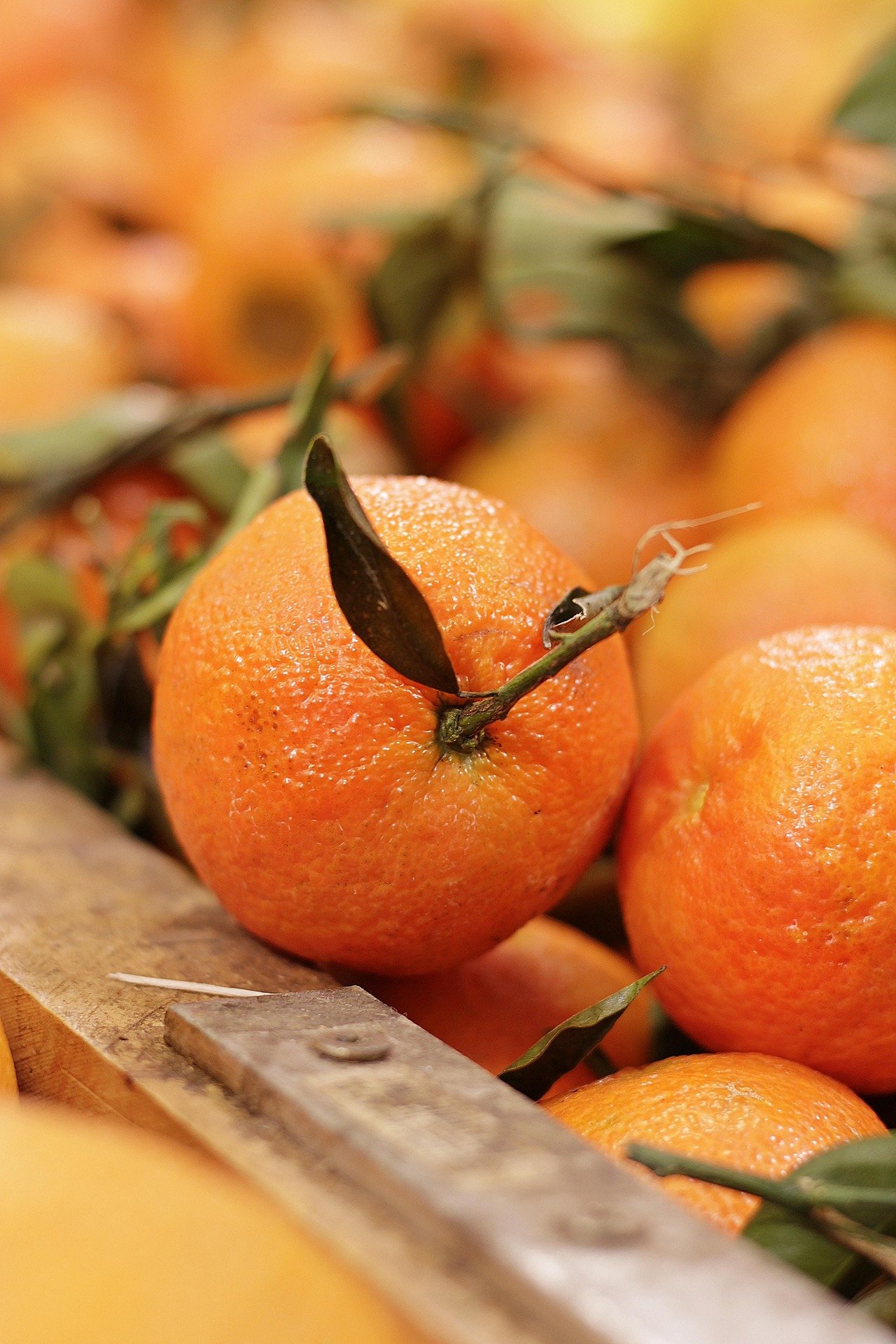
Citrus fruits
Oranges, apples, apricots, grapes (raisins), bananas, pomegranates, lemons, figs, citrons